
Can a House Settle Years After It Was Built?
Foundation movement isn't limited to new homes. Learn why a house can begin settling years later and which warning signs may point to a foundation problem.
It's easy to assume that once a house has been standing for a few decades, it's finished settling. While some minor settlement can happen shortly after construction, changes in the soil beneath a home can affect its foundation many years later.
For homeowners in Walled Lake and throughout Michigan, changing moisture levels, drainage problems, and seasonal weather can all affect the soil supporting a home. The important question isn't necessarily how old your house is. It's whether the foundation is still moving.
Can an Older House Suddenly Start Settling?
Yes. Foundation settlement is not limited to newly built homes. A house can remain stable for decades before changes in the soil beneath it begin affecting the foundation.
The ground supporting your home is made up of different layers of soil, including fill soil that may have been placed during construction. Over time, heavy rain, drought, freeze-thaw cycles, erosion, and changes in soil moisture can cause these layers to shift, compress, or lose their ability to evenly support the weight of the home.

This is why an older home can develop foundation settlement even if it has never shown problems before. When one area of soil can no longer provide the same support as the rest, part of the foundation may begin to sink. That movement can eventually show up above ground as stair-step cracks in brick, cracks around windows and doors, sticking doors, or uneven floors.
What Are the Signs of Foundation Settlement?
Foundation problems don't always begin with one dramatic crack. Homeowners often notice several smaller changes throughout the house. Watch for:
- Stair-step cracks in brick or block
- Cracks around doors and windows
- Doors or windows that begin sticking
- Uneven or sloping floors
- Gaps around window or door frames
- Cracks in basement or foundation walls
- A chimney or exterior wall pulling away from the house
An Older Walled Lake Home Showing New Signs of Settlement
A homeowner in Walled Lake had lived in their home for years without giving the foundation much thought. The house was well established, so when a small interior crack appeared, they initially assumed it was simply part of owning an older Michigan home.
Over time, they noticed the crack changing and a nearby door becoming harder to close. With Walled Lake's established neighborhoods and changing seasonal soil conditions, they wanted to make sure something more significant wasn't happening beneath the house. An inspection found signs that part of the foundation had settled and needed additional support.
Rather than waiting for the movement to continue, a foundation stabilization plan was designed to address the underlying problem and help protect the home for the future.
Does Foundation Settlement Stop on Its Own?
Not necessarily. If the soil beneath a foundation has lost its ability to provide adequate support, the problem may continue as weather and moisture conditions change. Cosmetic repairs such as patching drywall or filling cracks won't address movement happening beneath the home.
Professional foundation repair focuses on stabilizing the structure and addressing the source of the movement. Depending on the home and type of foundation problem, solutions may include foundation piers, wall stabilization systems, or additional structural support.

How Are Foundation Problems Repaired?
Foundation repair isn't one-size-fits-all. The right solution depends on what part of the home is moving, the condition of the foundation, and what's causing the problem.
At Ayers, foundation repair solutions may include:
- Foundation Piers: Used to stabilize settling foundations by transferring the weight of the home to stronger, load-bearing soil or strata below. In some cases, the foundation may also be lifted toward its original position.
- Wall Braces: Steel supports designed to stabilize bowing or leaning basement walls and counteract pressure from the surrounding soil.
- Wall Anchors: Installed to stabilize foundation walls by anchoring them to hard-packed soil beyond the foundation.
- SmartJack® Support Jacks: Adjustable steel supports used to stabilize sagging floors and provide additional support beneath the home's floor system.
- EverBrace® Wall Restoration System: Used for severely damaged or failing foundation walls that require greater reinforcement.
- Shotcrete: High-strength concrete applied to deteriorating or significantly damaged foundation walls to create a strong, durable new surface.
The key is identifying what is moving and why before choosing a repair. A settling foundation requires a different approach than a bowing basement wall or sagging floor, which is why a professional evaluation is an important first step. Ayers designs foundation repair plans around the specific conditions of each home rather than relying on a single solution.
Don't Assume Your House Is "Done Settling"
A home can experience foundation settlement long after it was built. The soil supporting your house continues to respond to water, weather, drainage, and environmental changes throughout the life of the structure.
If you've noticed new cracks, uneven floors, sticking doors, or other changes around your home, don't simply assume they're happening because the house is getting older.
Ayers helps homeowners in Walled Lake and throughout Michigan and Northern Indiana identify foundation problems and develop long-term repair solutions. Get a free estimate to learn what's happening beneath your home and whether foundation stabilization is needed.
-
Where Should Your Downspouts Drain? How to Keep Water Away From Your Foundation
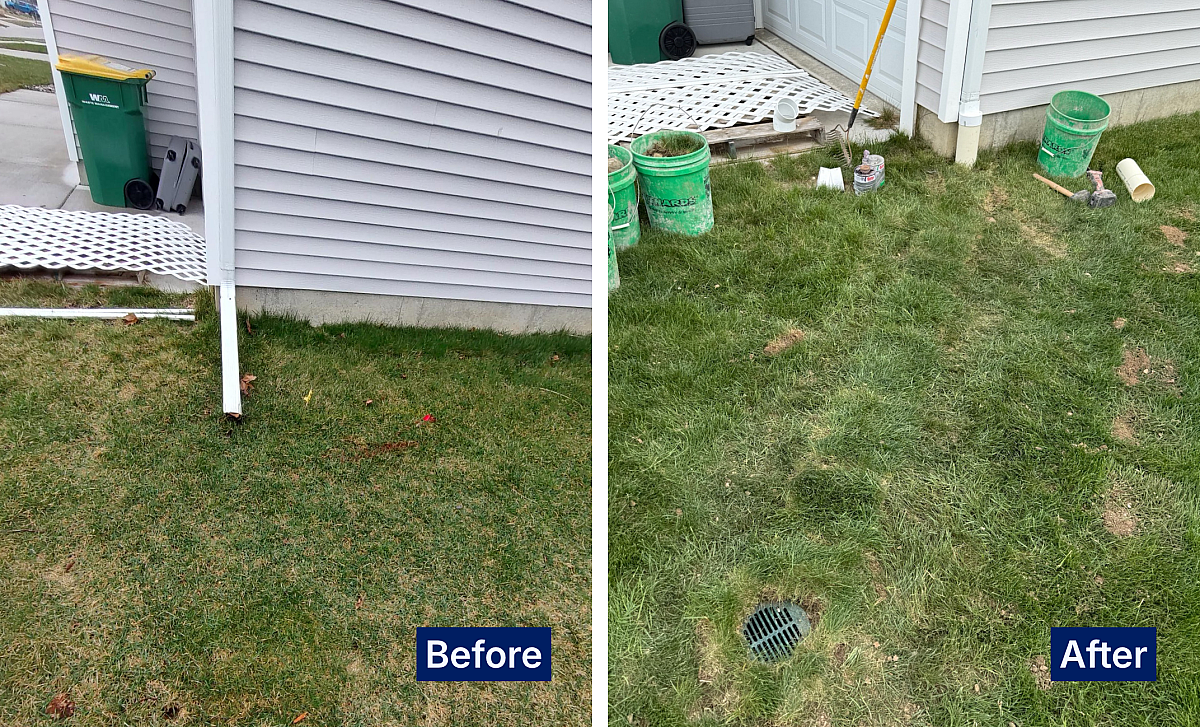
Where Should Your Downspouts Drain? How to Keep Water Away From Your Foundation
Where your downspouts drain matters. Learn how proper gutter drainage can help prevent pooling water and protect the soil around your foundation.…
-
Cracks, Sticking Doors & Uneven Floors: Signs Your Foundation May Be Moving
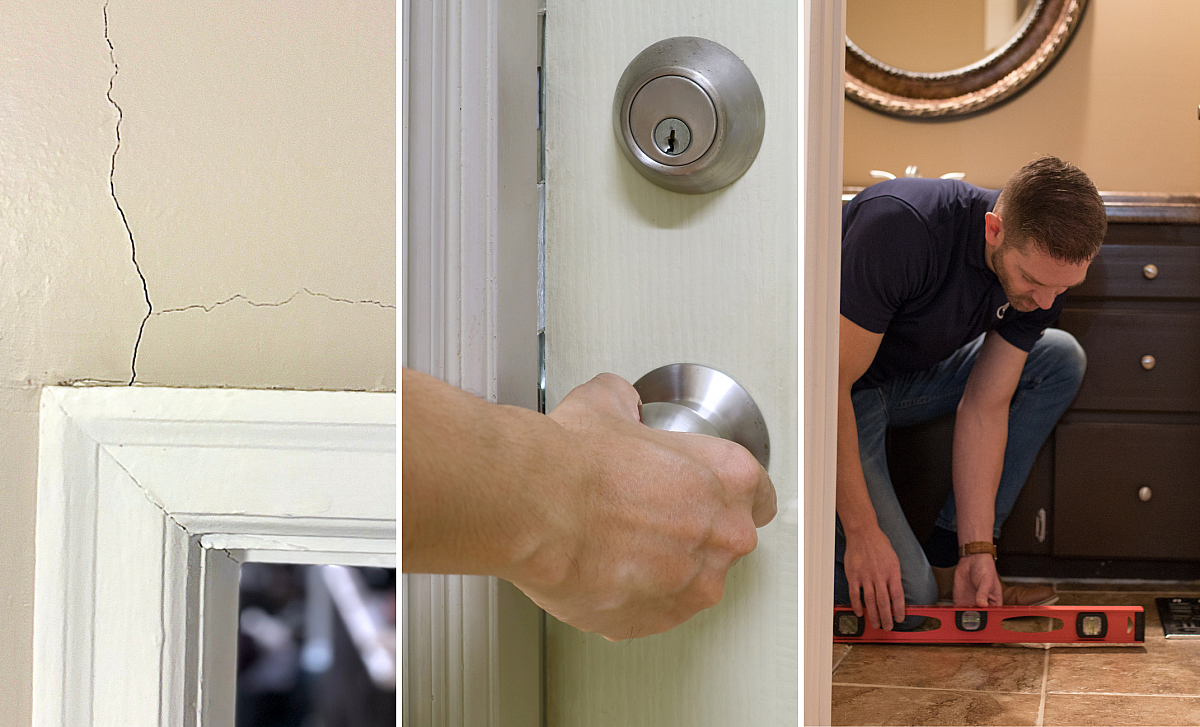
Cracks, Sticking Doors & Uneven Floors: Signs Your Foundation May Be Moving
Cracks, sticking doors, and uneven floors could point to foundation movement. Learn the warning signs and when to consider foundation repair.…
-
How to Repair Poured Concrete Foundation Walls
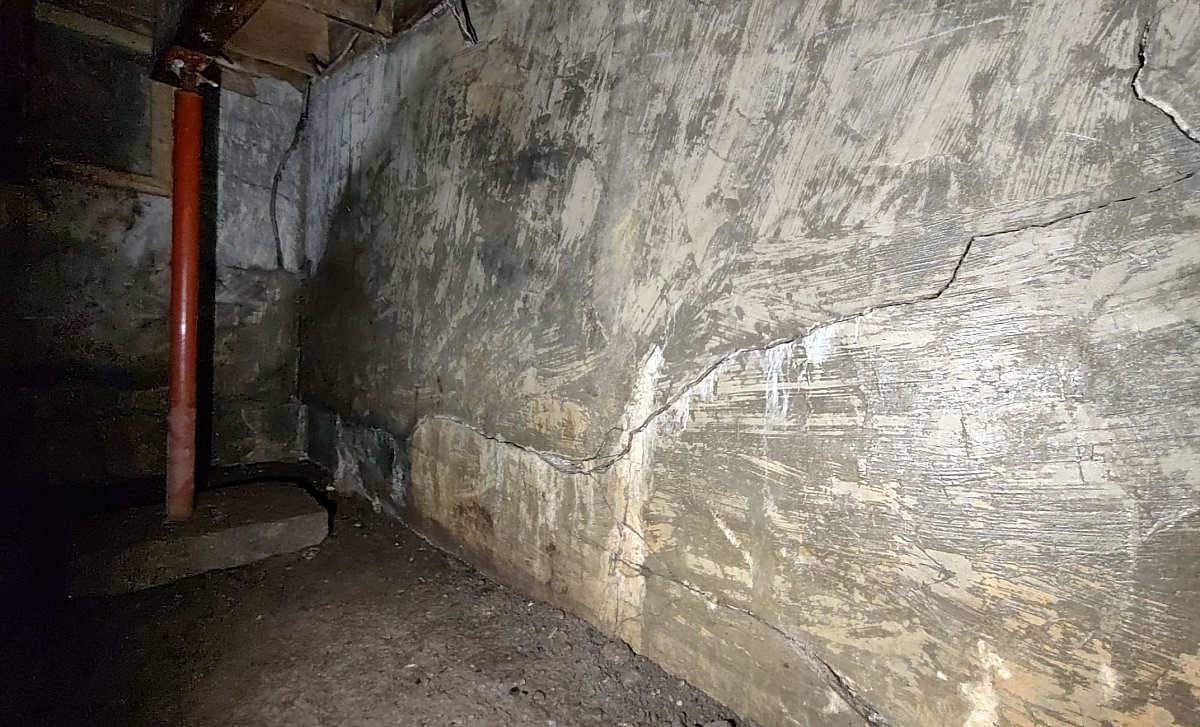
How to Repair Poured Concrete Foundation Walls
Learn how Ayers designs custom repair plans to stabilize cracked, settling, and shifting poured concrete foundations across Michigan and Northern Indiana.…


