
Cracks, Sticking Doors & Uneven Floors: Signs Your Foundation May Be Moving
Cracks, sticking doors, and uneven floors could point to foundation movement. Learn the warning signs and when to consider foundation repair.
A sticking door might seem like a minor annoyance. A crack above a window may not look particularly concerning. An uneven floor can even be easy to overlook in an older home. On their own, these problems don't always mean you have foundation damage. When several begin appearing together or continue getting worse, however, they can be signs that part of your home is moving or losing support.
For homeowners in Livonia and throughout Michigan, knowing what to look for can help you identify a potential foundation problem before it becomes more difficult to repair.
Is My House Settling?
All homes experience some degree of movement over time. The more important question is whether that movement is affecting the home's structure. Foundation settlement occurs when the soil beneath part of a foundation can no longer adequately support the weight above it. As the foundation moves downward, the rest of the house may begin reacting to that movement.
That's why foundation problems don't always first appear in the basement. You may notice changes around doors, windows, walls, and floors throughout the home.
5 Signs Your Foundation May Be Moving
1. Cracks Around Doors and Windows
Diagonal cracks extending from the corners of doors and windows can sometimes develop as sections of a home shift. Pay particular attention to cracks that are getting longer or wider or appear alongside other changes in the home.
2. Doors and Windows That Stick
A door that suddenly becomes difficult to open or close may have more going on than a swollen doorframe. Foundation movement can cause openings in the home to shift slightly out of square. This may cause doors to rub against their frames or windows to become harder to operate.
One sticking door doesn't automatically mean foundation trouble. Several sticking doors combined with cracks or uneven floors deserve a closer look.
3. Uneven or Sloping Floors
Floors that slope, sag, or feel uneven underfoot can indicate a support problem beneath the home. The cause matters here. In some homes, the foundation itself may be settling. In others, weakened beams, floor joists, or inadequate supports beneath the floor system may be responsible.
A professional evaluation can determine where the movement is coming from and what type of repair is appropriate.
4. Gaps Around Walls, Trim, Doors, or Windows
As portions of a home move, gaps can begin appearing where different building materials meet. You might notice separation between a wall and ceiling, gaps around window or door frames, or trim beginning to pull away from the wall. Changes that develop or become more noticeable over time are particularly important to watch.
5. Cracks in Foundation Walls
Cracks in concrete or block foundation walls can have several causes, and their shape can provide clues about what's happening. For example, stair-step cracking along mortar joints can be associated with foundation movement, while horizontal cracking or inward bowing may point to pressure against a basement wall.

Why Do Foundations Settle in Michigan?
The foundation may be made of concrete or block, but it depends on the soil beneath it for support. Changes in that soil can lead to settlement.
Common contributing factors include:
- Poorly compacted fill soil: Soil disturbed during construction can compress over time.
- Heavy rain and drainage problems: Water can soften or erode soil surrounding and beneath a foundation.
- Dry conditions: Some soils shrink as they lose moisture, potentially creating space beneath the foundation.
- Seasonal changes: Michigan homes experience changing moisture levels along with freezing and thawing conditions throughout the year.
The result isn't always uniform. One section of a foundation can move more than another, which is why homeowners may first notice a crack, sticking door, or sloping floor in only one part of the house.
Stabilizing a Bowing Basement Wall in Livonia, MI
A Livonia homeowner near Rotary Park began noticing horizontal cracks and a slight inward bow along one of their basement walls. The changes had developed gradually, but as the wall continued to move, they wanted to address the problem before it could affect more of the home. After evaluating the foundation, our specialist recommended installing wall braces to stabilize the bowing basement wall and help prevent further inward movement.
Our crew installed the wall brace system along the affected foundation wall, providing permanent support without requiring major excavation around the home. With the basement wall stabilized, the homeowner could feel more confident knowing the foundation was protected with a solution designed for long-term support. For homeowners throughout Livonia, MI, signs like bowing basement walls, horizontal cracks, or walls leaning inward are worth having evaluated before the movement progresses.

How Is Foundation Settlement Repaired?
There isn't one foundation repair system that's right for every home. If a foundation is settling, foundation piers may be installed beneath the home and extended to stable, load-bearing soil or strata. The system transfers the weight of the structure away from unstable soil to provide long-term stabilization.
If the problem involves sagging floors or inadequate support beneath the floor system, SmartJack® supports may be used to stabilize beams and floor joists. Bowing or damaged basement walls require different solutions, such as wall braces, wall anchors, or other foundation wall repair systems.
This is why the first step in foundation repair should be identifying what is moving and why.
Foundation Settlement
Frequently Asked Questions
-
Possible signs include diagonal or stair-step cracks, sticking doors and windows, uneven floors, gaps around openings, and visible foundation movement. One symptom doesn't necessarily confirm foundation settlement, so consider whether multiple changes are occurring or getting worse.
-
They can be. Foundation movement may cause doorframes to shift out of square, making doors difficult to open or close. Humidity and other issues can also cause doors to stick, so look for accompanying symptoms such as cracks, gaps, or uneven floors.
-
If a floor is noticeably sloping, sagging, changing over time, or accompanied by other signs of structural movement, it's worth having the support system evaluated. The problem could involve foundation settlement, floor joists, beams, or inadequate supports beneath the floor.
-
Foundation movement can continue if the underlying soil or structural problem remains unresolved. How quickly it progresses depends on the home, soil conditions, drainage, and other factors, which is why identifying the cause is important.
Don't Ignore Changes Around Your Home
Your home doesn't need a dramatic foundation crack to show that something may be changing underneath it. A sticking door, uneven floor, or new gap may be one piece of a larger structural problem.
If you're noticing signs of foundation movement in Livonia or elsewhere in Michigan or Northern Indiana, get a free estimate from Ayers Basement Systems. A System Design Specialist can evaluate your home, identify the source of the problem, and recommend a foundation repair plan designed for the structure.
-
How to Repair Poured Concrete Foundation Walls
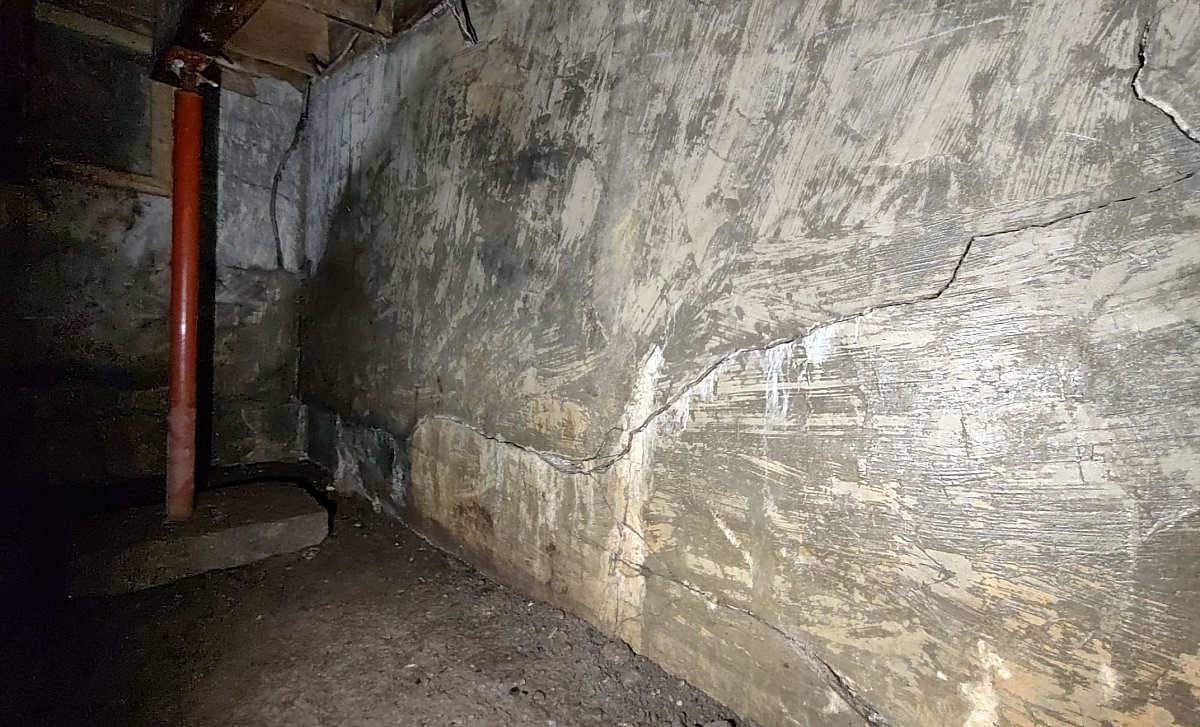
How to Repair Poured Concrete Foundation Walls
Learn how Ayers designs custom repair plans to stabilize cracked, settling, and shifting poured concrete foundations across Michigan and Northern Indiana.…
-
Foundation Cracks That Shouldn't Be Ignored
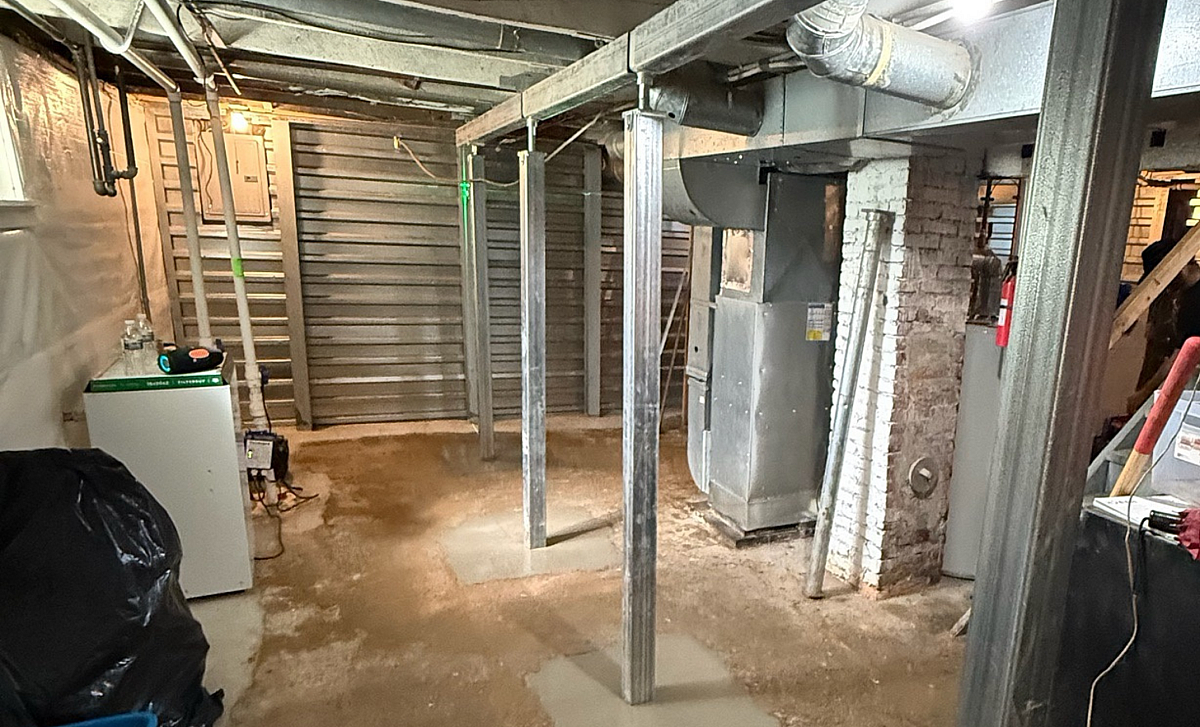
Foundation Cracks That Shouldn't Be Ignored
Learn which foundation cracks are harmless, which ones may signal structural movement, and when it's time to schedule a professional inspection.…
-
When Should You Call a Foundation Repair Expert?
When Should You Call a Foundation Repair Expert?
Foundation issues can be easy to ignore and often something homeowners hope will simply go away on its own.


