Wall Brace

Foundation Wall Stabilization
Reinforce Bowing Walls from the Inside
Bowing, buckling, or cracking foundation walls are often caused by ongoing pressure from surrounding soil and moisture. Left unaddressed, this movement can worsen over time and threaten the stability of your home. Wall brace systems provide a proven solution by reinforcing weakened foundation walls from the inside, stopping further movement and restoring structural support. Using heavy-duty steel braces or panels anchored to the floor and framing above, Ayers Basement Systems stabilizes failing walls with minimal disruption, offering a strong, long-term alternative to full foundation replacement.
Get a free estimate today!
Experiencing wall failure?
Common Signs
There are a few signs that tell you your basement walls need some additional support, which include:
- Foundation walls bowing or curving inward
- Horizontal cracks spreading across foundation walls
- Buckling or bulging foundation walls
- Sections of the wall appearing swollen or out of alignment
- Sections of the wall appearing swollen or out of alignment
- Damp spots or water intrusion along wall cracks
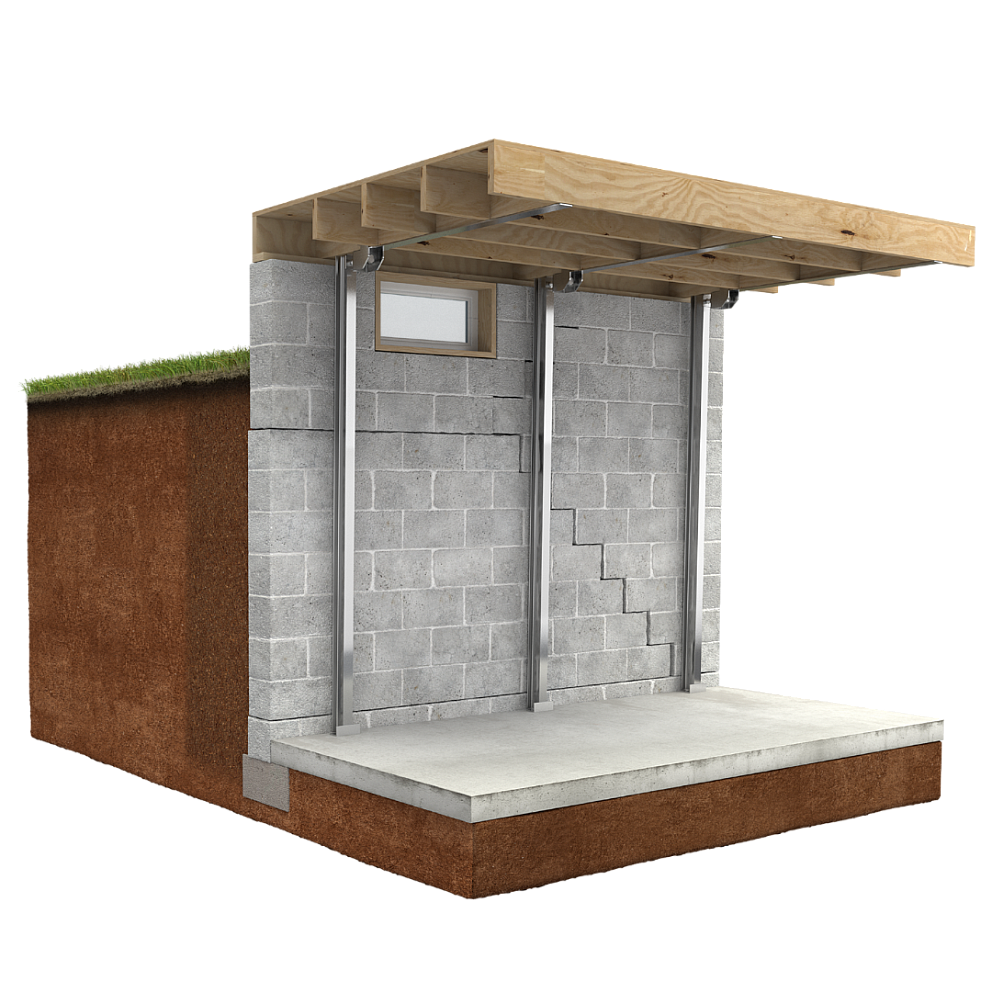
What is PowerBrace™?
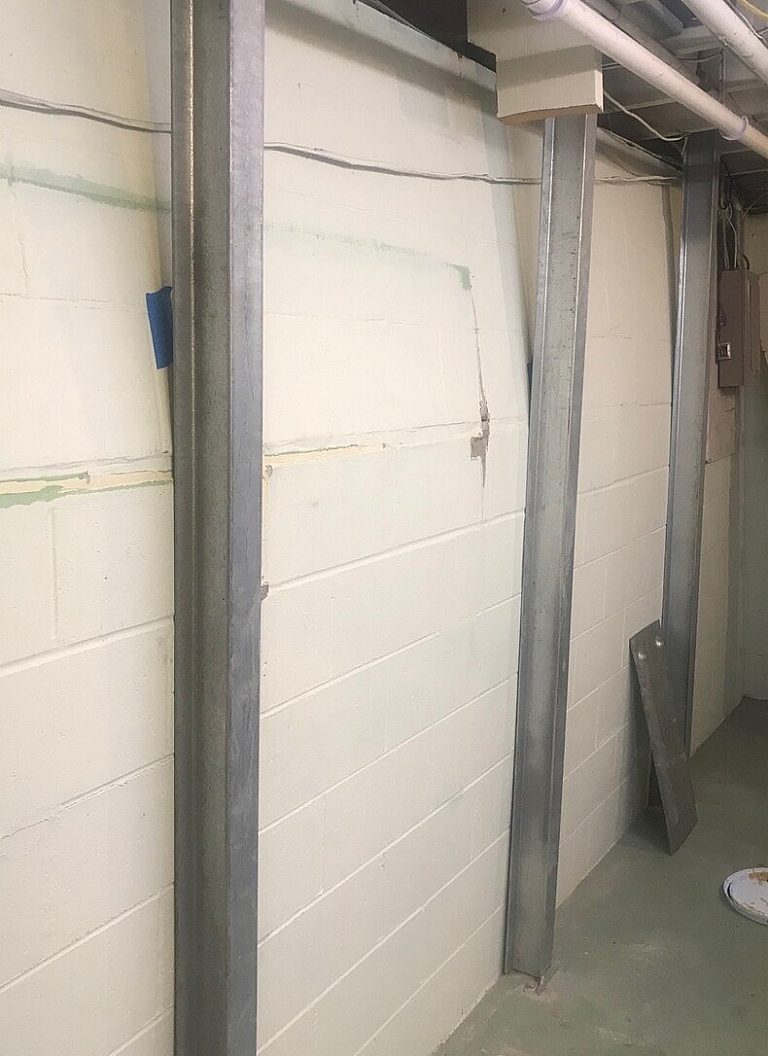
PowerBrace™ is a foundation wall repair system that stabilizes bowing, buckling, or inward-leaning walls. Custom-fit steel I-beams are installed inside the basement and secured to the floor above and below to provide strong vertical support.
Once installed, PowerBrace™ stops further wall movement and can be adjusted over time to help straighten the wall. Because it installs from the inside, no exterior excavation is required and disruption is minimal.
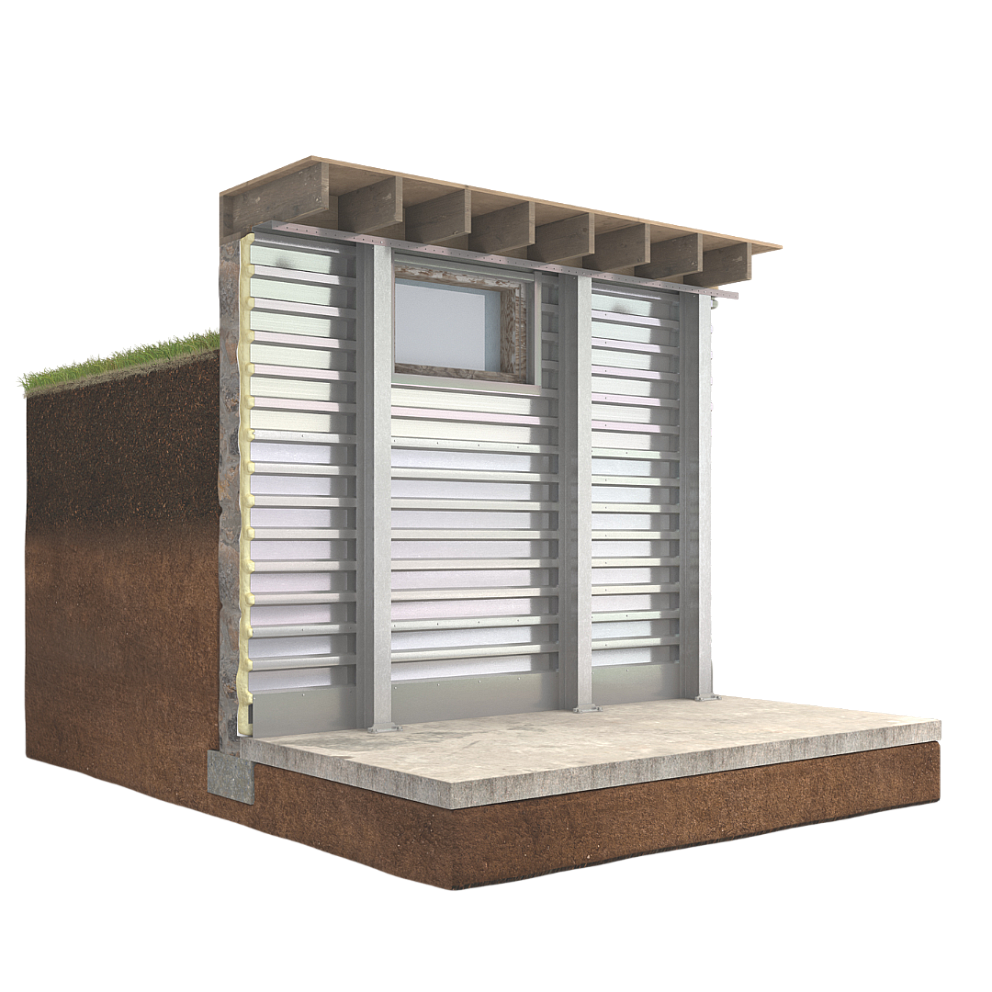
What is EverBrace™?
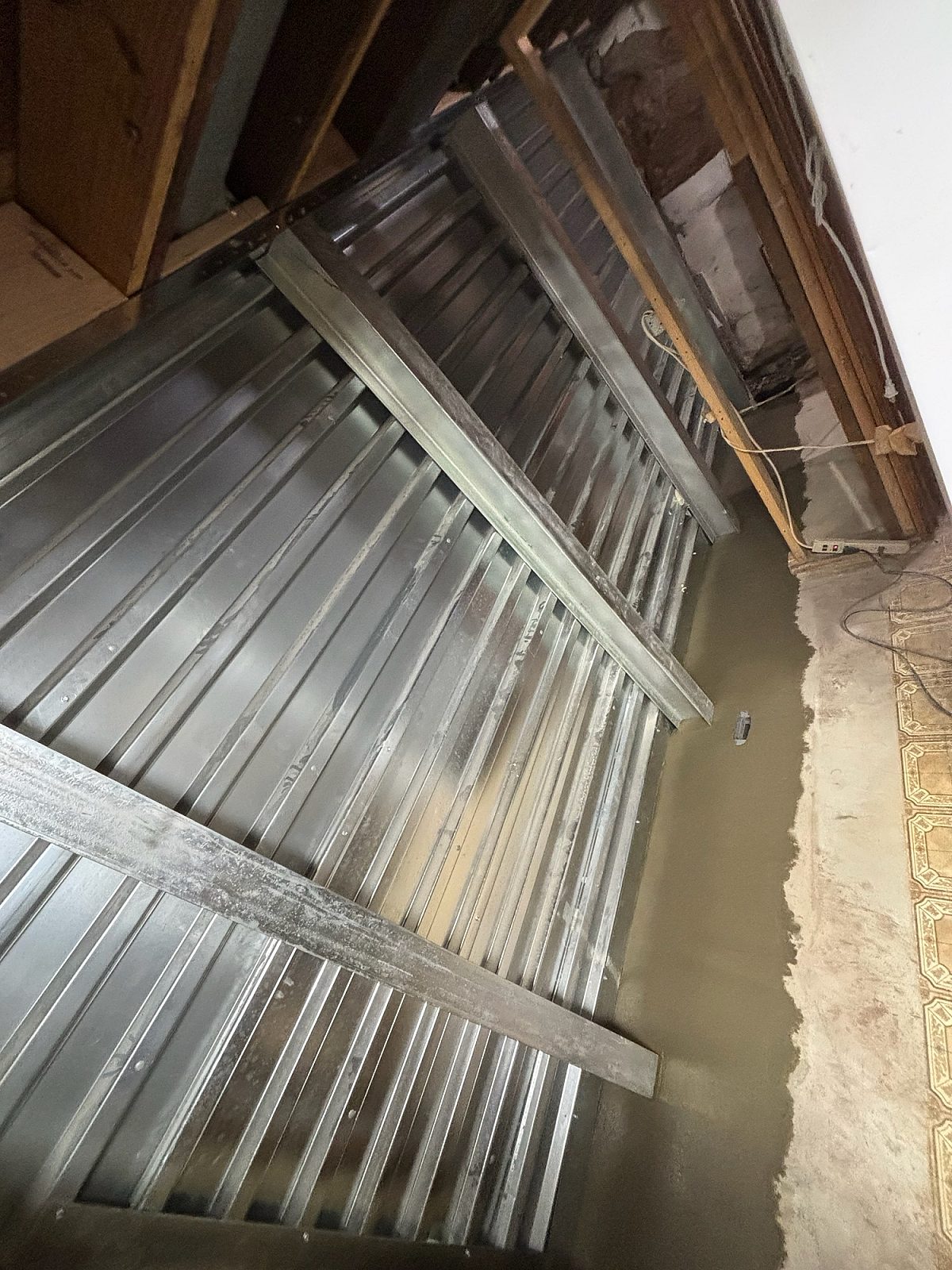
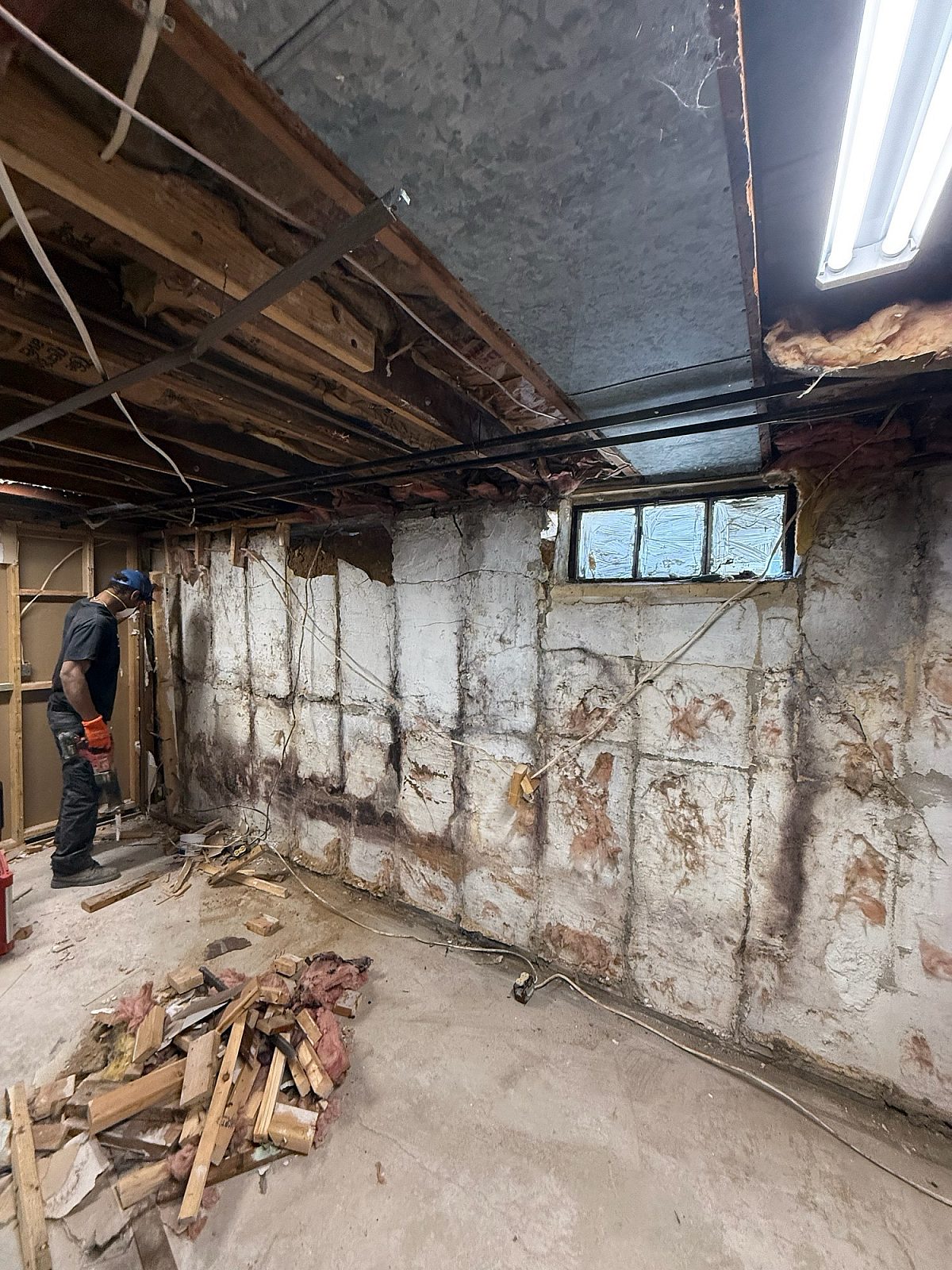
EverBrace™ is a wall restoration system designed for severe foundation wall failure, including walls that have bowed, buckled, or cracked. It creates a new steel support structure that transfers the load away from the damaged wall.
Steel beams and panels are installed along the wall and secured with rigid foam to fill voids and lock the system in place. EverBrace™ becomes the new structural support, stabilizing even extreme wall damage without full foundation replacement.
The Strength of Wall Braces
Before & Afters
-
After
 Before
 Before
After
Before
After
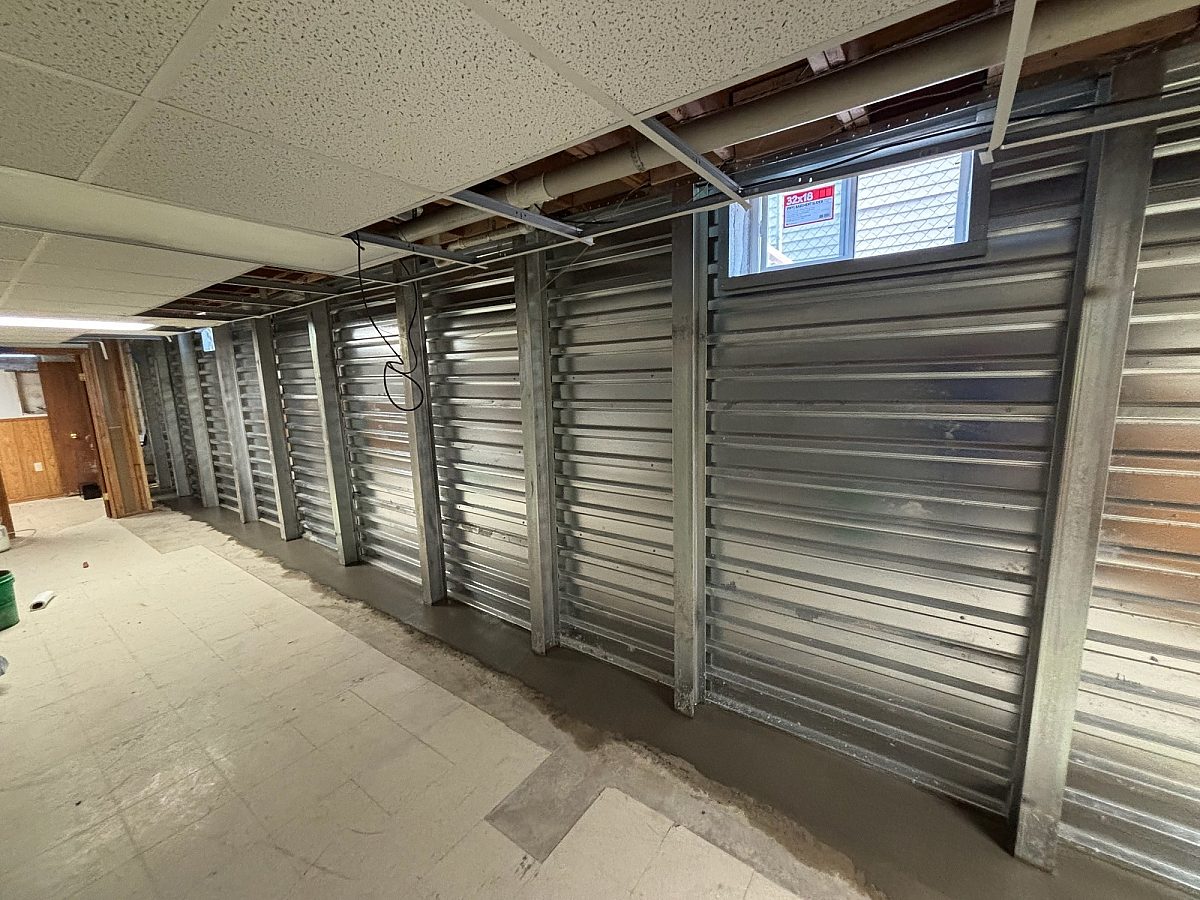
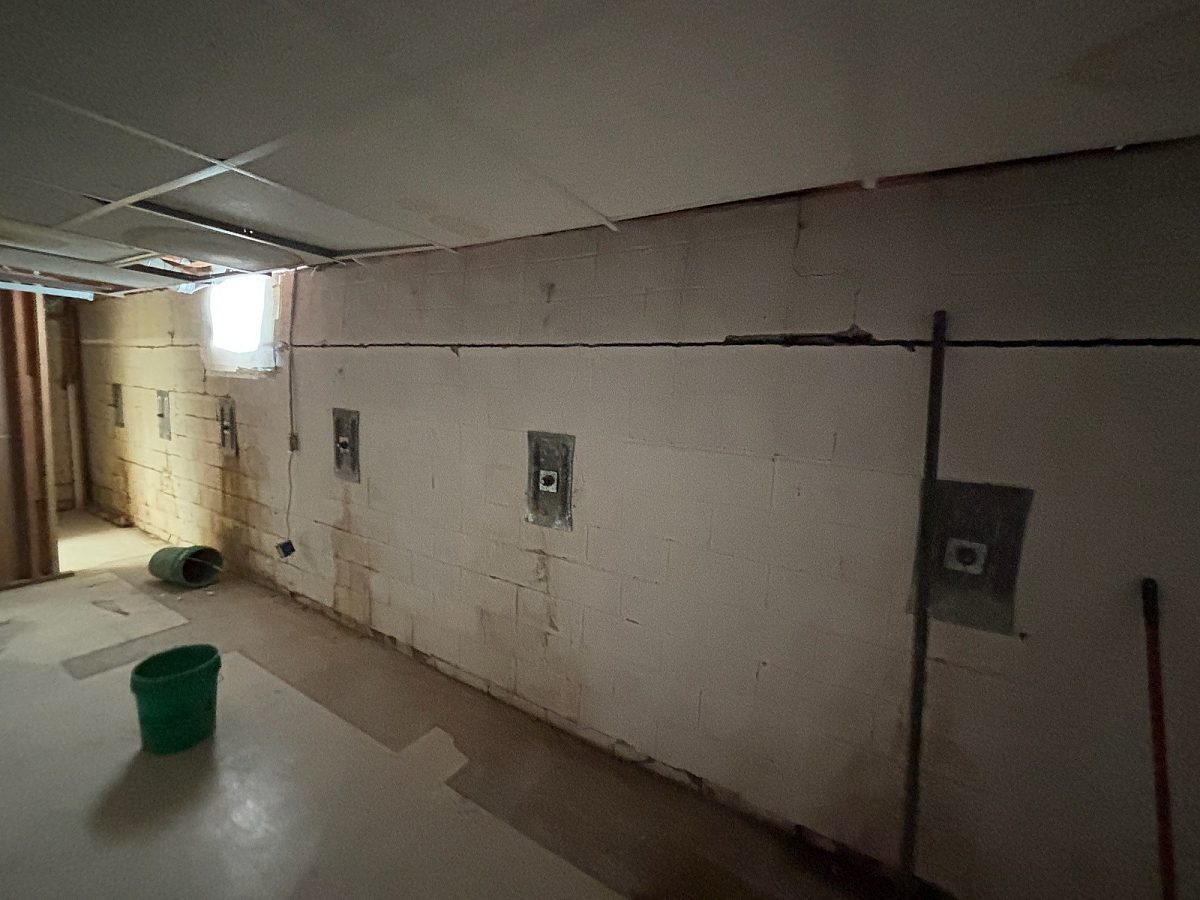
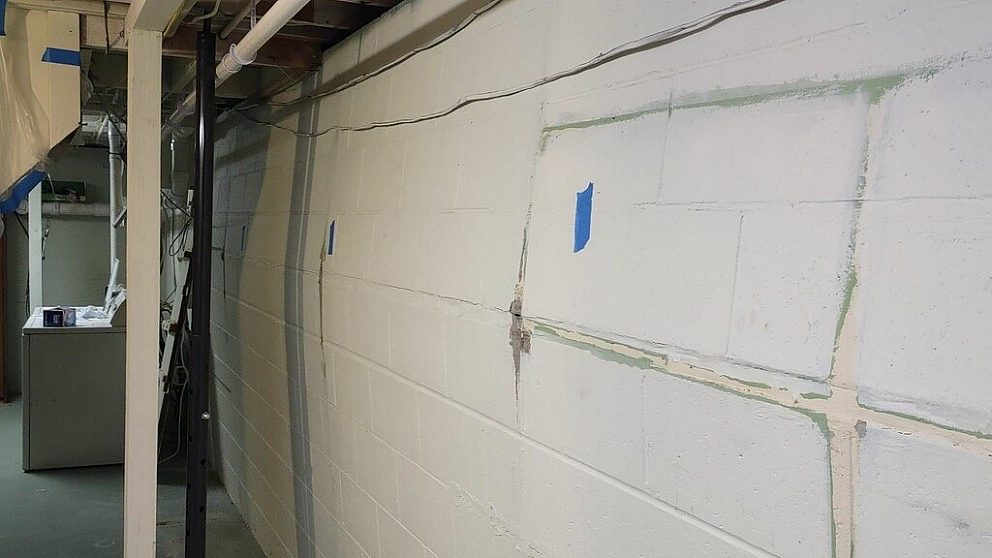
EverBrace Wall Stabilization Fixes Bowing Foundation Wall in Sterling Heights, MI
-
After
 Before
 Before
After
Before
After
Bowing Wall to Fully Supported
-
After
 Before
 Before
After
Before
After
EverBrace System Stabilizes Failing Foundation Walls in Historic Wyoming, MI Home


Common Questions
Frequently Asked Questions
-
Before installation, each basement wall is carefully measured so the steel beams can be custom cut for a precise fit. The top of each brace is secured near the floor joists, while the bottom is anchored to the basement floor, allowing the beam to span the full height of the wall. Once in place, the system can be adjusted to apply steady pressure against the wall, helping stabilize it and improve vertical alignment. This process restores strength to the foundation and prevents further inward movement.
-
A proper repair for a bowing basement wall addresses the underlying cause and provides a permanent solution. Depending on the type and direction of pressure affecting your foundation, repairs may include wall anchors, wall braces, or carbon fiber straps for lateral pressure, or piers for vertical movement. Because every home and soil condition is different, the right solution is determined by the severity of the bowing and how your foundation was built—sometimes using a combination of these systems for the best long-term result.
-
If you’re concerned about a leaning or bowing foundation wall, it’s important to have it evaluated as soon as possible. Failing foundation walls can worsen over time and put added stress on your home’s structure.
In many cases, repairing a leaning wall can be straightforward. Our PowerBrace™ wall repair system stabilizes tilting, bowing, or buckling basement walls using steel I-beams secured to the floor joists above. This system provides strong, permanent support to stop further movement and help protect your home for the long term.
-
If your wall is bowing, it’s important to address the issue before it gets worse. Bowing walls are often caused by pressure from soil and moisture outside the foundation, and without repair, the movement can continue and lead to more serious structural damage.
The right solution depends on how severe the bowing is and what’s causing it. Options may include wall anchors, wall braces, carbon fiber reinforcement, or in more severe cases, wall restoration systems. A professional inspection can determine the best way to stabilize the wall, stop further movement, and protect your home long term.