Foundation Piers

Foundation Piering Solutions
Permanent Support for Settling Foundations
When a foundation begins to settle, it can affect every part of your home, from uneven floors to cracks that continue to worsen over time. These issues aren’t just cosmetic; they can threaten the safety, value, and comfort of the place you rely on most. At Ayers Basement Systems, our foundation piering solutions are designed to permanently stabilize your home by transferring its weight to solid, stable soil. With a system tailored to your home and conditions, you can feel confident your foundation is supported for the long term.
Get a free estimate today!
Do you need some foundation help?
Common Signs
There are a few signs that tell you your home's foundation needs some additional support, which include:
- Horizontal or vertical foundation cracks
- Stair-step cracks in the basement
- Jamming doors & windows
- Inward leaning at the top of the wall
- Cracking/sinking slab floors
- Tilting chimneys
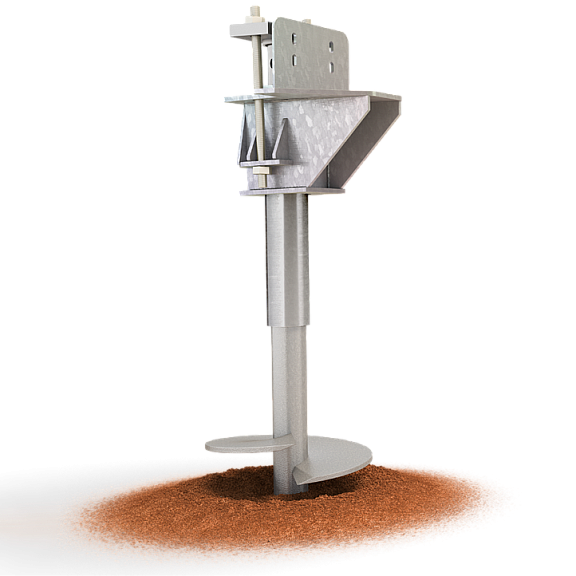
What are Helical Piers?
Helical plates welded to the pier shaft help pull the pier into the soil during installation and offer anchoring strength as the weight of the foundation is transferred to the pier. Additional sections can be added to the pier to reach the required depth. Helical piers are incredibly versatile, effectively restoring and stabilizing foundations and other masonry structures.
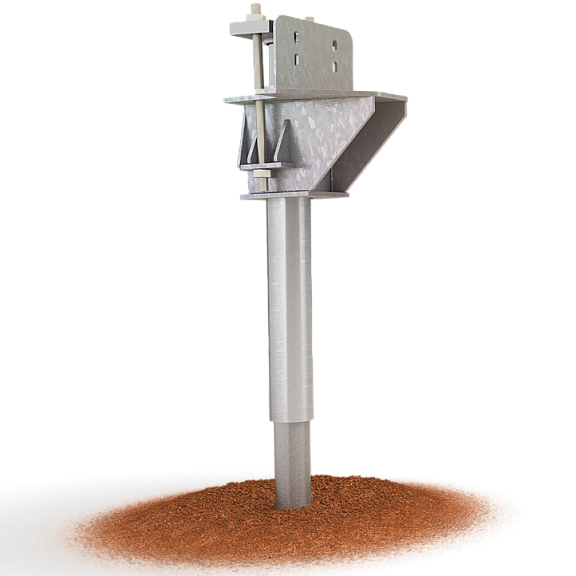
What are Push Piers?
Equipped with a patent-pending external sleeve, push piers are strengthened at the critical tension point underneath the bracket. Push piers are attached with a heavy-duty steel bracket and are installed adjacent to a home's footings. This pier system is ideal when soil conditions are unknown, offering a long-lasting repair for your foundation settlement problems.
The Power Behind a Stable Foundation
Before & Afters
-
After
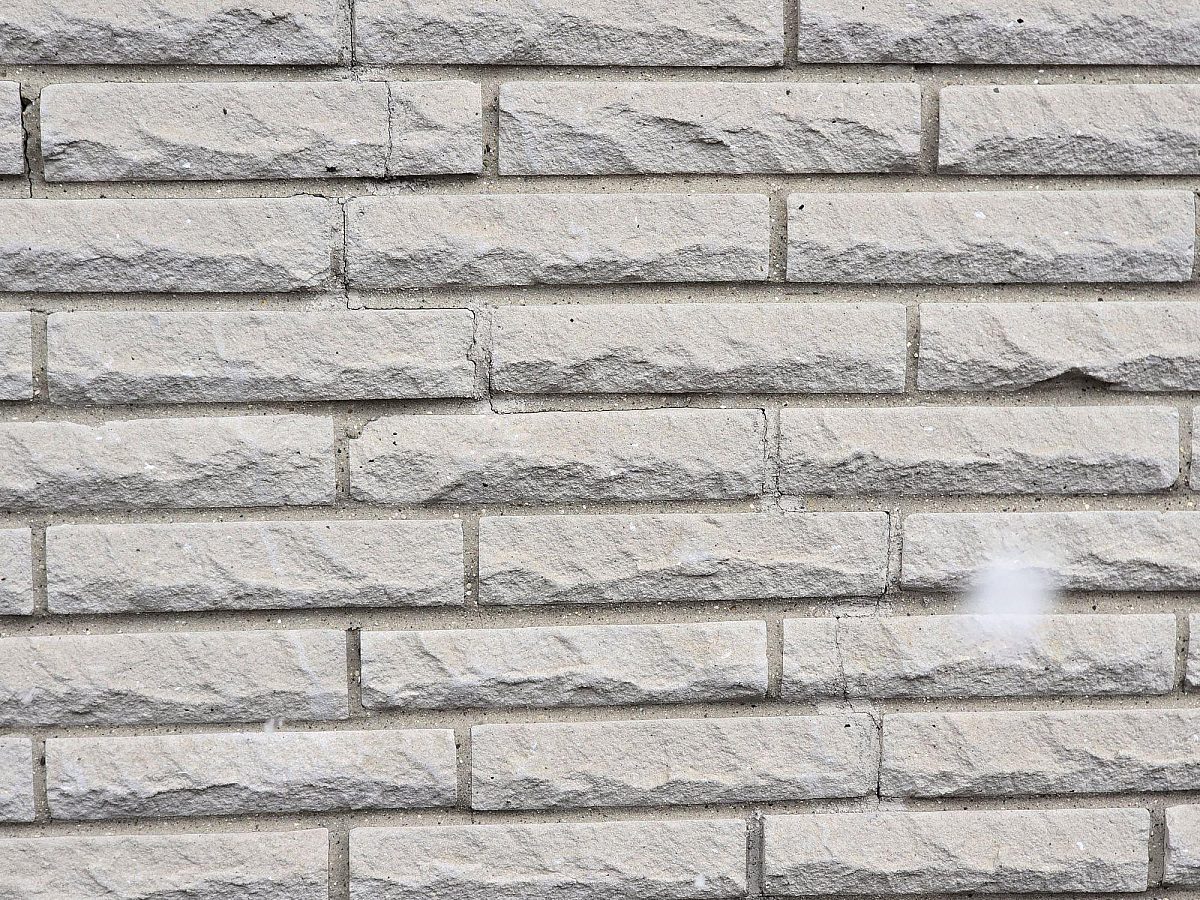 Before
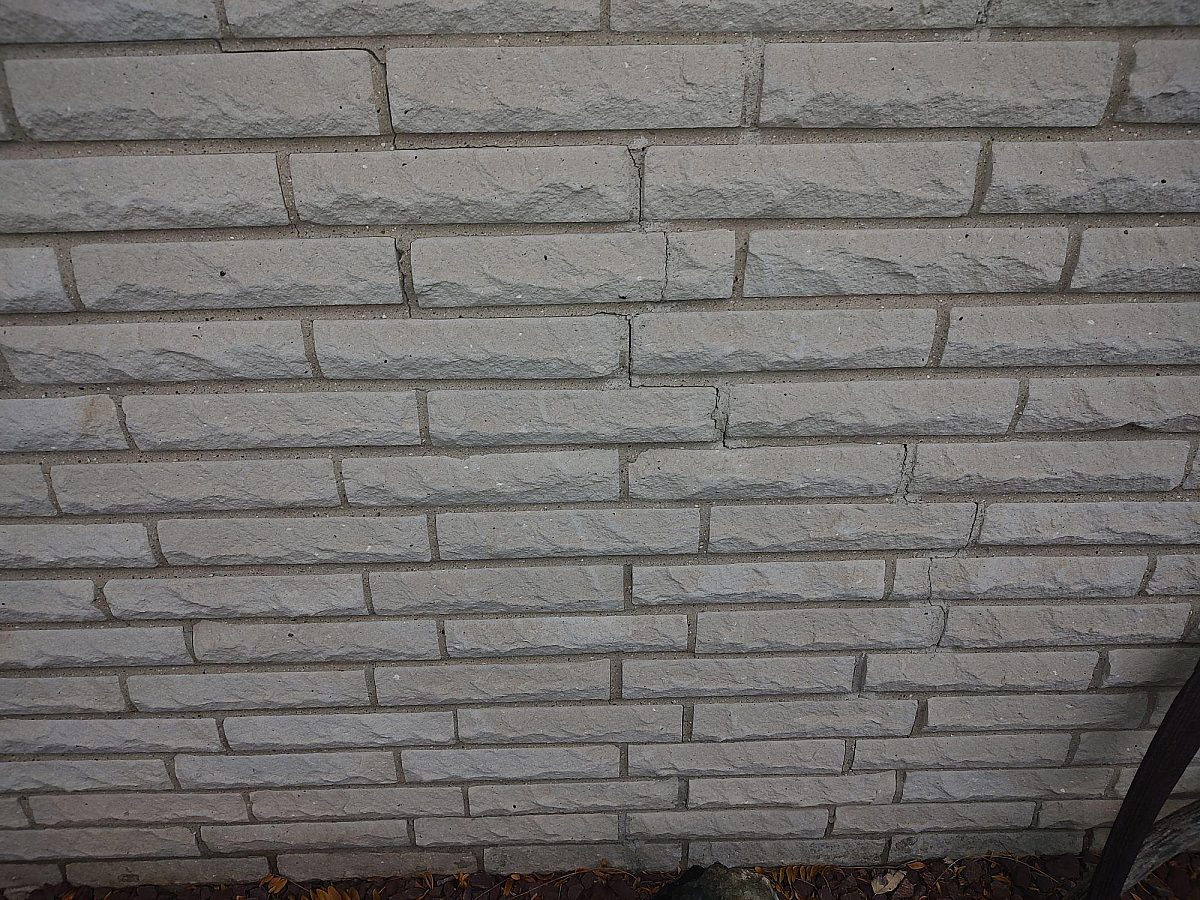 Before
After
Before
After
Garage Wall Stabilized with Helical Piers in Sterling Heights, MI
-
After
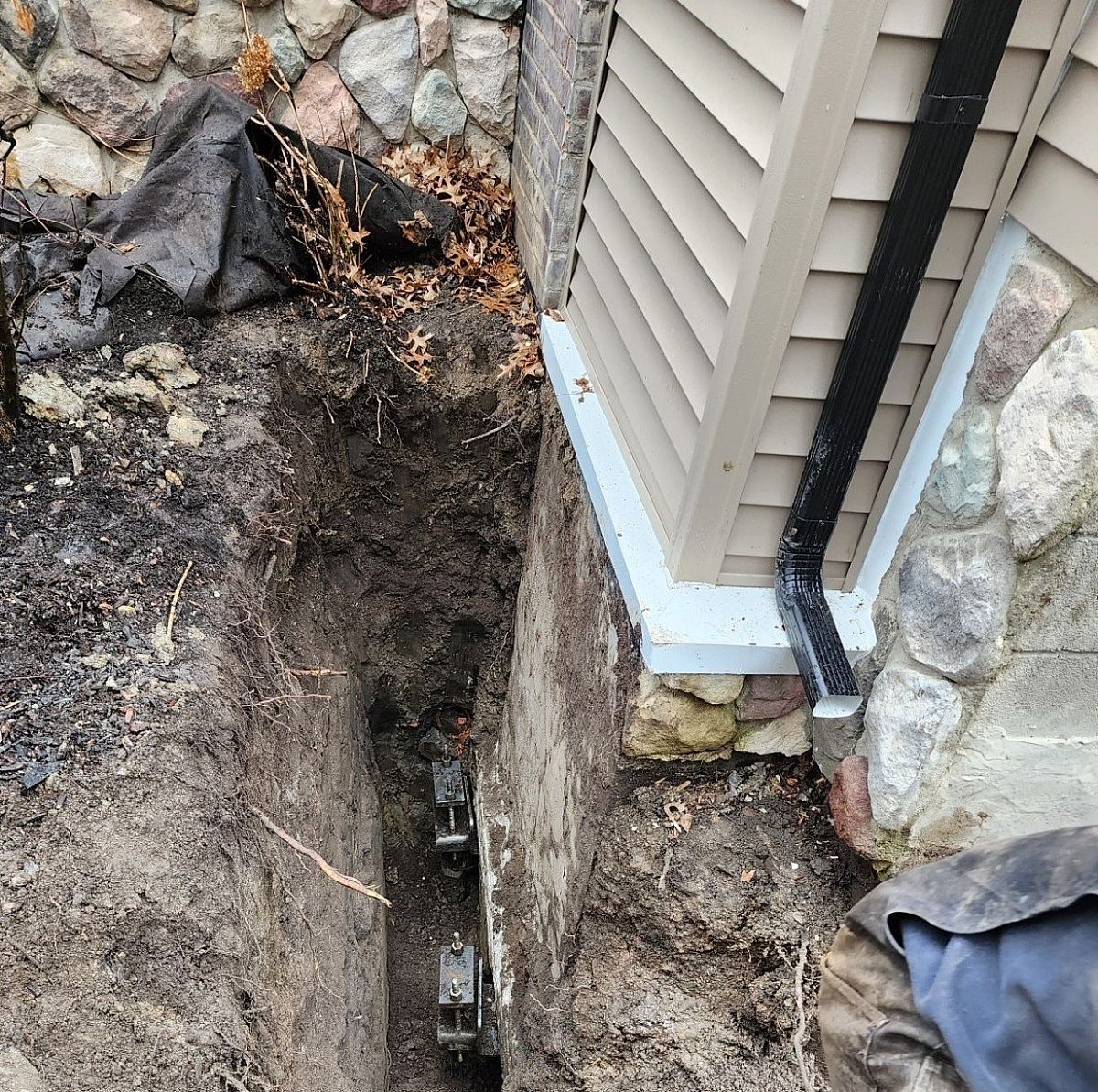 Before
 Before
After
Before
After
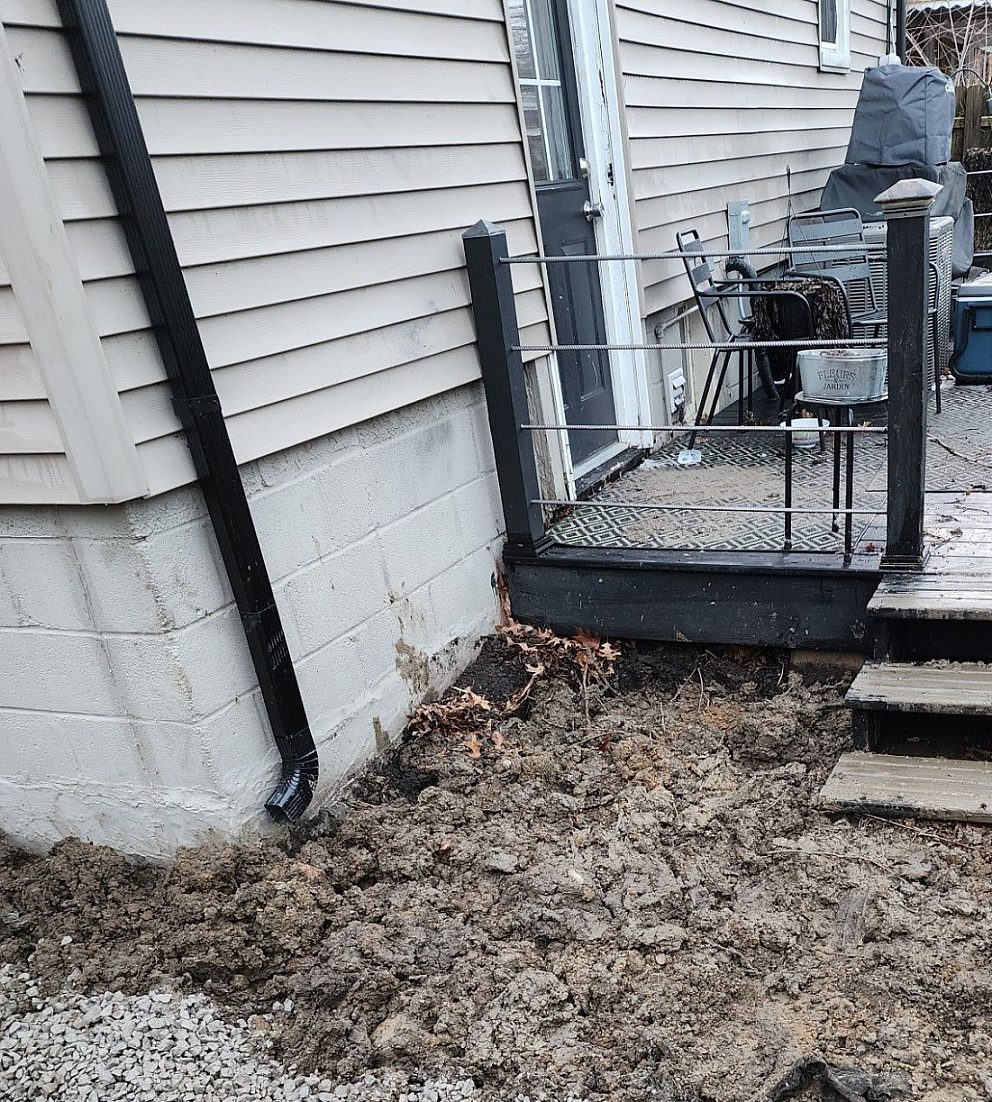
Helical Piers Help Stabilize Cracking Foundation of Home in St. Clair Shores, MI
-
After
 Before
 Before
After
Before
After
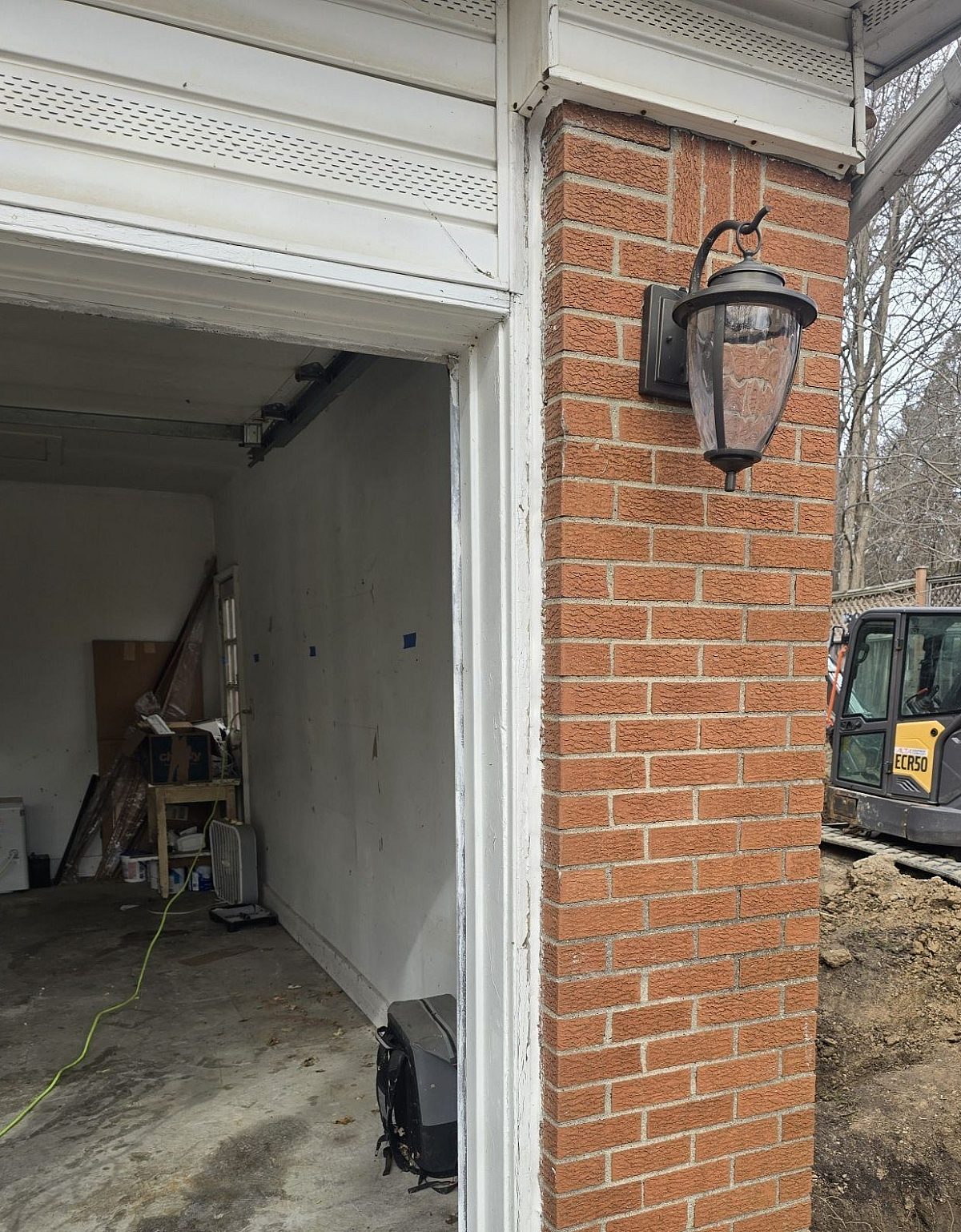
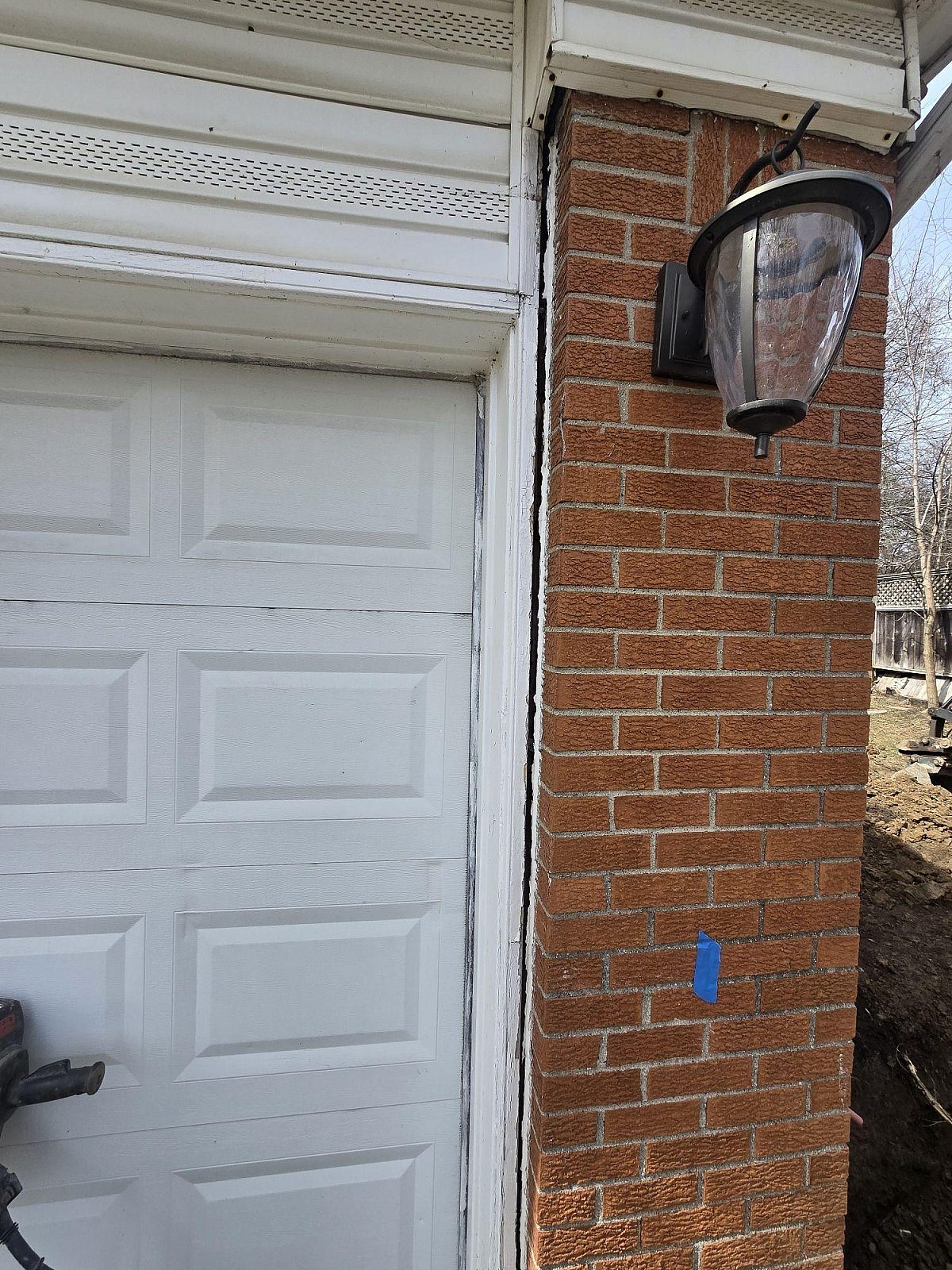
Garage Foundation Crack Repaired with Piering in Ann Arbor, MI
-
After
 Before
 Before
After
Before
After
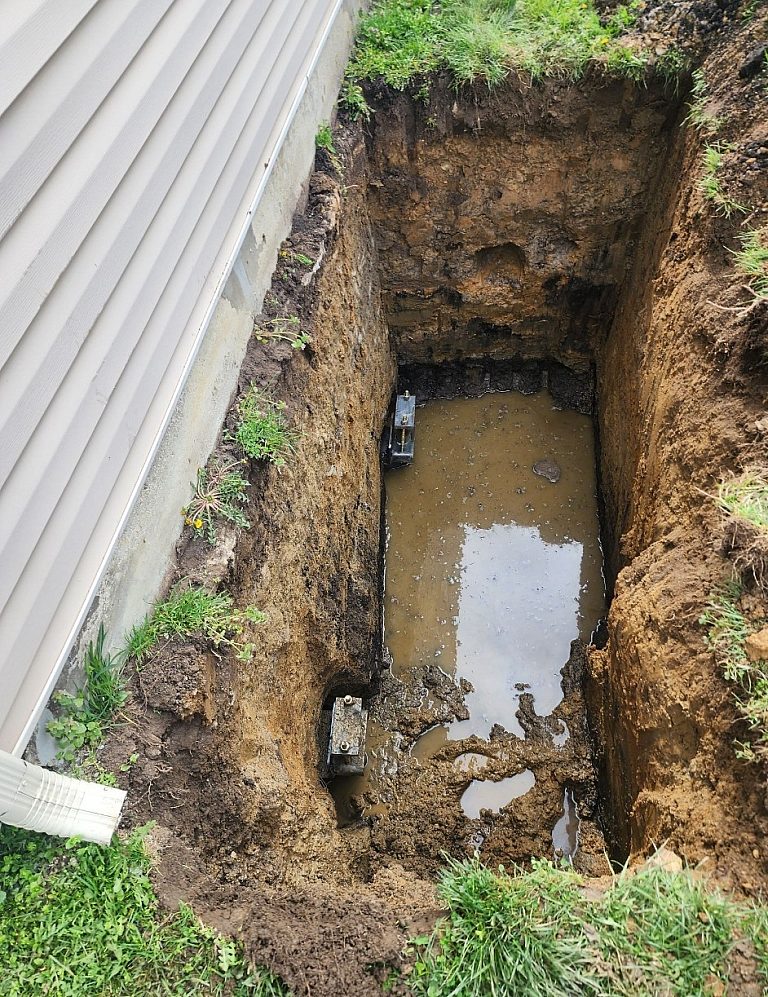
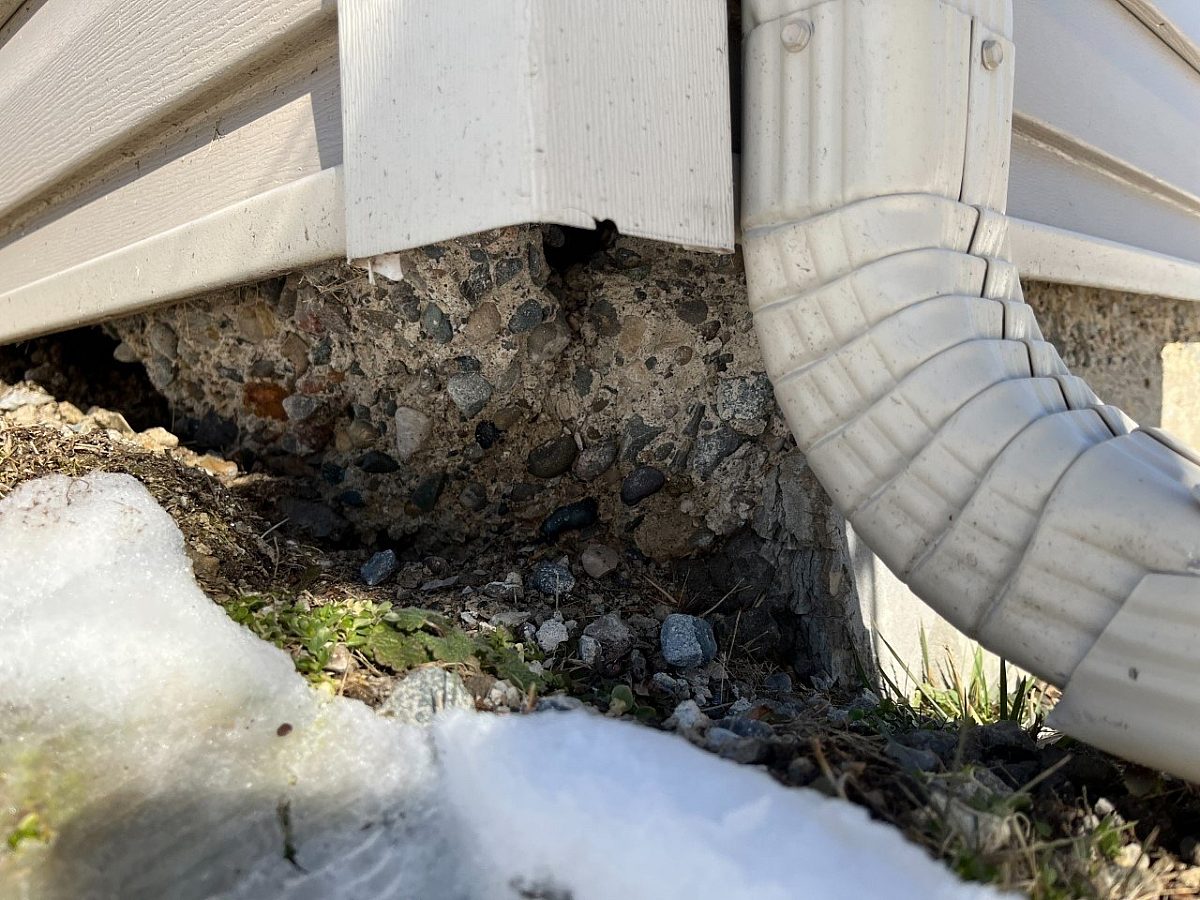
Foundation Piers Offer Support to a Problem Area for a Homeowner in Walled Lake, MI


Common Questions
Frequently Asked Questions
-
Push piers and helical piers both stabilize settling foundations, but they’re used in different situations: Push piers are driven deep into the ground using the weight of the home until they reach stable soil or bedrock. They’re typically used for heavier structures when soil conditions are uncertain. Helical piers are screwed into the ground using helical blades and work best for lighter structures, new construction, or areas with known soil conditions. During your inspection, a specialist will determine which pier system is best for your home based on soil, structure, and settlement issues.
-
The cost of installing foundation piers varies based on how many are needed to properly stabilize your home. Using high-quality materials and professional installation provides a long-term solution you can rely on. When compared to the cost of rebuilding a foundation or repairing damage caused by ongoing structural issues, foundation piering is a worthwhile investment that helps protect your home and its value.
-
Horizontal cracks indicate foundation failure and more serious structural problems. Diagonal cracks in masonry basement walls often appear as stair-stepping, while in poured concrete walls they typically form near the corners. If any crack in your foundation that is growing and widens to more than 1/8 inch aren't addressed, your home's stability will soon be compromised. They are undoubtedly the most worrisome foundation cracks.
-
Hairline vertical cracks can appear as concrete walls cure and aren’t always a cause for concern. However, if cracks widen over time or grow beyond 1/8 inch, it may signal a more serious issue, such as a settling or sagging foundation placing vertical stress on the wall and threatening your home’s structural stability.
Horizontal cracks are more serious and often result from hydrostatic pressure as moisture causes surrounding soil to expand. This lateral pressure can force basement walls inward, and if left unaddressed, these cracks typically worsen over time and may eventually lead to significant structural damage or wall failure.
-
Water leaking through a foundation crack is usually caused by moisture buildup in the soil surrounding your home and should always be addressed. The first step is identifying where the water is coming from and improving drainage so it flows away from the foundation. It’s also important to determine whether the crack is related to a structural issue or if a waterproofing solution will resolve the problem. If the foundation has shifted or settled, restoring it to its proper position is key to closing the crack and preventing future leaks. Ayers Basement Systems offers proven waterproofing and foundation repair solutions to help keep your basement dry for the long term.
-
Piers are designed to stabilize a settling foundation by transferring the weight of the home to stronger soil or bedrock below. They correct sinking or uneven foundations, not deterioration of the wall material itself.
When foundation walls are crumbling due to moisture, age, or construction issues, the solution typically involves repairing or reinforcing the wall. Depending on the severity of the damage, this may include steel wall braces to stabilize bowing walls, wall anchors to pull walls back toward their original position, or shotcrete to restore strength and prevent further deterioration. In some cases, foundation piers may be used alongside these repairs as part of a complete foundation solution.