Wall Anchors
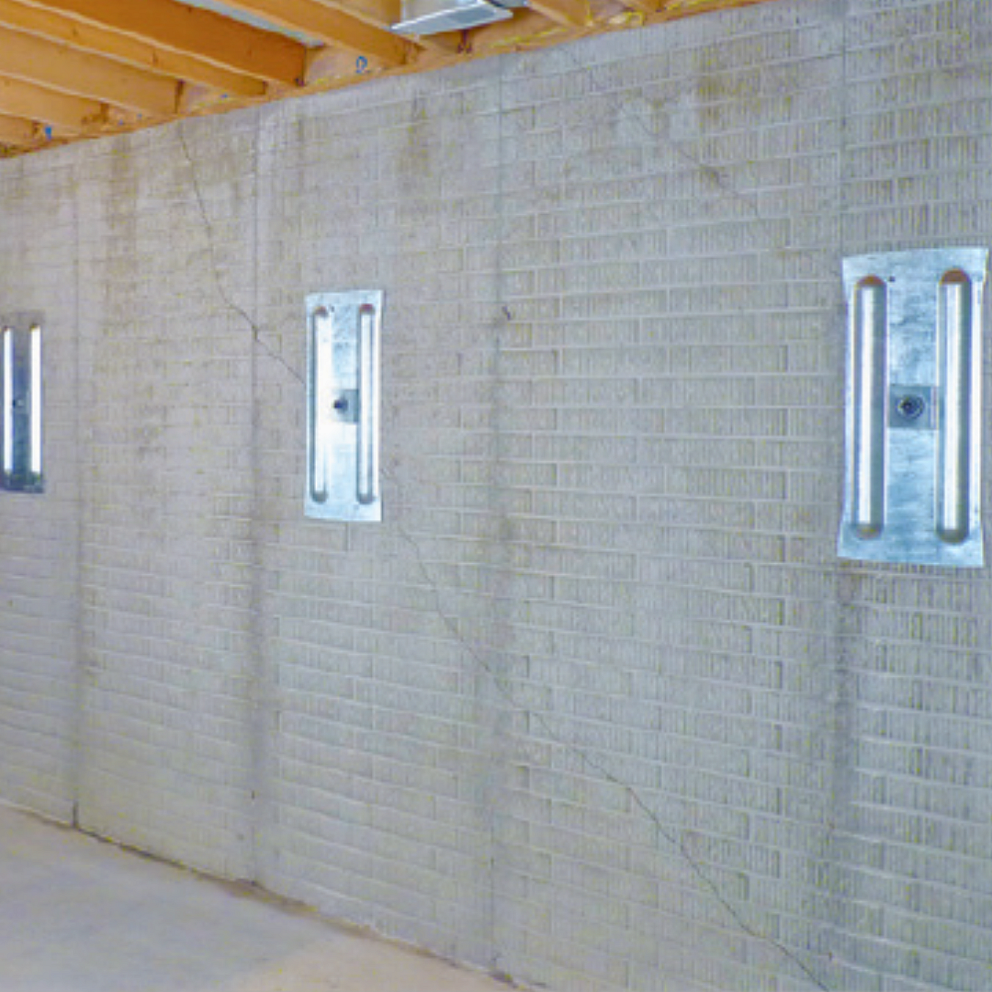
Foundation Wall Repair
Stop Bowing Walls Before They Fail
Excess moisture and expanding soil can place constant pressure on foundation walls, causing them to bow, crack, or shift inward over time. These changes can lead to water leaks, structural concerns, and worsening damage if left unaddressed.
Wall anchor systems provide a proven way to stabilize failing foundation walls by securing them to stable soil outside the home. By relieving pressure and preventing further movement, wall anchors help protect your foundation and, in many cases, allow walls to be gradually straightened, restoring safety, strength, and confidence in your home.
Get a free estimate today!
Having foundation wall issues?
Common Signs
There are a few signs that tell you your basement walls need some additional support, which include:
- Basement walls bowing or curving inward
- Bulging or buckling basement walls
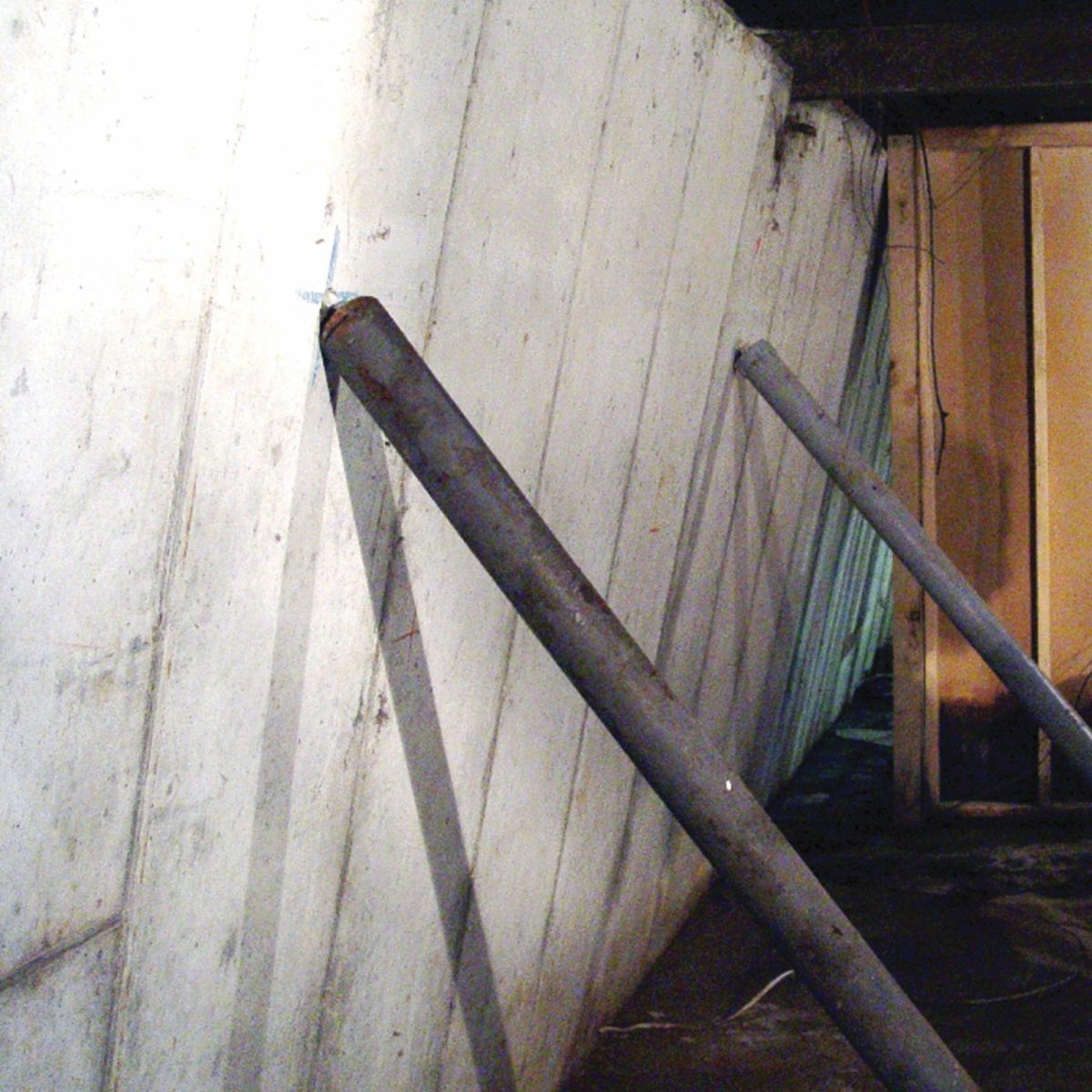
- Walls tilting inward at the top
- Water leaking through wall cracks
- Cracks widening over time
- Hairline horizontal cracks appearing
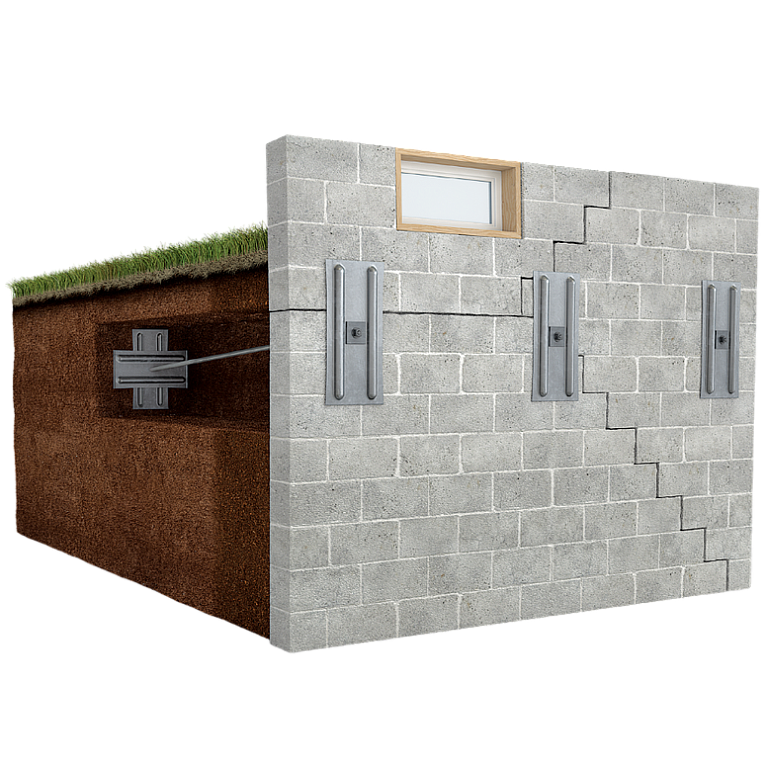
What is a GeoLock® Wall Anchor?
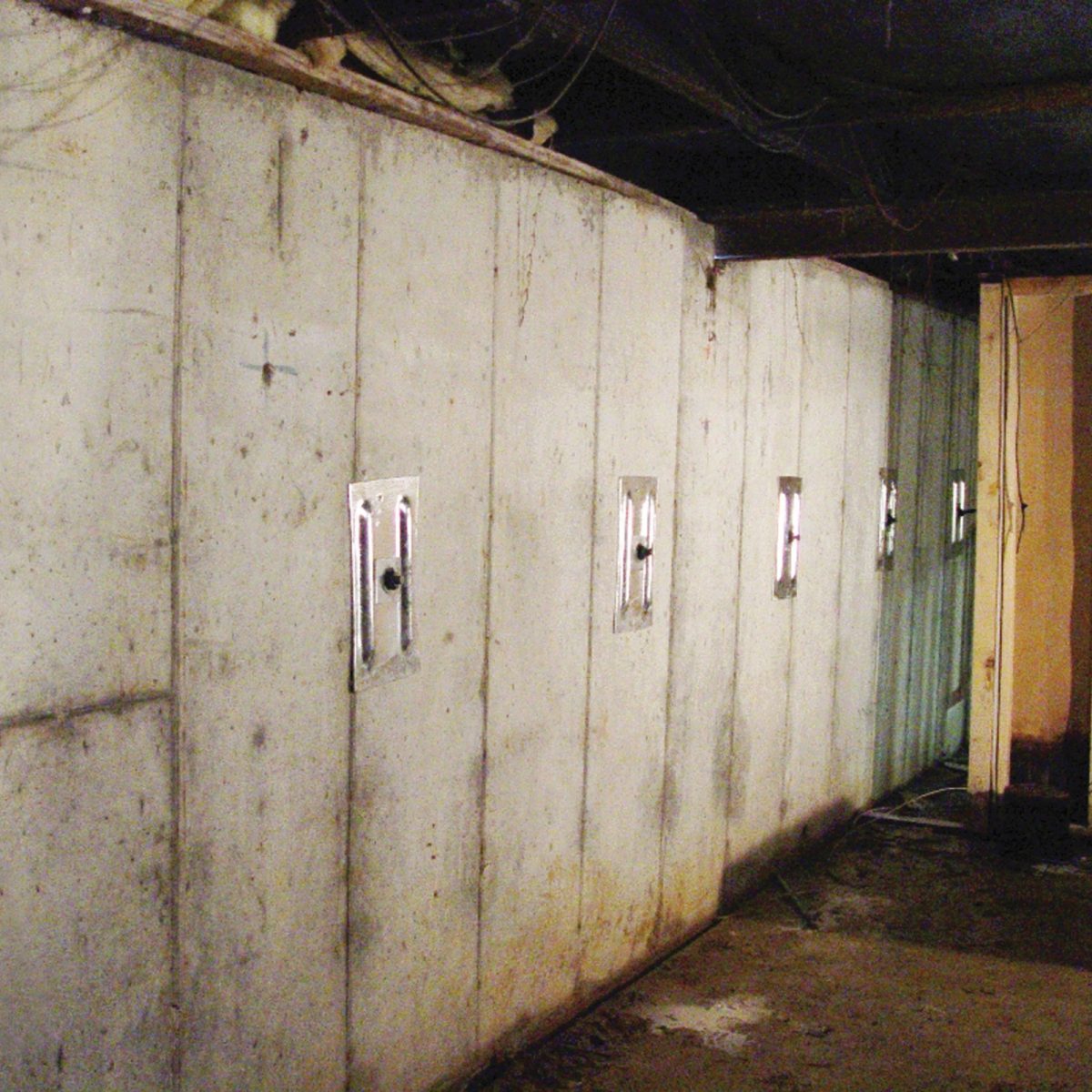
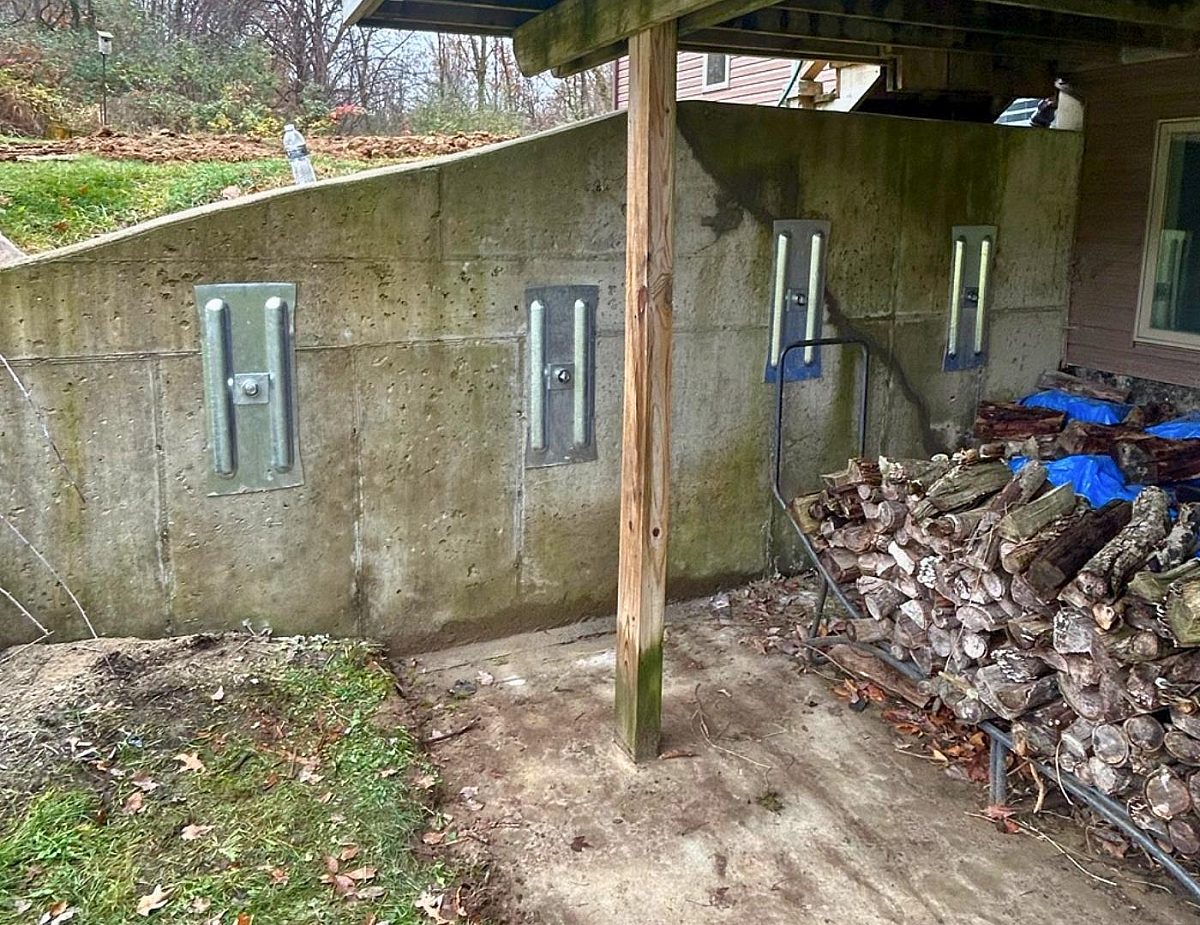
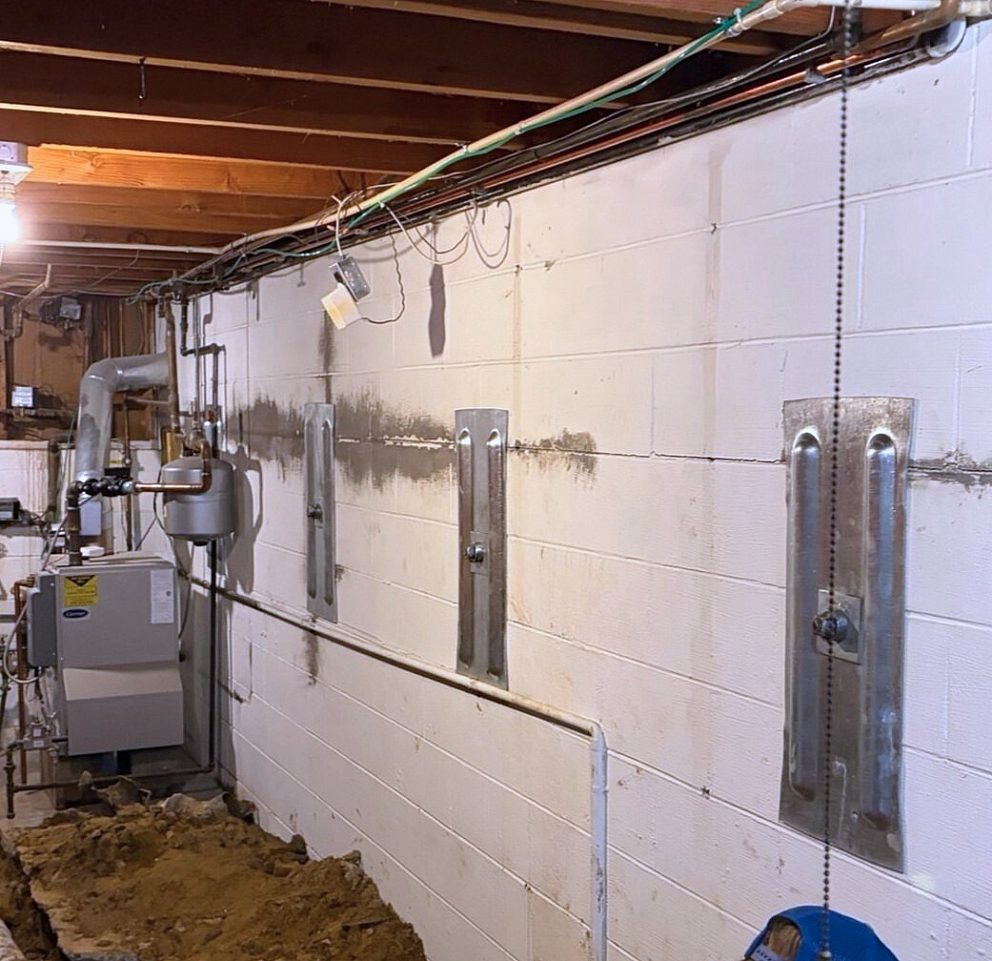
A GeoLock® wall anchor is a heavy-duty earth anchor embedded in stable soil outside the home and connected to interior steel wall plates using long, galvanized rods, holding the wall securely in place to prevent further movement. The system can also be tightened over time, often during dry seasons, to gradually move the wall back toward its original position for long-term stability and peace of mind.
The Strength of GeoLock®
Before & Afters
-
After
 Before
 Before
After
Before
After
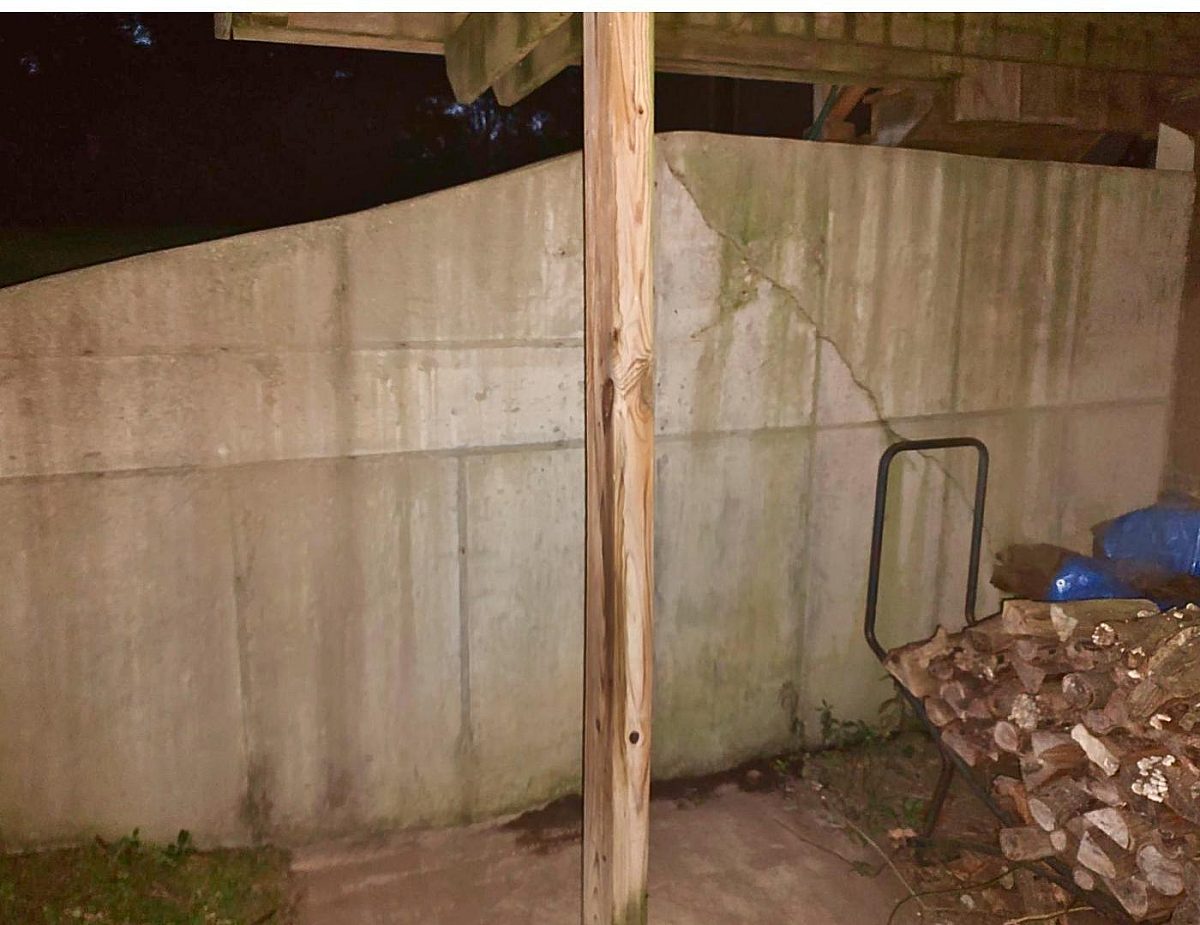
Slanted Wall Straightened
-
After
 Before
 Before
After
Before
After
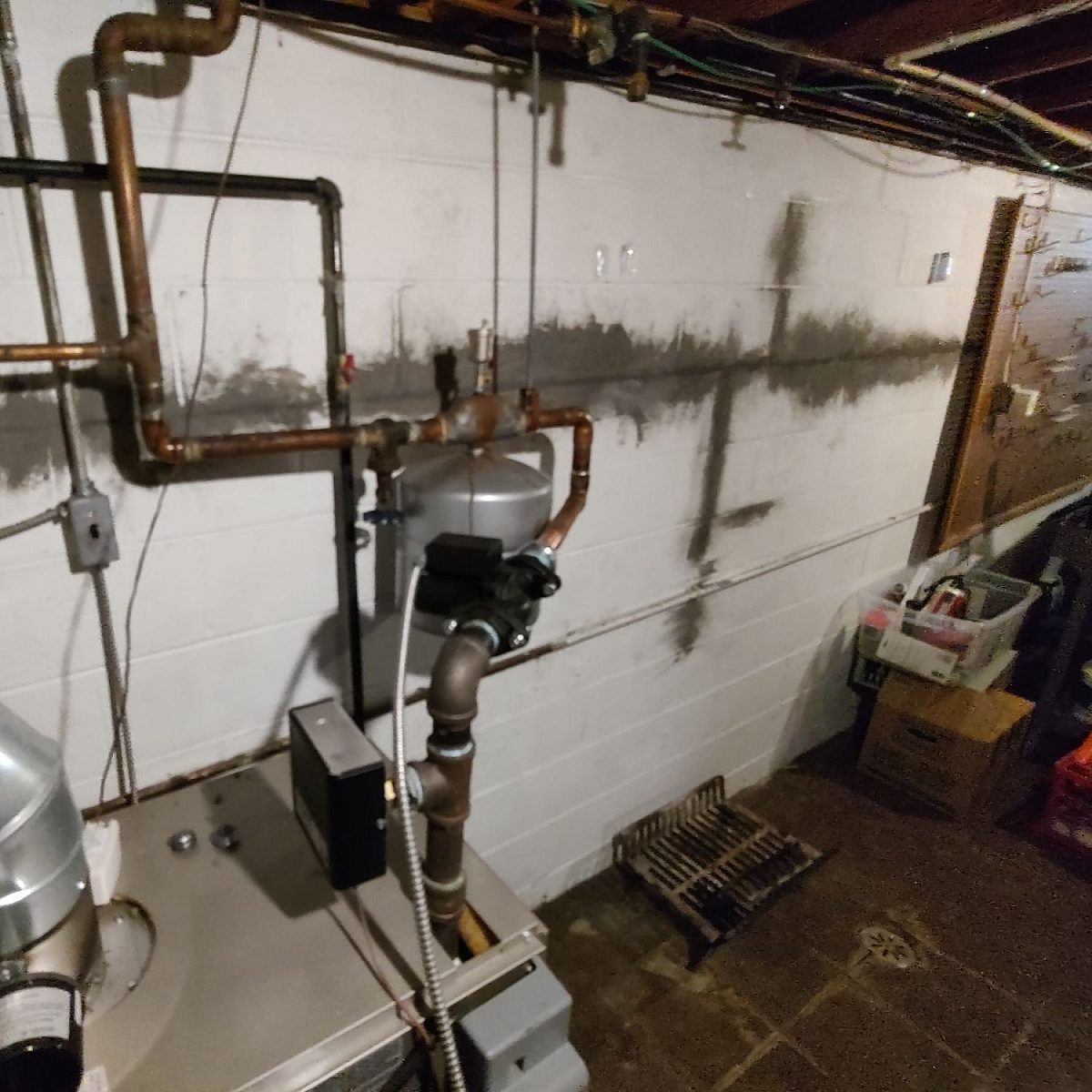
Retaining Wall Stabilized
-
After
 Before
 Before
After
Before
After
Temporary Patch to Permanent Support


Common Questions
Frequently Asked Questions
-
Wall anchors are installed by securing one anchor plate in stable, packed soil outside your home and another plate against the inside of the basement wall. These two plates are connected by a steel rod that runs through the wall. Once in place, the system is tightened to stabilize the wall and stop further inward movement. Over time, the anchors can be adjusted to help move a bowing or leaning wall back toward a straighter position.
-
The cost of repairing bowing basement walls depends on how severe the damage is, the repair method needed, and the conditions around your foundation. Addressing the problem early is important, as ignoring it can lead to more serious structural issues and higher repair costs over time. Ayers Basement Systems offers free inspections to evaluate your foundation and provide a clear, customized repair recommendation and estimate.
-
It can be difficult to know how serious a foundation or basement crack is without a professional inspection, but there are warning signs to watch for. Any crack that allows moisture or water to enter should be taken seriously. Cracks that are wider than typical hairline curing cracks may indicate a developing structural issue. If a crack continues to grow or change over time, it’s a strong sign the problem is becoming more serious and should be addressed.
-
Yes, wall anchors can be adjusted over time. Systems like GeoLock® are designed to immediately stabilize a bowing wall and prevent further movement once installed. During drier seasons, the anchors can be gradually tightened to help move the wall back toward its original position. While adjustments aren’t always required, periodic checks and annual maintenance help ensure the system continues performing as intended and the wall remains stable.
-
No, wall anchors are designed to resist rust over time. They are made from galvanized steel, which helps protect against corrosion and allows the anchors to perform reliably underground for long-term stability.