
Foundation Cracks That Shouldn't Be Ignored
Learn which foundation cracks are harmless, which ones may signal structural movement, and when it's time to schedule a professional inspection.
Not All Foundation Cracks Are the Same
Finding a crack in your basement wall or foundation can be alarming, but not every crack is a sign of a serious structural problem. Some cracks are a normal part of concrete curing, while others indicate that your home's foundation is shifting over time.
Knowing the difference can help you address small issues before they become larger, more expensive repairs.
What Causes Foundation Cracks?
Foundation cracks are often caused by movement beneath or around your home rather than problems with the concrete itself.
Some of the most common causes include:
- Expansive clay soils
- Heavy rainfall and poor drainage
- Freeze thaw cycles
- Soil settlement beneath the foundation
- Hydrostatic pressure against basement walls
- Tree roots affecting soil moisture
Throughout Southeast Michigan, changing weather conditions cause the soil to repeatedly expand and contract. Over time, this movement places stress on foundation walls, creating cracks that may continue to grow if left untreated.

Foundation Problems That Shouldn't Be Ignored
While some hairline cracks are common, they aren't the only sign of foundation movement. Bowing walls, stair step cracks, and sticking doors or windows can all indicate that your home's foundation is shifting.
Schedule a professional inspection if you notice:
- Horizontal cracks
- Stair step cracks in block foundations
- Bowing basement walls
- Cracks that continue to widen over time
- Doors or windows that begin sticking
- Uneven floors
- Water entering through foundation cracks
These symptoms often indicate ongoing foundation movement that should be addressed before additional damage occurs.

How Are Foundation Problems Repaired?
Every foundation problem is different. The right repair depends on how your home is moving and which structural components are affected.
Depending on your home's needs, solutions may include:
- EverBrace® wall restoration
- PowerBrace™ wall stabilization
- GeoLock® Wall Anchors
- SmartJacks® sagging floor support
- Helical or push piers
- Shotcrete foundation repair
- Waterproofing improvements to relieve hydrostatic pressure
Rather than simply filling visible cracks, permanent repairs address the underlying cause of foundation movement to help protect your home for years to come.
Helping a Milford Homeowner Protect Their Foundation
When Gail noticed her basement wall beginning to bow, she wanted to address the problem before it became more serious. Living in her Milford home with her mother and beloved dog, Baxter, her goal was to keep the home safe and stable for years to come.
After a free inspection, our team found that the block foundation wall, built in 1920, needed permanent structural support. In early 2024, we installed an EverBrace® wall restoration system to stabilize the failing wall. Then, during Gail's annual maintenance appointment in 2026, our service technician Jordan identified a failing support beam beneath the home. Catching the issue early allowed our team to return and install SmartJacks® to stabilize the floor system before more significant movement could occur.
Gail later left this five-star review following her maintenance appointment:
"Jordan and his co-worker did a great job at inspecting my basement and fixing my dehumidifier. I was also glad they pointed out a failing beam that they will replace."
Today, Gail has peace of mind knowing her home's foundation walls and floor system are supported with permanent solutions designed to protect her home for years to come.

Protect Your Home Before Small Problems Become Bigger Repairs
Foundation problems rarely improve on their own. Catching movement early can often help prevent more extensive repairs while protecting your home's value and structural integrity.
If you've noticed growing foundation cracks, bowing walls, sticking doors, or uneven floors, schedule a free estimate with Ayers Basement Systems. We'll identify the cause of the problem and recommend the right solution to help protect your home for years to come.
Learn More
Frequently Asked Questions
-
Small vertical hairline cracks can be a normal part of concrete curing. Cracks that continue to grow, become wider, or appear horizontally should be evaluated by a foundation repair specialist.
-
Yes. Most foundation problems can be permanently stabilized without replacing the entire foundation. The right repair depends on what is causing the movement and the type of foundation issue affecting your home.
-
Michigan's clay soils, seasonal freeze thaw cycles, heavy rainfall, and changing groundwater levels all contribute to foundation movement and cracking over time.
-
Bowing basement walls are often caused by expanding soil and hydrostatic pressure pushing against the outside of the foundation. As pressure builds over time, walls can begin to lean inward and may require professional stabilization.
-
When Should You Call a Foundation Repair Expert?
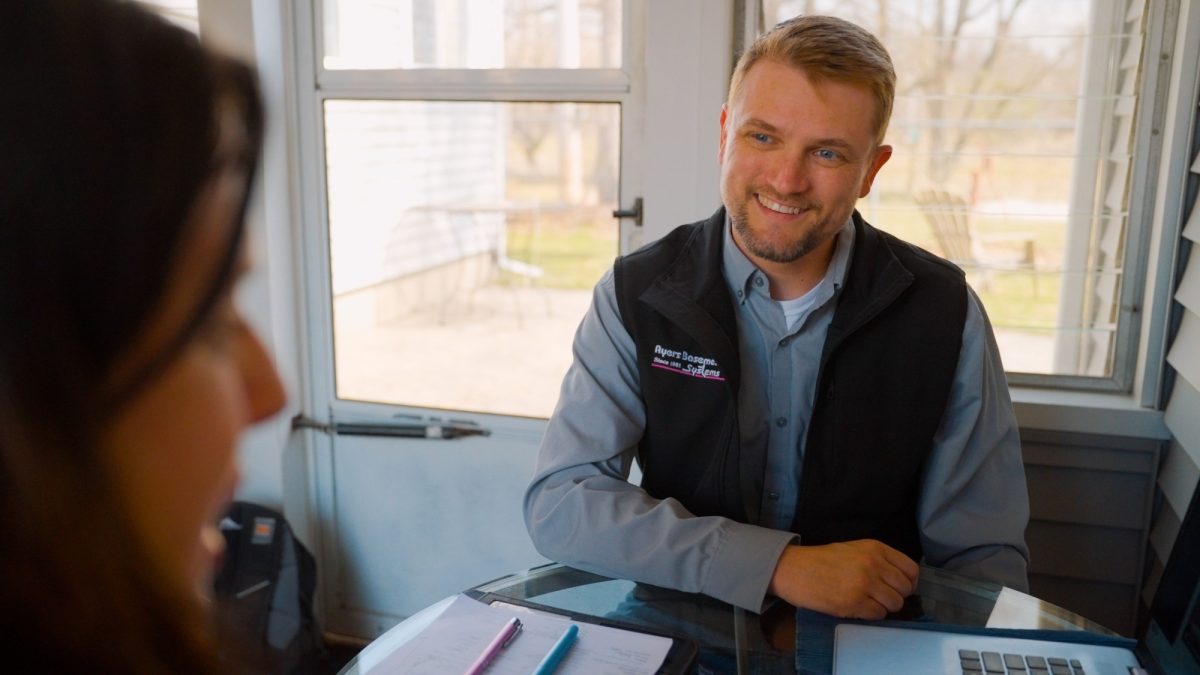
When Should You Call a Foundation Repair Expert?
Foundation issues can be easy to ignore and often something homeowners hope will simply go away on its own.
-
What Foundation Repair Is Right for My Home?
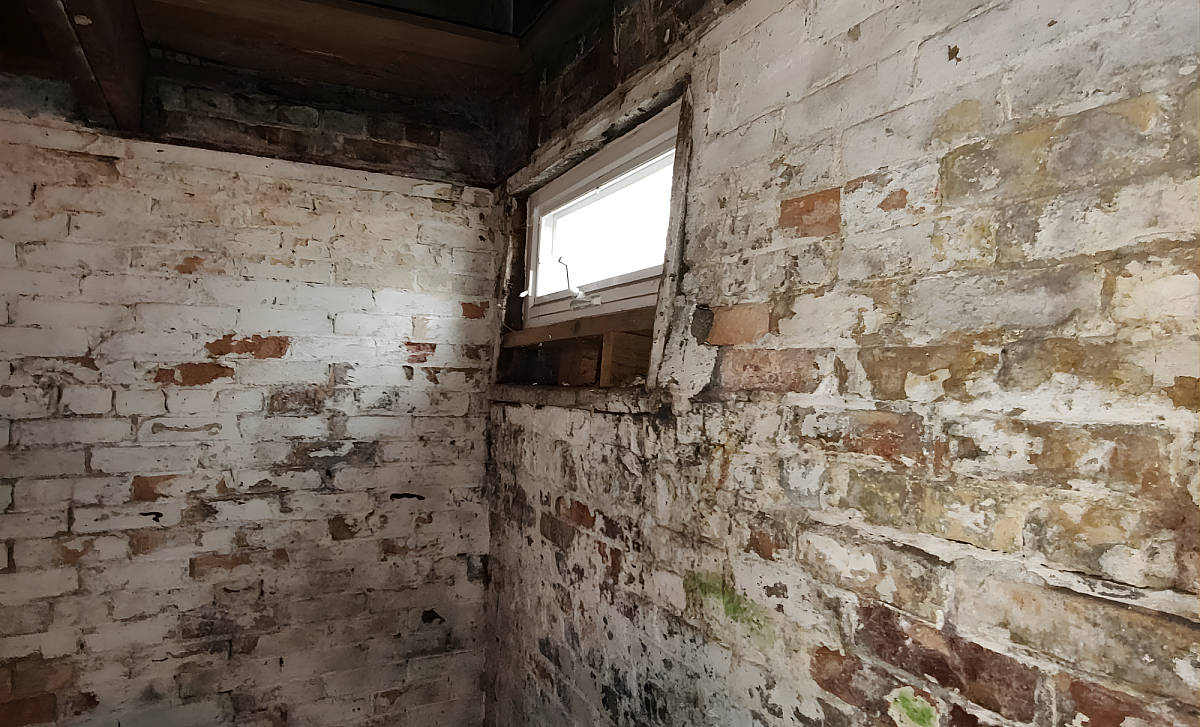
What Foundation Repair Is Right for My Home?
Seeing cracks or movement in your home's foundation in Novi, Michigan? Here’s how to choose the right repair approach.
-
How Homeowners in Troy, MI Are Fixing Foundation Problems
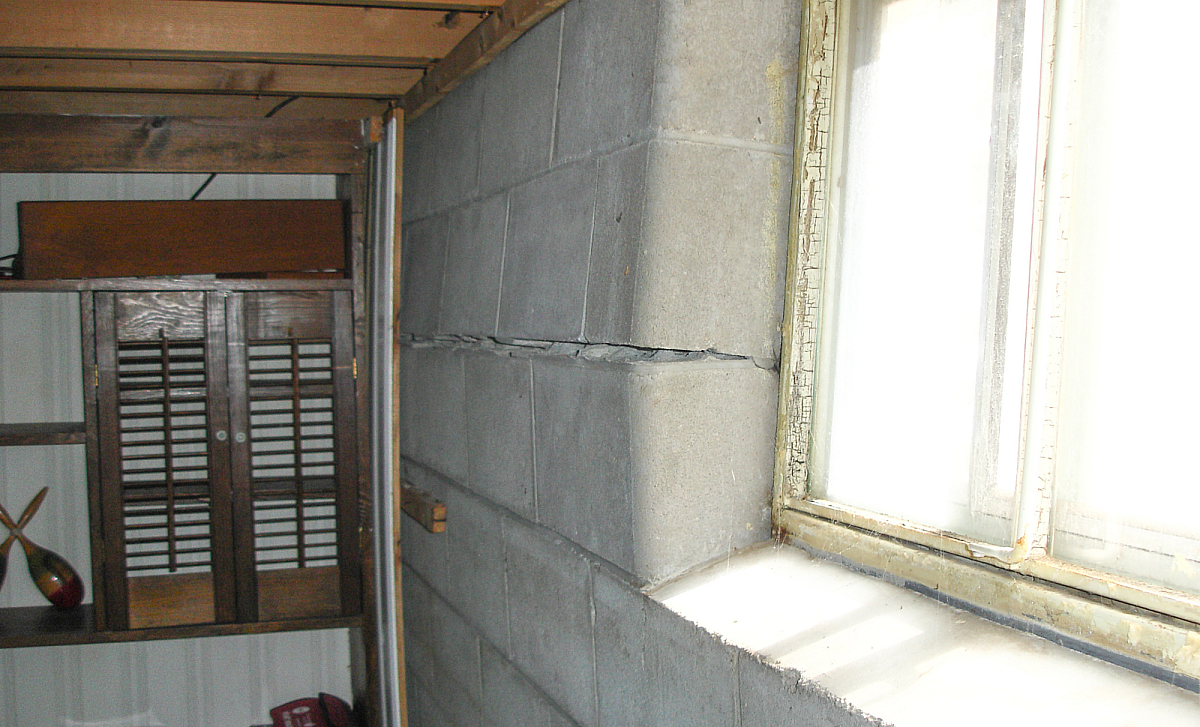
How Homeowners in Troy, MI Are Fixing Foundation Problems
Is your foundation cracking, shifting, crumbling, or bowing? Learn what it means and how to fix it, permanently.


