
What to Do After Your Basement Floods From Heavy Rain
Basement flooded after heavy rain? Learn what to do next and how to prevent future water damage with the right solution.
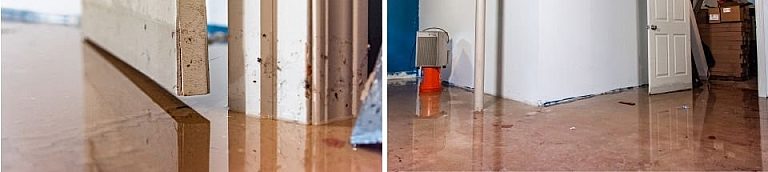
After heavy spring rain, basement flooding can happen fast and it can feel overwhelming.
One minute everything looks fine, and the next you’re dealing with standing water, damaged belongings, and uncertainty about what to do next.
If your basement has recently flooded, you may notice:
- Water covering parts of the floor
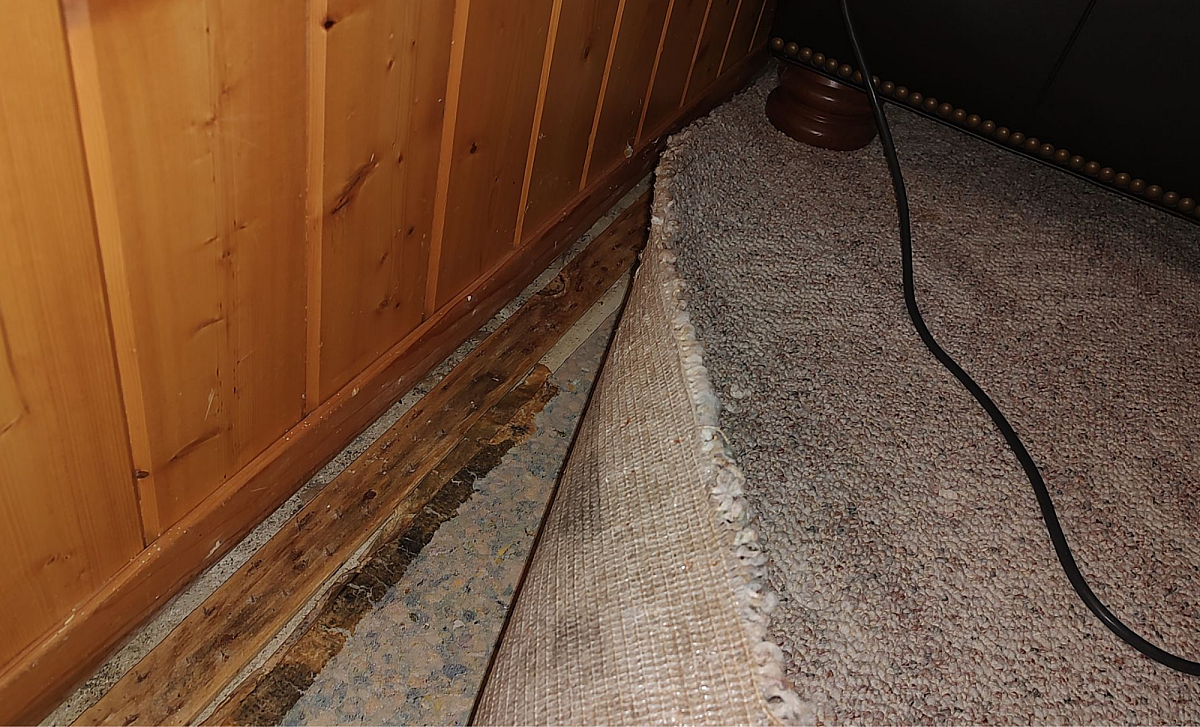
- Wet carpet or damaged belongings
- A sump pump running constantly
- A sump pump that couldn't keep up with the volume of water
- Musty odors or rising humidity
In areas across Southeast Michigan, including Farmington Hills, recent rain has saturated the ground and pushed water toward home foundations.
Knowing what to do next can help minimize damage, and prevent the problem from happening again.
Helping a Homeowner in Farmington Hills Recover After Basement Flooding
After a series of heavy spring storms, a homeowner in Farmington Hills, near the Twelve Mile and Orchard Lake Road area, noticed water covering part of their basement floor.
What started as a small issue quickly turned into standing water, putting stored items and finished areas at risk. Like many homes in the area, clay-heavy soil had become saturated, allowing water to push in through the wall-floor joint.
Our team recommended a full-perimeter basement waterproofing system to permanently stop the problem.
The solution included:
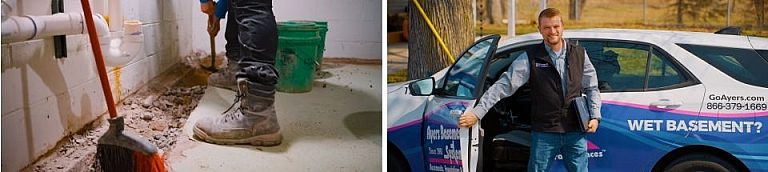
- An interior drainage system to collect groundwater
- A sump pump system to remove water efficiently
With the system in place, the homeowner now has a dry basement and peace of mind during future storms.
Steps to Take After Your Basement Floods
Stay Safe First
Avoid standing water if electrical outlets or appliances are affected. Turn off power if needed before entering.
Remove Water as Soon as Possible
Use a sump pump, wet/dry vacuum, or towels to remove water quickly and reduce damage. There are also several emergency water removal contractors who can help remove the current water.
Dry Out the Space
Use fans and dehumidifiers to remove moisture and prevent mold growth.
Move and Protect Belongings
Remove furniture, storage items, and rugs to prevent further damage.
Identify the Source
Look for where water is entering, such as wall-floor joints or foundation cracks.
Why Basement Waterproofing Matters
Cleaning up after flooding is important, but it does not solve the underlying issue.
Most basement flooding during heavy rain is caused by hydrostatic pressure building around the foundation walls.
A professional waterproofing system is designed to relieve that pressure and control water before it enters your home.
Interior Drainage System:
- Captures groundwater before it reaches your basement
- Relieves pressure around the foundation
- Directs water to a sump pump
Sump Pump System:
- Removes water safely away from your home
- Keeps up during heavy rain events
- Can include backup protection
Work With a Team You Can Trust
Homeowners across Michigan and Northern Indiana have trusted Ayers Basement Systems for over 45 years. As a family-owned and veteran-owned company, we focus on long-term solutions, not quick fixes.
If your basement has flooded, or you want to prevent it from happening again, schedule your free estimate with Ayers Basement Systems!
Don’t Forget About Crawl Spaces
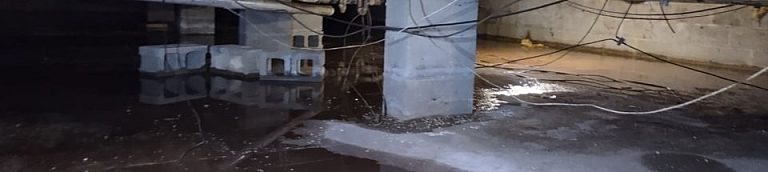
Basements aren't the only concern during heavy rain! If your home has a crawl space, flooding can happen there too.
Common problems include:
- Standing water
- High humidity
- Mold or musty odors
Crawl space waterproofing solutions help protect your home and improve indoor air quality. Get your free estimate today!
Basement Waterproofing
Frequently Asked Questions
-
Heavy rain saturates the soil around your home, creating hydrostatic pressure against the foundation walls. Water can then enter through cracks, wall-floor joints, or other weak points in the basement.
-
Start by making sure the area is safe, especially around electrical outlets or appliances. Remove standing water quickly, dry the space with fans and dehumidifiers, and move belongings to prevent additional damage.
-
A properly installed sump pump system helps remove water before it builds up in your basement. Many homeowners also choose a battery backup sump pump for extra protection during severe storms or power outages.
-
Signs you may need basement waterproofing include water on the floor, damp walls, musty odors, high humidity, or recurring leaks after rainstorms.
-
Yes. Moisture left behind after flooding can quickly lead to mold growth and poor indoor air quality. Drying the area as soon as possible is important to help reduce the risk.
-
Hydrostatic pressure occurs when water builds up in the soil surrounding your foundation. That pressure pushes moisture toward basement walls and floors, often leading to leaks or flooding.
-
Yes. Basement waterproofing systems help protect finished spaces, flooring, furniture, and stored belongings from future water damage.
-
Absolutely. Crawl spaces can collect standing water and excess moisture during storms, leading to mold, musty odors, and structural concerns if left untreated.
-
How Do I Fix My Wet Basement?
How Do I Fix My Wet Basement?
Dealing with a wet basement or crawl space? Here’s how to fix it for good.
-
Why Heavy Rain Can Lead to Basement Water Problems
Why Heavy Rain Can Lead to Basement Water Problems
Heavy rain can overwhelm foundations. Learn why basements leak and how a waterproofing system protects homes from flooding and moisture issues.…
-
Water Puddles in Your Basement? Here’s What’s Causing Them
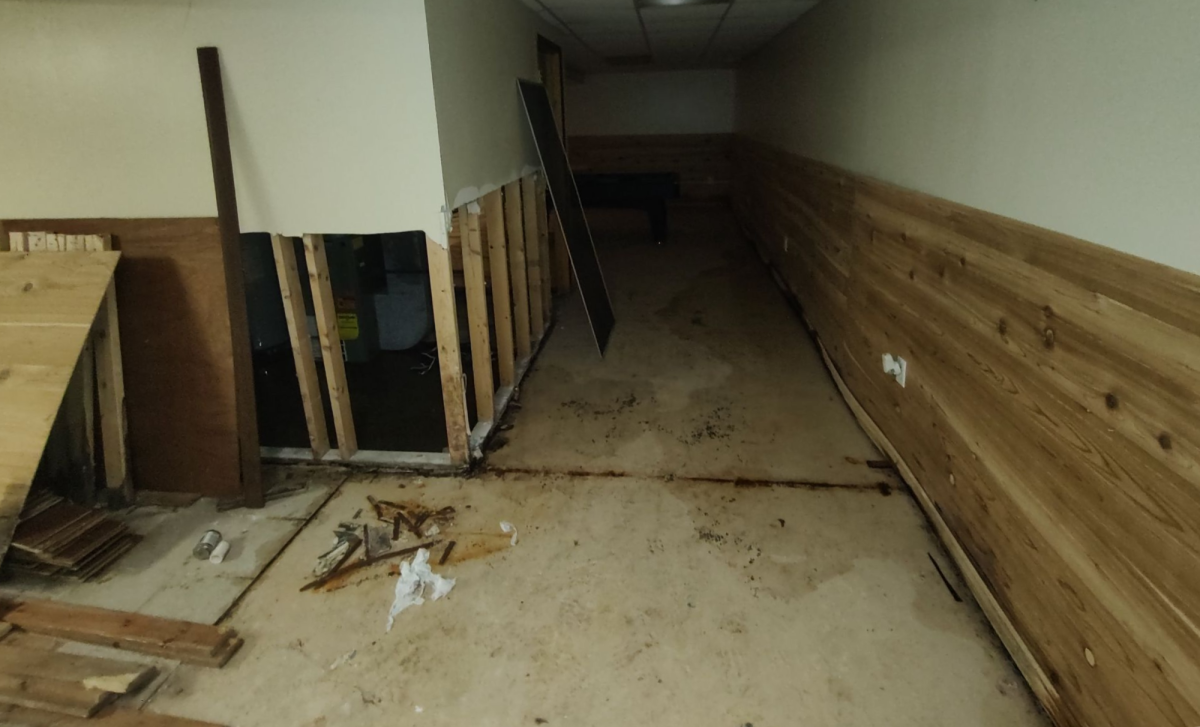
Water Puddles in Your Basement? Here’s What’s Causing Them
Water puddles in your Michigan or Indiana basement are often caused by hydrostatic pressure pushing moisture through your foundation.


