
Why Heavy Rain Can Lead to Basement Water Problems
Heavy rain can overwhelm foundations. Learn why basements leak and how a waterproofing system protects homes from flooding and moisture issues.
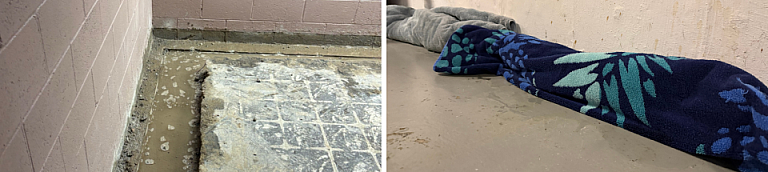
After a week of steady rain, many homeowners start noticing the same frustrating problem: water where it shouldn’t be.
You may see:
- Water along basement walls
- Damp carpet or flooring
- Puddles forming near floor joints
- A sump pump running non-stop
- Musty smells or increased humidity
These signs often appear when the soil around your home can no longer absorb water and begins to press against the foundation. For many homeowners, this can feel sudden, but it’s usually the result of pressure building over time.
Giving Peace of Mind to Homeowners in Troy
After several days of heavy rain, homeowners in Troy, MI, near Boulan Park, noticed water collecting along the edge of their home's basement floor.
The issue kept returning with each storm, raising concerns about damage to their finished basement. During the inspection, our team found saturated clay soil, increased hydrostatic pressure, and water entering at the wall-floor joint. All common issues in this area of the state.
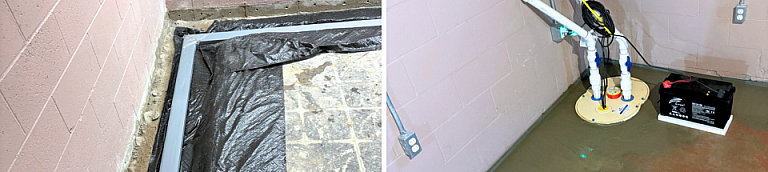
To fix the problem, we installed a full-perimeter basement waterproofing system, including a sump pump to capture and redirect groundwater outside the home with a discharge line.
With the system in place, the homeowners now have a dry basement and peace of mind during heavy rain.
How Saturated Soil Causes Basement Leaks
When rain falls for several days in a row, the ground surrounding your home absorbs water until it can’t hold any more. Once the soil becomes saturated, the excess moisture pushes against your foundation walls and basement floor. This pressure is known as hydrostatic pressure.
Hydrostatic pressure forces water through the smallest openings in concrete, including:
- Hairline foundation cracks
- Mortar joints in block walls
- The joint where the basement wall meets the floor
- Porous concrete surfaces
Many homes near Boulan Park are over 50 years old and most built with poured concrete or block foundations. As these materials age, it’s common for minor cracks or wear to develop, which can allow moisture to enter if not properly maintained.
What Basement Waterproofing Actually Does
Many homeowners try quick fixes when they first see water in the basement, such as sealing cracks or extending downspouts. While those steps can help temporarily, they often do not address the main cause of basement leaks.
A professional basement waterproofing system is designed to control groundwater before it reaches your basement floor. The most effective systems typically include several components working together: drainage channels, a sump pump, and a discharge line. In some cases, even a dehumidifier can help with excess moisture.
If your basement or crawl space has taken on water after recent storms, it may be time to explore a long-term solution.
Schedule a free estimate with Ayers Basement Systems to learn how professional waterproofing can help protect your home from future water damage.
-
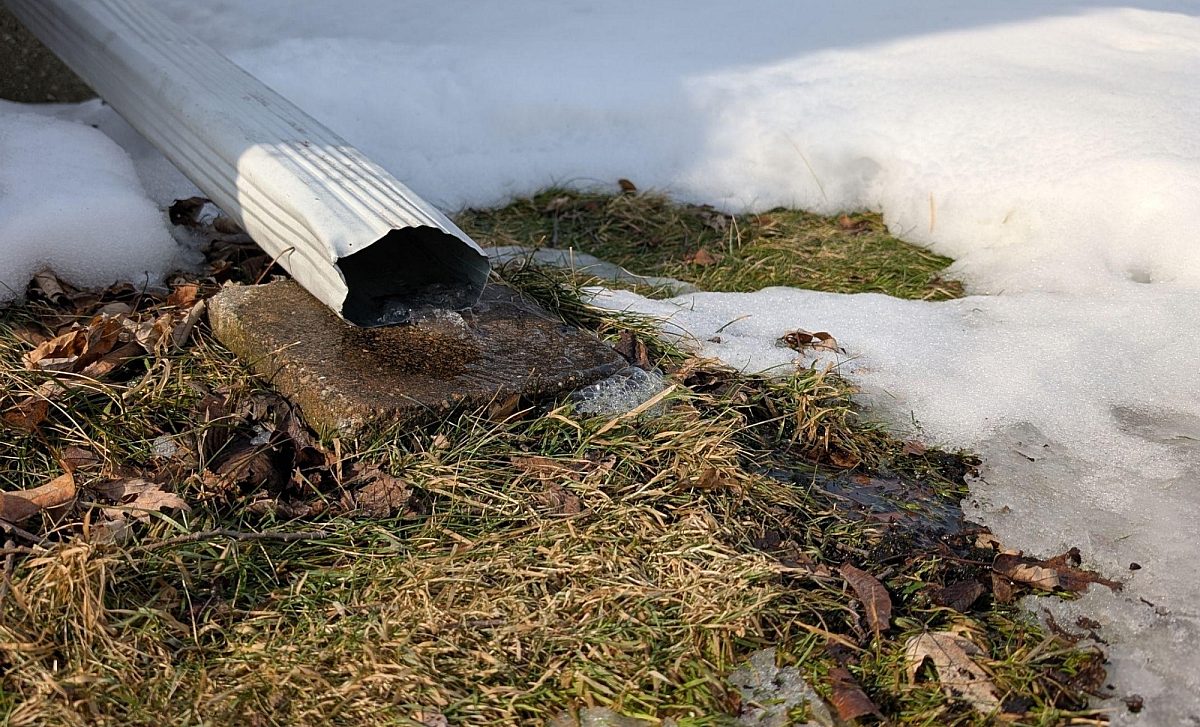
Why Is My Basement Getting Water After Snow Melt and Heavy Rain?
Why Is My Basement Getting Water After Snow Melt and Heavy Rain?
Basement flooding after snow melt? Learn why it happens and how to permanently fix it.
-
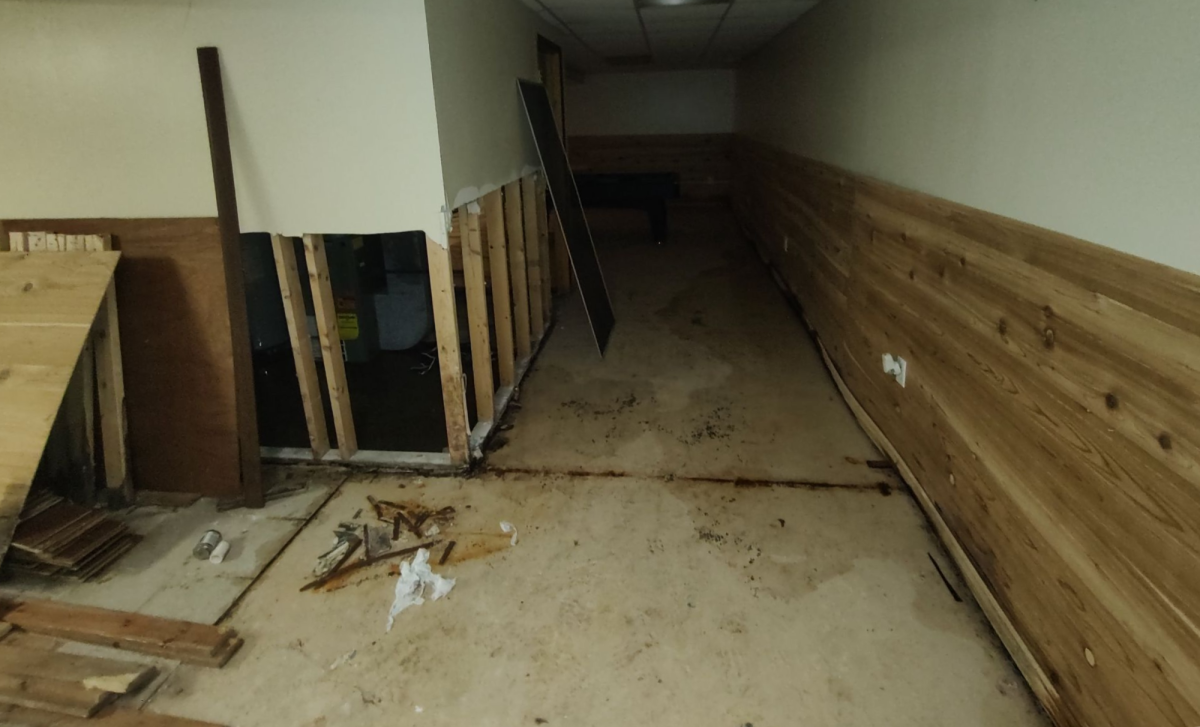
Water Puddles in Your Basement? Here’s What’s Causing Them
Water Puddles in Your Basement? Here’s What’s Causing Them
Water puddles in your Michigan or Indiana basement are often caused by hydrostatic pressure pushing moisture through your foundation.
-
Musty or Wet Crawl Space? How Crawl Space Health Impacts Your Health

Musty or Wet Crawl Space? How Crawl Space Health Impacts Your Health
Moisture and mold in your crawl space can impact your family’s air quality. Protect your home from the ground up with proper encapsulation.


