
What Do the Large Cracks in My Garage Floor Mean?
Learn what causes large garage floor cracks, when they're a warning sign, and how concrete lifting can restore your garage.
If you've noticed large cracks spreading across your garage floor, you're not alone. Many homeowners assume cracked concrete is simply part of owning an older home, but significant cracks often point to movement beneath the slab.
The good news is that a cracked garage floor doesn't always need to be replaced. In many cases, the concrete can be lifted, stabilized, and repaired, saving homeowners time, money, and disruption.
Here's what causes garage floors to crack, when it's time to be concerned, and how professional concrete repair can restore your garage.
Why Do Garage Floors Crack?
Concrete is incredibly strong, but that depends on whether the soil beneath it is stable. When the support below changes, the slab can crack, settle, or become uneven. Some of the most common causes include:
- Soil settling beneath the concrete over time
- Water washing away or weakening the supporting soil
- Freeze-thaw cycles common throughout Michigan
- Poor soil compaction during construction
- Heavy vehicles or equipment placing additional stress on the slab
Many garages built decades ago, especially detached garages, were constructed on soils that have naturally shifted over time. As the soil settles, empty spaces can develop beneath the concrete, allowing sections of the floor to sink and crack.
Signs Your Garage Floor May Need Repair
Not every crack is a structural concern, but there are several signs that indicate it's time for a professional inspection. Look for:
- Large or widening cracks
- Uneven concrete slabs
- Sections of the floor that have settled
- Water collecting in low spots
- Gaps or movement between slabs
- Concerns about voids beneath the concrete
These issues often become worse over time if the underlying soil continues to move.
Can a Cracked Garage Floor Be Repaired Without Replacement?
In many cases, yes. If the concrete is still structurally sound, replacement may not be necessary.
Instead, contractors can inject PolyLevel® beneath the slab to fill empty spaces and gently lift the concrete back toward its original position. Once the slab is stabilized, cracks and joints can be sealed with NexusPro® Joint Sealant to help prevent water from entering and causing additional soil erosion beneath the concrete.
Compared to replacing an entire garage floor, concrete lifting is typically faster, less disruptive, and allows homeowners to use the space again much sooner.
A Royal Oak Garage Gets a Second Chance
Homes throughout Royal Oak are known for their character, and many were built in the 1940s and 1950s. While these homes have stood the test of time, their original concrete often shows signs of decades of soil movement and seasonal weather.
That was the case for Zack, who owns a 1951 home in Royal Oak with a detached garage. Over the years, several large cracks had developed across the garage floor, and the concrete had settled enough to create concerns about empty spaces beneath the slab.
Rather than replacing the entire floor, our team lifted and stabilized the concrete using PolyLevel® before sealing the cracks with NexusPro®. The repair restored a more even surface, helped eliminate the underlying voids, and dramatically improved the appearance of the garage while helping protect it from future water intrusion.
Projects like this are common throughout older neighborhoods near Downtown Royal Oak and surrounding communities, where preserving existing concrete is often a practical alternative to full replacement.

When Should a Garage Floor Be Replaced Instead?
While many garage floors can be repaired, there are situations where replacement is the better option.
Replacement may be recommended if:
- The concrete has deteriorated extensively.
- Large portions of the slab have broken apart.
- The concrete is crumbling due to age or poor installation.
- There is significant structural damage beyond what lifting can correct.
A professional inspection can determine whether your garage floor is a good candidate for lifting or if replacement makes more sense.
Learn About Concrete Repair
Frequently Asked Questions
-
Yes. Many garage floor cracks can be repaired by first stabilizing the slab with PolyLevel® and then sealing the cracks with NexusPro® to help protect against future water infiltration.
-
Garage floors typically sink because the soil beneath the concrete settles, washes away, or loses its ability to support the slab.
-
If the concrete is still structurally sound, lifting and stabilizing the slab is often a more cost effective solution than replacement. A professional inspection can determine the best approach.
-
Small hairline cracks are usually cosmetic, but large, widening, or uneven cracks may indicate movement beneath the slab that should be evaluated before the problem worsens.
-
When the underlying cause of settlement is addressed and the repair is completed properly, concrete lifting can provide long lasting results. Sealing joints and cracks also helps reduce future water intrusion beneath the slab.
Restore Your Garage Floor Without Replacing It
Large garage floor cracks don't always mean you need a brand new slab.
If your garage floor is sinking, uneven, or developing widening cracks, Ayers Basement Systems can inspect the concrete, identify the cause of the movement, and recommend the right repair solution for your home.
Schedule your free inspection today and learn whether your garage floor can be lifted instead of replaced.
-
Before You Replace Your Concrete Driveway, Consider Repair
Before You Replace Your Concrete Driveway, Consider Repair
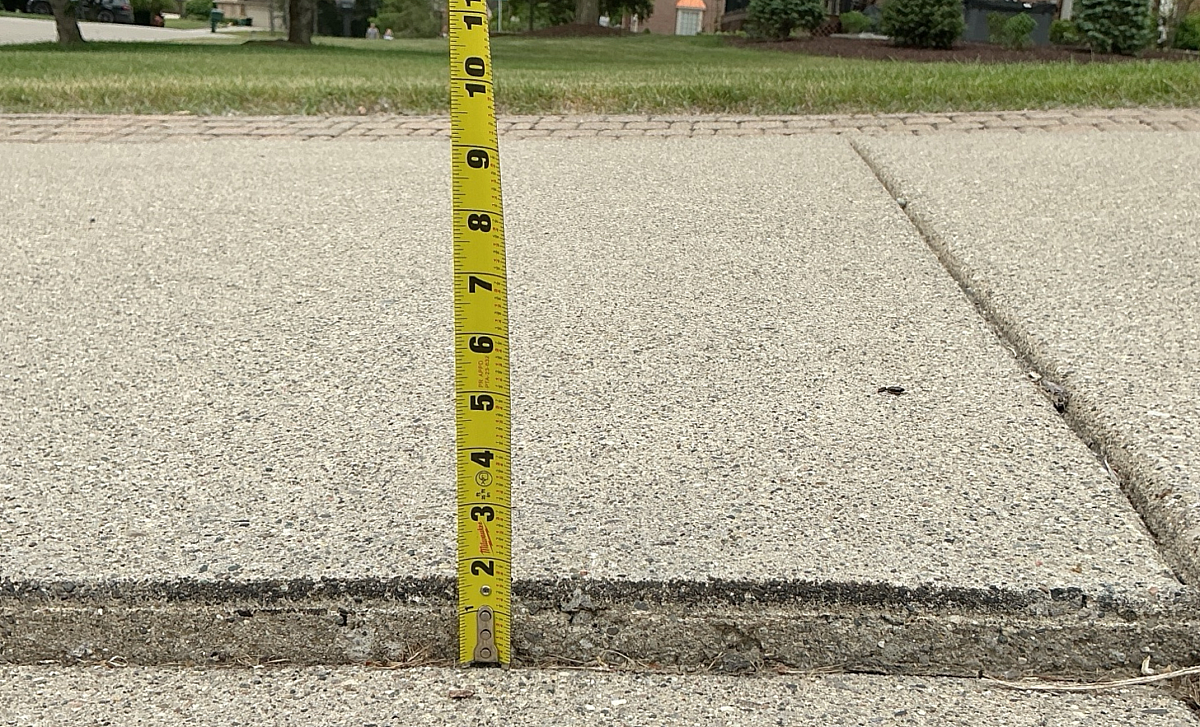
See how we helped one Northville, MI homeowner avoid costly concrete replacement with a custom concrete repair solution.
-
Uneven Concrete Creating a Trip Hazard? Here's How to Repair It
Uneven Concrete Creating a Trip Hazard? Here's How to Repair It
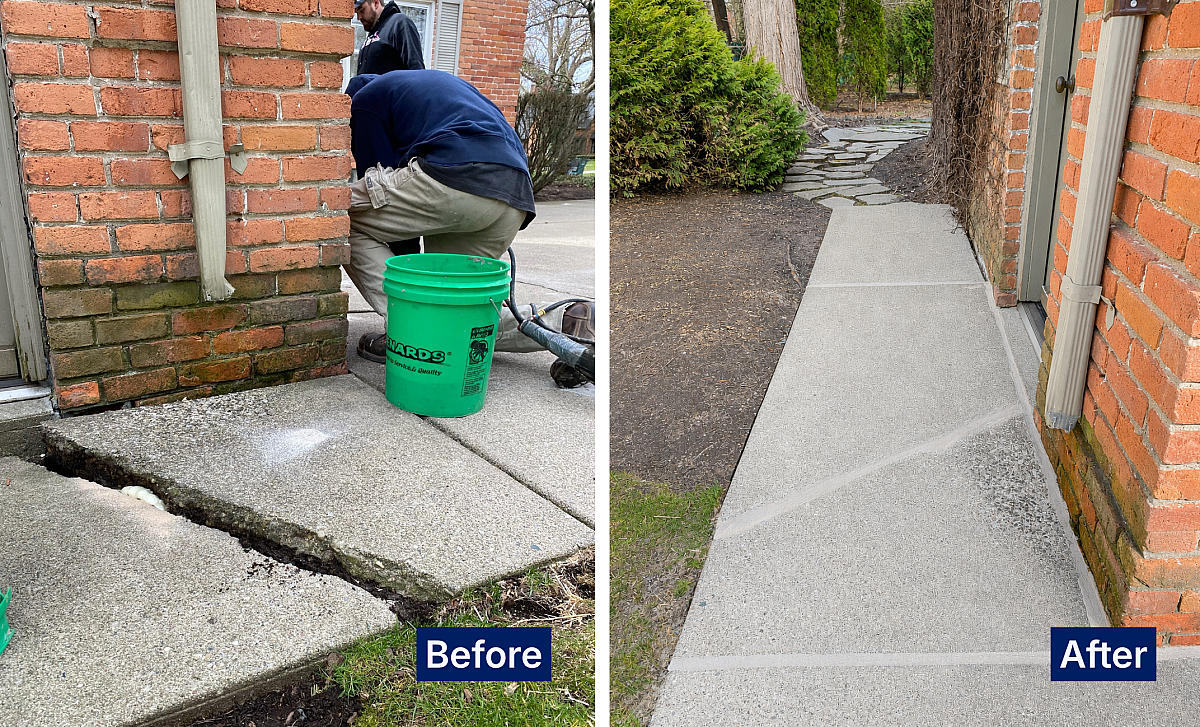
Uneven concrete can create serious trip hazards around your home. See how we helped a Birmingham, MI homeowner level and repair their concrete without replacing…
-
Why Does Concrete Sink? Common Causes of Uneven Driveways, Sidewalks & Patios
Why Does Concrete Sink? Common Causes of Uneven Driveways, Sidewalks & Patios
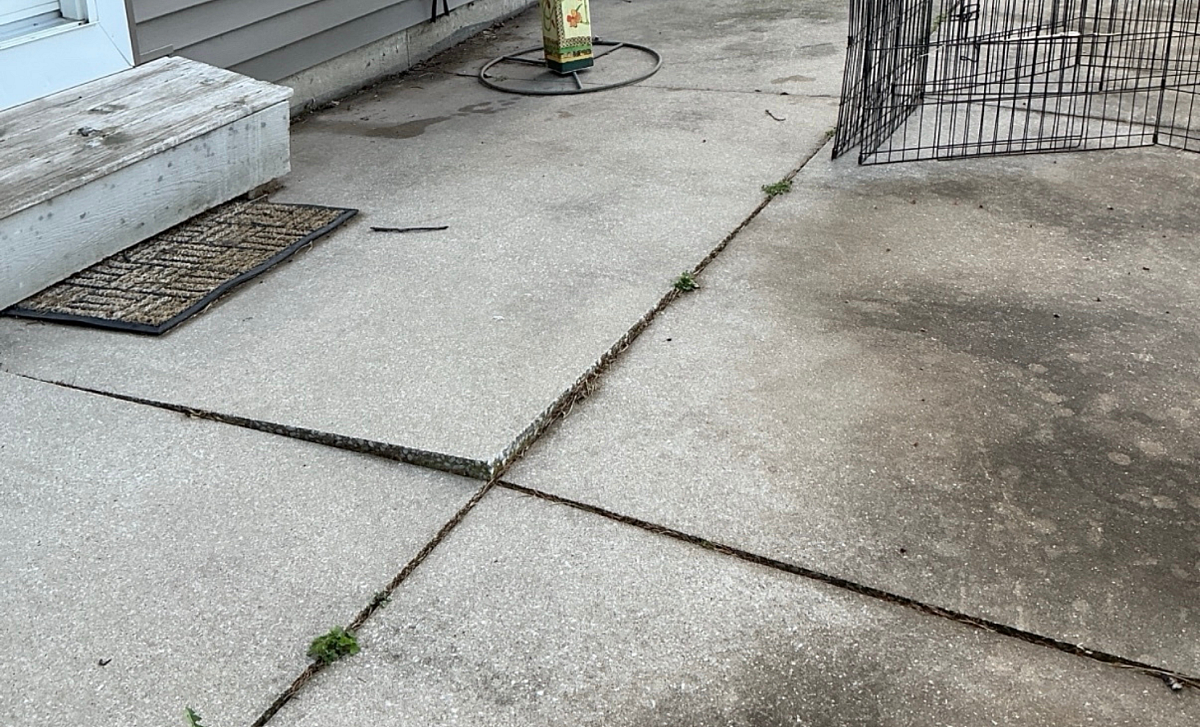
Learn why concrete sinks, what causes uneven slabs, and how homeowners can restore driveways, sidewalks, and patios without replacing them.


