
Why Does Concrete Sink? Common Causes of Uneven Driveways, Sidewalks & Patios
Learn why concrete sinks, what causes uneven slabs, and how homeowners can restore driveways, sidewalks, and patios without replacing them.
Concrete doesn't sink because it's old. In most cases, it sinks because the soil underneath it has shifted or washed away, leaving empty spaces that no longer support the weight of the slab.
Whether it's your driveway, sidewalk, patio, garage floor, or front steps, uneven concrete is more than an eyesore. It can become a tripping hazard, cause water to collect in the wrong places, and continue getting worse over time if left untreated.
Why Does Concrete Sink?
Several factors can cause concrete to settle over time:
Soil Settlement
When the soil beneath a concrete slab naturally settles or compacts, it creates empty spaces beneath the surface. Without full support, the concrete begins to sink.
Water Erosion
Water is one of the biggest causes of sinking concrete. Heavy rain, poor drainage, leaking downspouts, or melting snow can wash soil away beneath the slab, leaving voids that eventually cause concrete to settle.
Michigan Freeze Thaw Cycles
Michigan's changing seasons put constant stress on concrete. As water freezes and expands, then thaws again, the soil beneath the slab shifts. Over time, these repeated freeze thaw cycles can contribute to uneven concrete.
Poor Soil Compaction
Sometimes the soil wasn't properly compacted when the concrete was originally installed. Years later, the ground settles, causing sections of concrete to drop.

Signs Your Concrete Is Sinking
You may notice:
- Uneven driveway slabs
- Sidewalk trip hazards
- Sunken patios
- Concrete steps pulling away from the house
- Standing water after rain
- Cracks forming where slabs have settled
Addressing these issues early can often prevent additional damage and eliminate safety hazards.
How Is Sinking Concrete Repaired?
For many homeowners, replacement is not necessary.
PolyLevel® is a high-density polyurethane foam that is injected beneath the concrete through small holes. As the foam expands, it fills empty spaces beneath the slab, gently lifting the concrete back toward its original position while stabilizing the soil below.
Because the process requires minimal disruption, most concrete surfaces can be used again within hours instead of days.

A Milford Homeowner's Driveway Transformation
After living near downtown Milford for more than 15 years, one homeowner noticed their driveway and front walkway becoming increasingly uneven. What began as a few small areas of settlement eventually created a tripping hazard and made it difficult to safely walk to the front door. Like many homes in Milford, years of freeze thaw cycles and shifting soil had caused the concrete to lose support beneath the surface.
Rather than replacing the entire driveway, our team used PolyLevel® to lift and level the settled slabs. The repair was completed quickly with minimal disruption, restoring a smooth, even surface while preserving the existing concrete. The homeowner now has a safer driveway, improved curb appeal, and peace of mind knowing the concrete is supported for years to come.
Protect Your Concrete for the Long Term
Lifting concrete is only part of the solution.
After the slab has been leveled with PolyLevel, sealing joints and cracks with NexusPro® helps prevent water from washing soil away beneath the concrete again. SealantPro® can also be applied to help protect the surface from moisture, stains, and everyday wear.
Together, these solutions help homeowners restore safety, improve curb appeal, and extend the life of their concrete without the cost and disruption of replacement.
If your driveway, sidewalk, patio, or steps are uneven, now is a great time to have them inspected. Schedule your free estimate with Ayers Basement Systems and learn whether concrete lifting is the right solution for your home.
Concrete Repair
Frequently Asked Questions
-
Yes. In many cases, sunken concrete can be lifted using PolyLevel® rather than removed and replaced, saving homeowners time and money.
-
It can be. Uneven concrete creates trip hazards and can allow water to drain toward your home's foundation instead of away from it.
-
PolyLevel® is a long-lasting repair solution that resists water and won't break down like traditional mudjacking materials, making it an effective way to stabilize concrete for years to come.
-
NexusPro® is a flexible joint and crack sealant designed for concrete. It helps keep water from entering joints and washing away the soil beneath the slab, reducing the risk of future settlement.
-
SealantPro™ is a penetrating concrete sealer that helps protect concrete from water, stains, and surface wear. It can extend the life of your concrete and keep it looking better over time.
-
Local Concrete Repair: How Ayers Leveled a Front Porch in Fowlerville, MI
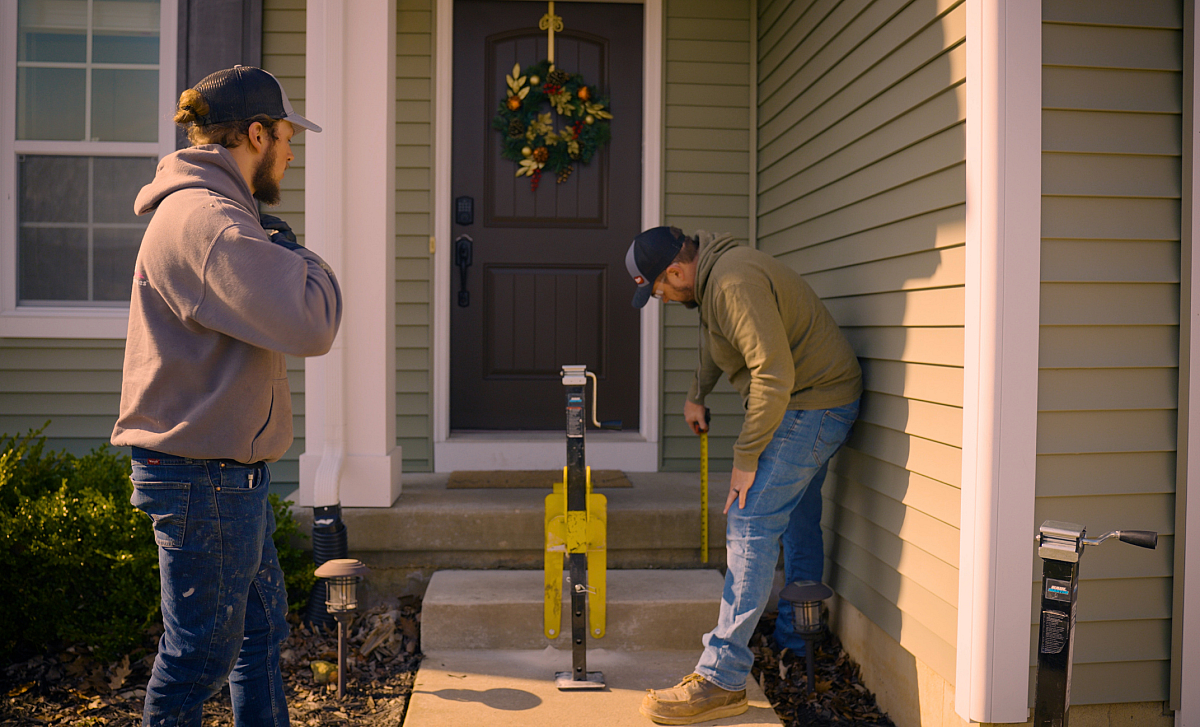
Local Concrete Repair: How Ayers Leveled a Front Porch in Fowlerville, MI
Sunken concrete steps and sidewalks can create trip hazards. Learn how PolyLevel® restores safety in Michigan and Northern Indiana.
-
What Is PolyLevel®? The Fastest Way to Lift and Repair Concrete
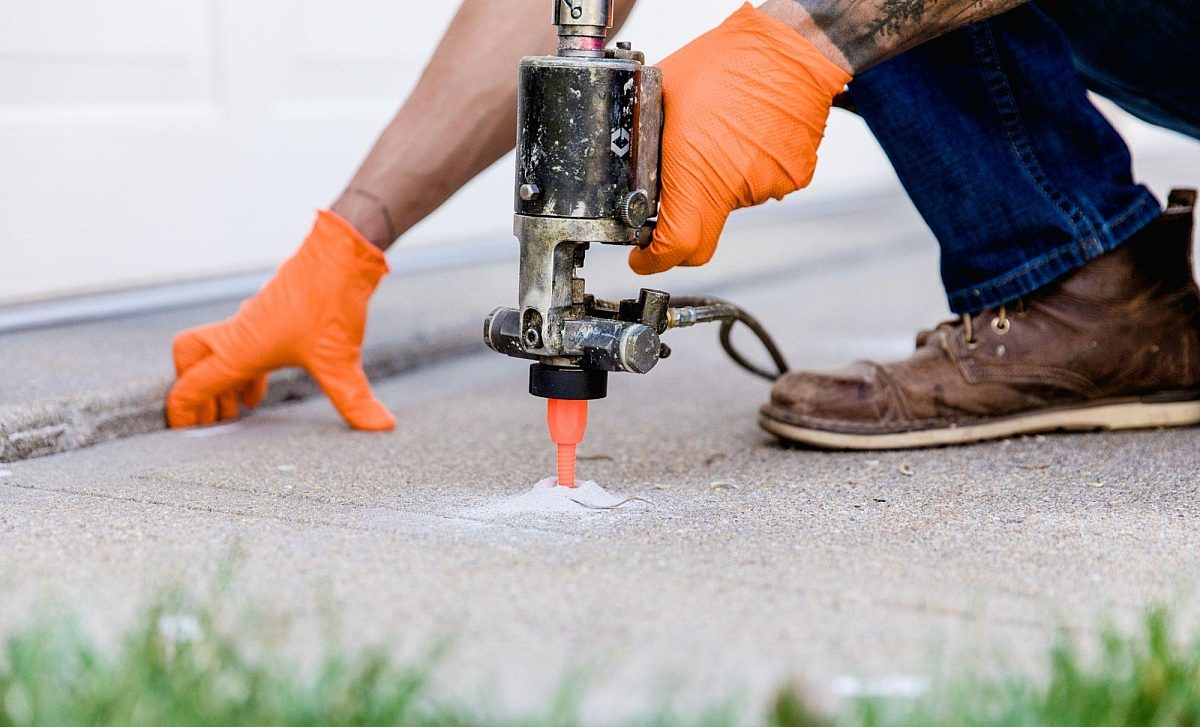
What Is PolyLevel®? The Fastest Way to Lift and Repair Concrete
Learn how PolyLevel® provides a fast, clean way to lift and stabilize concrete without replacement or long downtime.
-
The Best Way to Fix Uneven Concrete Driveways and Sidewalks
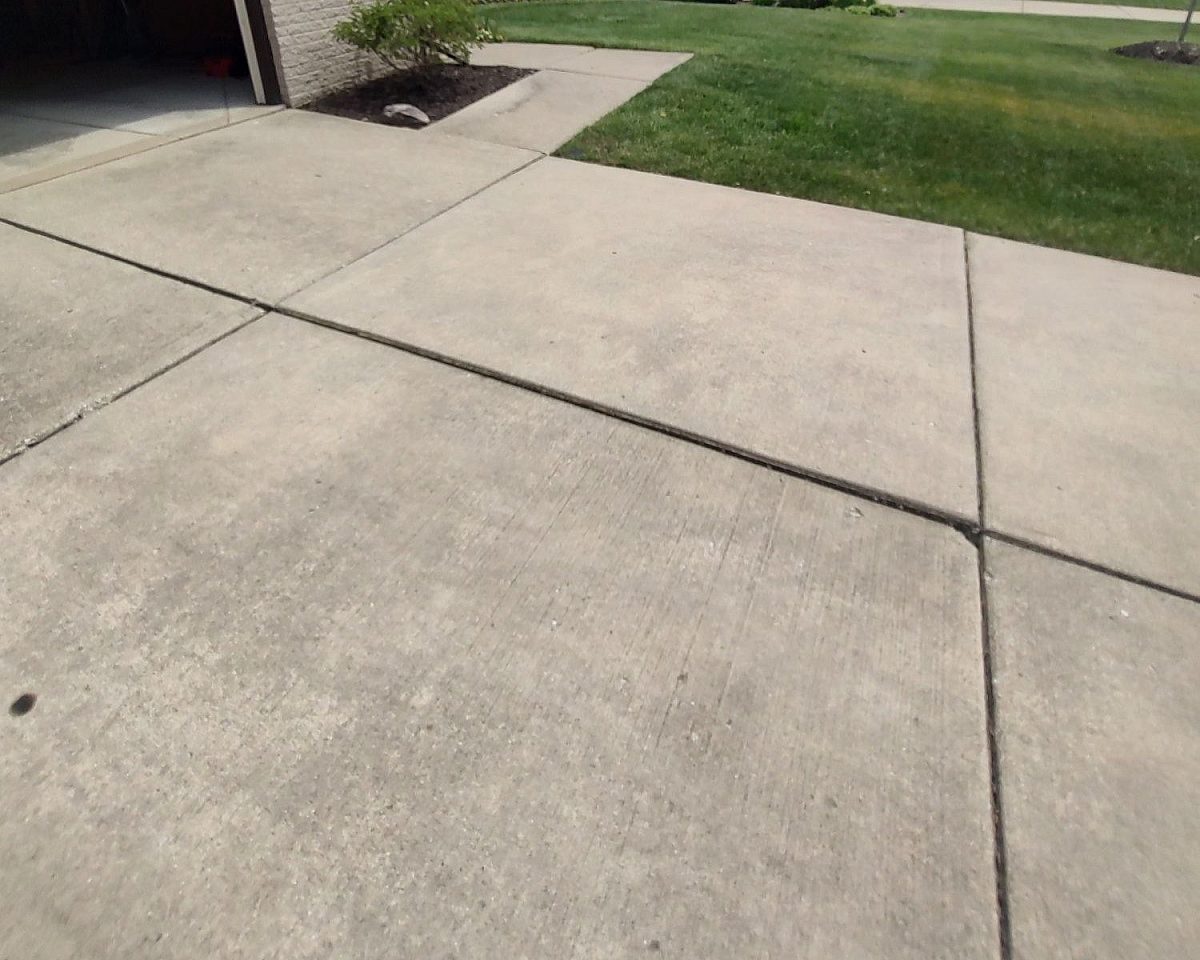
The Best Way to Fix Uneven Concrete Driveways and Sidewalks
For many homeowners, uneven concrete is one of those problems that’s easy to ignore.

