
Should You Seal the Cracks in Your Concrete Driveway?
Driveway cracks can let water reach the soil below. Learn how sealing concrete cracks and joints can help protect your driveway.
Concrete driveway cracks may start small, but leaving them open gives water an easy path beneath the slab. Over time, moisture can soften or erode the supporting soil, contributing to additional cracking, settlement, and uneven concrete. Michigan’s changing seasons and freeze-thaw cycles can add even more stress.
So, should you seal cracks in a concrete driveway? In many cases, yes. Sealing cracks and joints can help keep water out, protect the soil beneath your driveway, and reduce the conditions that contribute to future concrete damage.
Why Do Concrete Driveway Cracks Need to Be Sealed?
Concrete is durable, but it naturally experiences movement as temperatures and soil conditions change.
Once a crack or joint opens, rain and melting snow can travel beneath the slab. That water can affect the soil supporting the concrete. If enough support is lost, sections of the driveway may begin to settle, creating uneven surfaces and larger gaps.
Sealing these openings helps create a barrier against water intrusion and protects the soil supporting the slab.

Concrete Cracks vs. Expansion Joints: What’s the Difference?
Not every line in your driveway is a crack.
Expansion and control joints are intentionally incorporated into concrete to accommodate movement or help control where cracking occurs. Concrete expands and contracts as temperatures change, and joints give that movement somewhere to happen.
Cracks, on the other hand, can develop as concrete experiences stress, soil movement, settlement, or other changing conditions.
While they’re different, both cracks and joints can become pathways for water. That’s why protecting these openings is an important part of maintaining a concrete driveway.
Can You Just Seal an Uneven Driveway?
This is an important distinction: sealing a crack won’t lift a sunken concrete slab.
If a driveway has settled and become uneven, the underlying problem may need to be addressed first. PolyLevel® can be used to fill voids beneath settled concrete, stabilize the area below, and lift the slab toward its original position.
Once the concrete is properly leveled, cracks and control joints can be sealed with NexusPro® Joint Sealant. NexusPro® is a silicone-based sealant designed to remain flexible as concrete moves. It also resists UV exposure and weather while helping keep moisture from reaching the soil below.
Lifting and Sealing a Driveway in Livonia, MI
Mike, a Livonia homeowner near Fox Creek Golf Course, was dealing with an uneven driveway that needed more than a cosmetic fix. Sections of the concrete had settled, leaving the surface uneven and opening joints where water could make its way beneath the slabs. Rather than replacing otherwise usable concrete, Mike wanted to restore and protect the driveway he already had.
Our team lifted and stabilized the settled concrete to create a more even surface, then sealed the driveway’s joints to help keep water from reaching the soil below. The completed repair gave Mike a smoother, cleaner-looking driveway while addressing the conditions that can contribute to future settlement.

Driveway Crack Sealing
Frequently Asked Questions
-
Yes. Sealing driveway cracks and joints helps prevent water from reaching the soil beneath the slab. Reducing water intrusion can help limit soil erosion that contributes to concrete settlement and additional cracking.
-
An expansion joint is a planned gap that provides space for concrete to expand and contract as temperatures change. This helps relieve stress that could otherwise contribute to uncontrolled cracking.
-
Yes. Protecting the repaired concrete is an important next step. After leveling with PolyLevel®, cracks and control joints can be sealed with NexusPro®to help keep moisture out and accommodate normal concrete movement.
Protect Your Driveway from Future Damage
A crack doesn’t necessarily mean your entire driveway needs to be replaced. Depending on the condition of the concrete, professional leveling and crack or joint sealing may help restore the surface while protecting it against future damage.
If you’re noticing open cracks, widening joints, sinking slabs, or an uneven driveway, get a free estimate from Ayers Basement Systems. Our team can identify what’s causing the problem and recommend a concrete repair solution designed for your home.
-
Before You Replace Your Concrete Driveway, Consider Repair
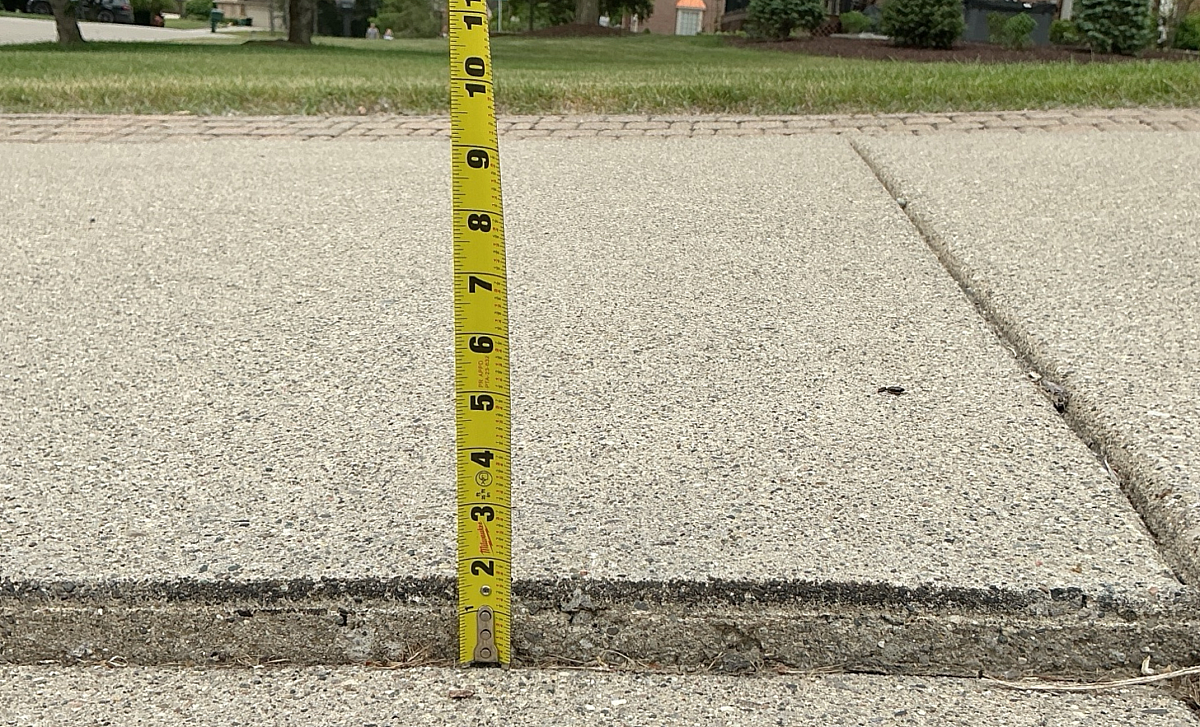
Before You Replace Your Concrete Driveway, Consider Repair
See how we helped one Northville, MI homeowner avoid costly concrete replacement with a custom concrete repair solution.
-
Uneven Concrete Creating a Trip Hazard? Here's How to Repair It
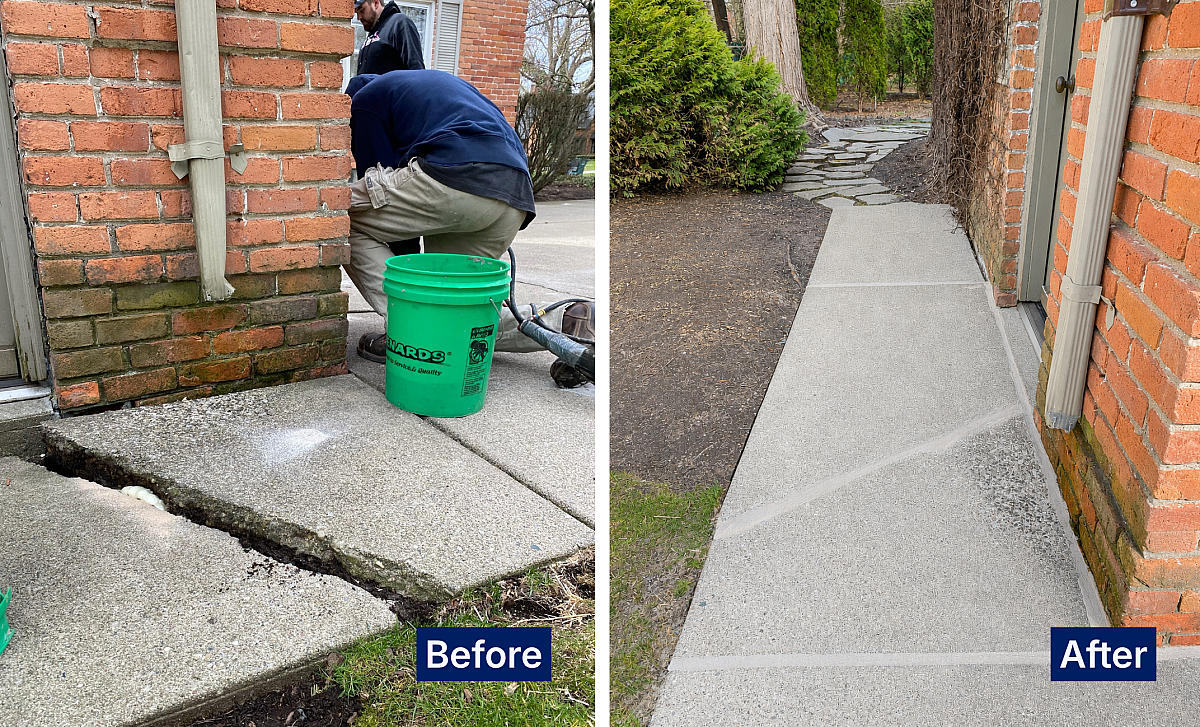
Uneven Concrete Creating a Trip Hazard? Here's How to Repair It
Uneven concrete can create serious trip hazards around your home. See how we helped a Birmingham, MI homeowner level and repair their concrete without replacing…
-
Why Does Concrete Sink? Common Causes of Uneven Driveways, Sidewalks & Patios
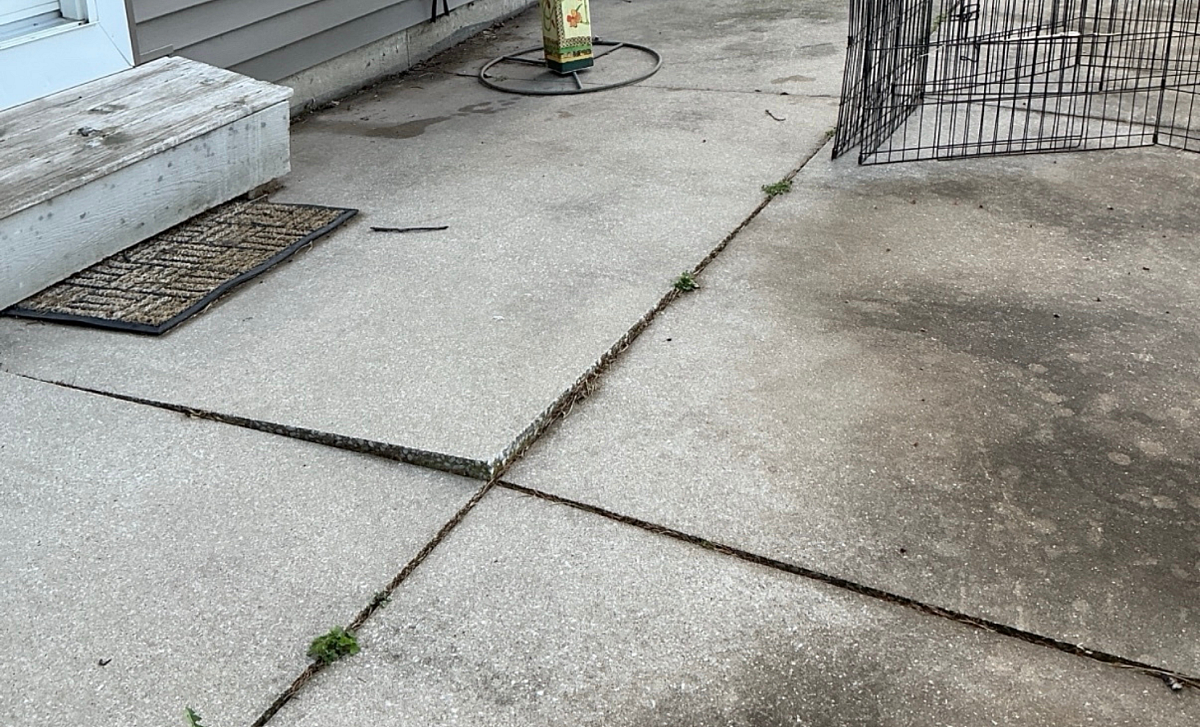
Why Does Concrete Sink? Common Causes of Uneven Driveways, Sidewalks & Patios
Learn why concrete sinks, what causes uneven slabs, and how homeowners can restore driveways, sidewalks, and patios without replacing them.


