
How to Choose the Best Dehumidifier for Your Basement
Learn how to choose the best basement dehumidifier for a drier, healthier home.
Growing up, I have distinct memories of my parents battling a wet basement. Once a day, sometimes several times depending on the weather, my dad would lug the dehumidifier's water tray upstairs to empty it. I can still hear the familiar question, “Honey, did you remember to empty the dehumidifier?”
Thankfully, basement waterproofing and dehumidifier technology have come a long way since the '90s. Today's systems make managing basement moisture easier and more efficient.
How Do You Choose the Best Dehumidifier for Your Basement?
The best dehumidifier for your Michigan or Indiana basement depends on the size of your space, moisture levels, energy efficiency, and drainage options.
When comparing options, consider these key factors:
- Capacity: Choose a dehumidifier sized for your basement and its moisture conditions.
- Energy Efficiency: Look for an energy-efficient dehumidifier designed to remove excess moisture without unnecessarily increasing electricity costs.
- Automatic Drainage: Avoid manually emptying a water reservoir with a system that drains continuously.
- Humidity Control: Look for automatic controls that help maintain a relative humidity of approximately 30–50%.
- Basement Conditions: Choose equipment designed to operate effectively in cooler, damp environments.
At Ayers Basement Systems, we recommend the SaniDry™ XP basement dehumidifier, designed to meet all five of these needs.
Grand Rapids, MI
Dehumidifier

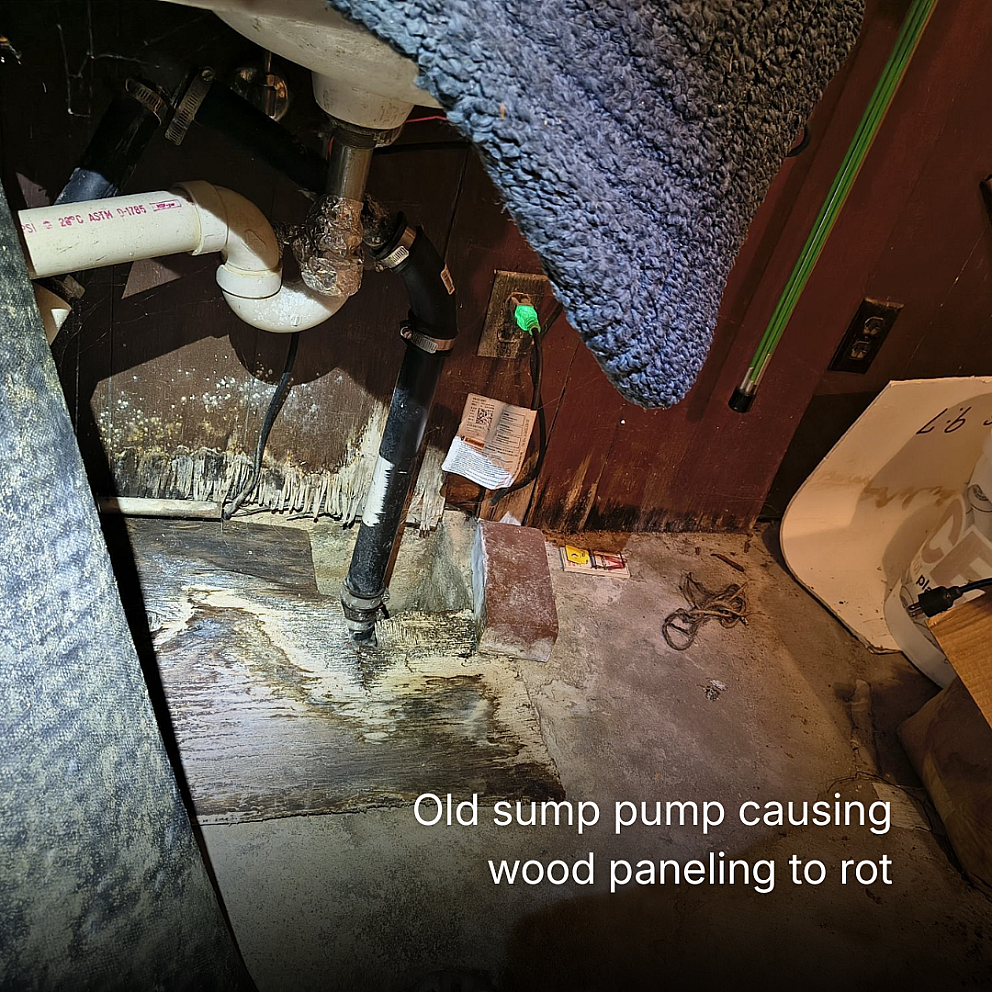
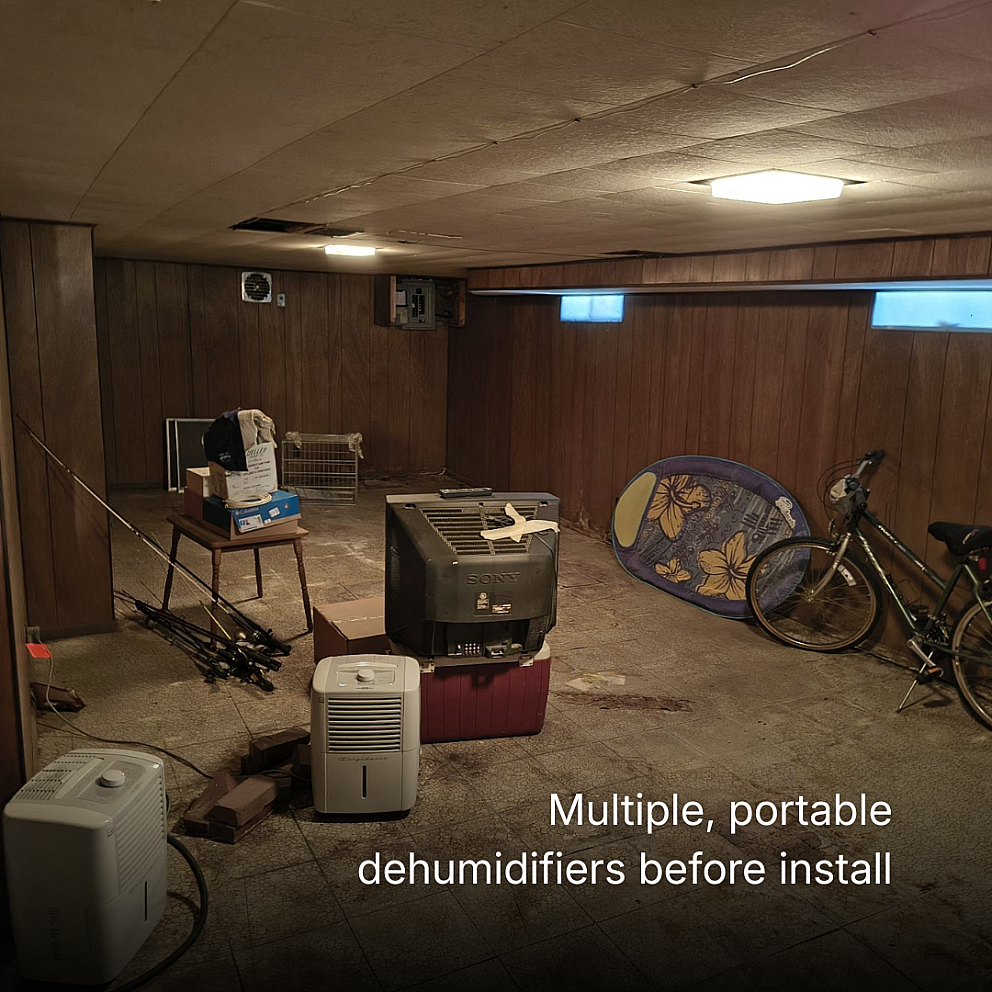
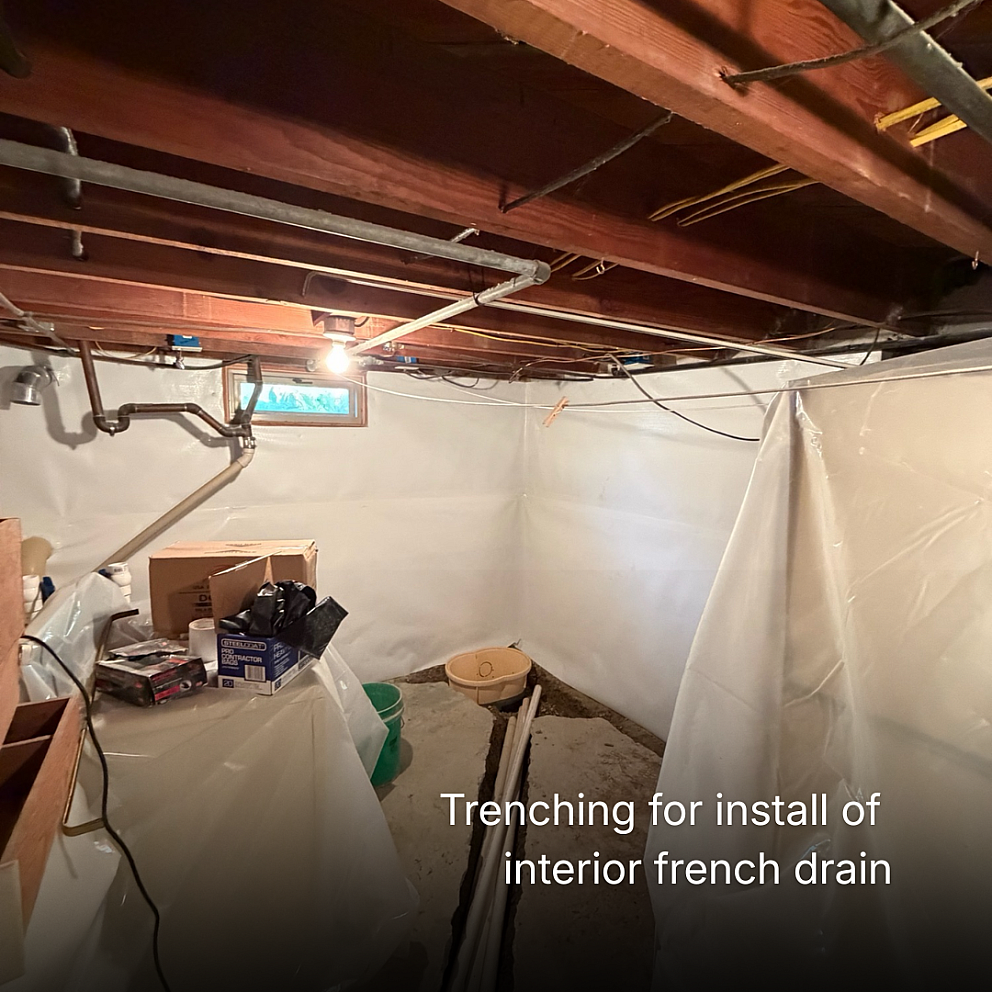
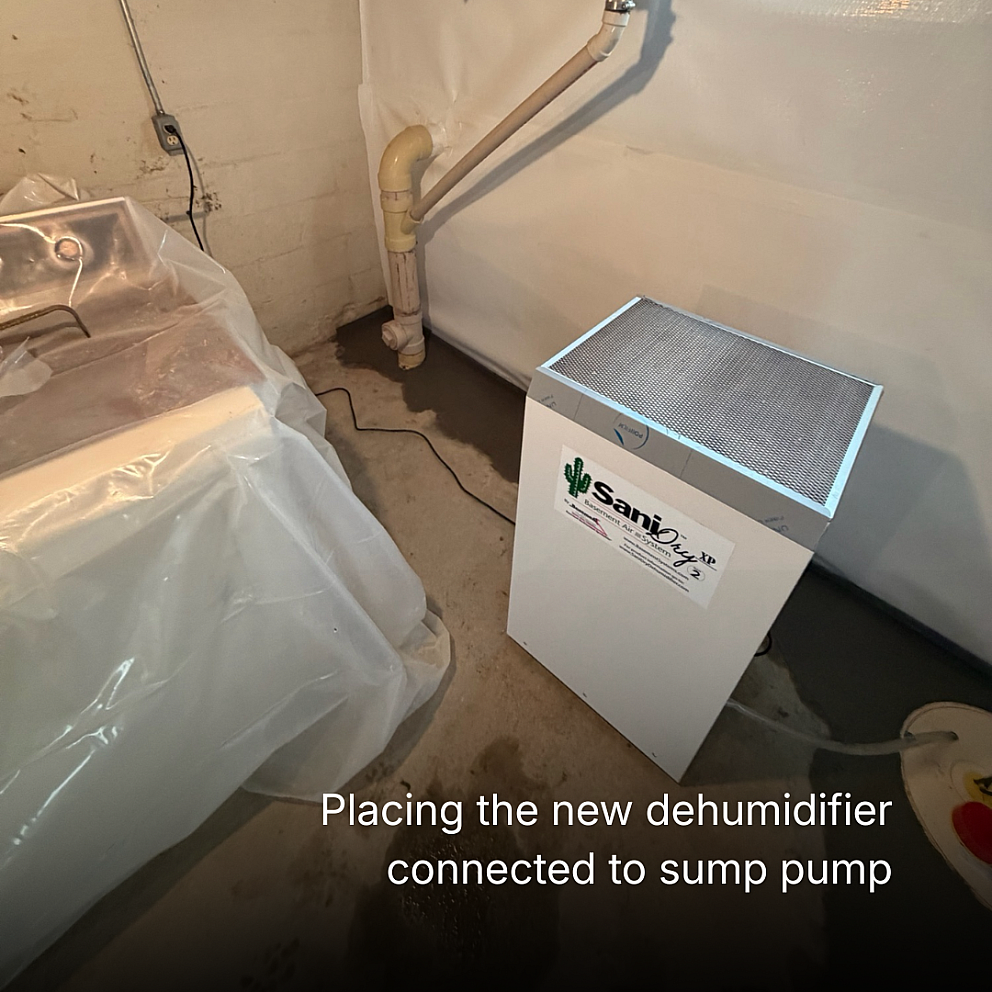
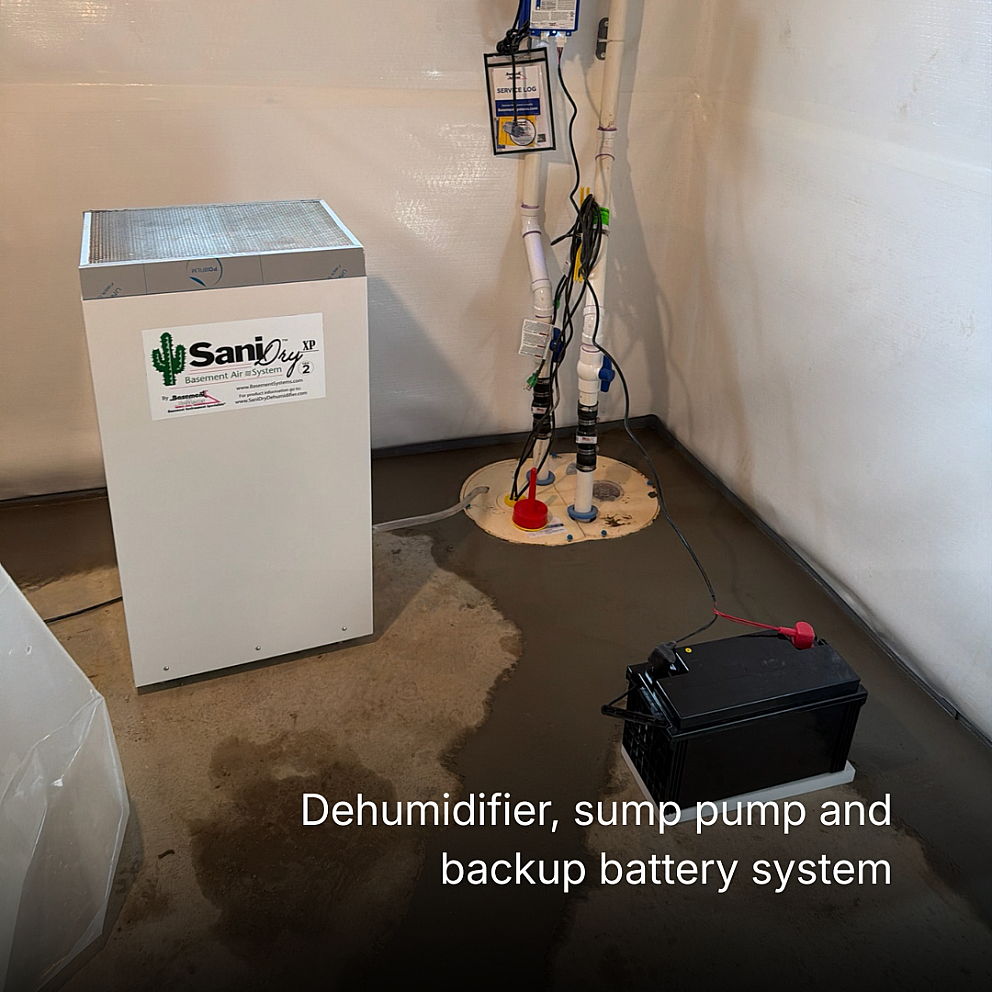
Basement Dehumidifier Installation in Grand Rapids, MI
For over 40 years, homeowners in Grand Rapids, MI, near Blandford Nature Center, had been dealing with basement moisture problems in their home. With a crack in their basement wall and ongoing water concerns, they were finally ready for a permanent solution.
Their goal was simple: a dry, comfortable basement where they could welcome their grandchildren visiting from Iowa without worrying about moisture problems.
Our Ayers Basement Systems team installed a complete basement waterproofing system, that works with their new SaniDry™ XP dehumidifier to help control humidity and improve air quality long.
Products Installed:
- WaterGuard®: An interior drainage system that collects water entering along the basement perimeter and directs it to the sump pump.
- TripleSafe™ Sump Pump: A three-pump system designed to reliably remove collected water from the basement, with battery backup protection.
- SaniDry™ XP Dehumidifier: Removes excess moisture from the basement air, automatically controls humidity, and continuously drains collected water without the need to empty a reservoir.
- CleanSpace® Wall System: A durable wall vapor barrier that helps control moisture entering through basement walls and directs water to the drainage system.
Get Started with a Free Estimate
Whether you're in Grand Rapids, elsewhere in Michigan, or Northern Indiana, Ayers Basement Systems is here to help you create a drier, healthier home. Our team offers free, no-obligation estimates to help you find the right dehumidifier for your basement or crawl space. Schedule your free estimate today and take the first step toward a more comfortable, moisture-controlled home.
Related Job Stories: See how our team installed a complete basement waterproofing system with dehumidifier for a Lansing Home.
-
Why Your Home Feels Damp and Humid During Summer Months

Why Your Home Feels Damp and Humid During Summer Months
Summer humidity inside your home often starts below it, causing damp air, odors, and discomfort.
-
How Do I Air Out My Crawl Space?

How Do I Air Out My Crawl Space?
Why crawl spaces stay damp, smell musty, and how proper encapsulation keeps your home dry.
-
Basement Smells Musty? Moisture and Mold Are Likely the Cause

Basement Smells Musty? Moisture and Mold Are Likely the Cause
Wondering why your basement smells musty? Learn how moisture, mold, and airflow cause odors and how to fix them.


