
How Does Cracked Concrete Floor Repair Work?
See how an Oxford, MI homeowner tackled cracked concrete floor repair in his basement, garage, and around his home.
An Oxford, MI homeowner had a smart plan: purchase a home for his son to live in during college, make improvements along the way, then sell it after graduation. Several concrete surfaces needed attention, including the driveway, patio, garage, and basement floor. While the indoor floors showed signs of previous patching, the cracks and damage kept returning. He called Ayers seeking a more lasting concrete repair solution, we walked him through what was happening below the concrete floor and provided a free estimate for repair.
Why Does a Concrete Floor Keep Cracking After Repair?
Patching a concrete crack can improve its appearance, but it doesn’t always address why the concrete cracked in the first place. When the soil or fill beneath a slab settles, the concrete can lose the support it needs. Even previously repaired cracks may reopen as the slab continues to shift.

Common factors behind recurring concrete floor cracks include:
- Soil settlement: Soil beneath the slab compresses or shifts, leaving sections of concrete unsupported.
- Poorly compacted fill: Loose fill beneath basement or garage floors can settle gradually over time.
- Moisture changes: Water can wash away or soften supporting soil, contributing to voids beneath the concrete.
- Freeze-thaw cycles: In Michigan, repeated freezing and thawing can contribute to movement beneath concrete slabs.
- Surface-only repairs: Filling a crack addresses the visible damage but not an underlying void or unstable slab.
A Better Solution for Cracked Concrete in Oxford, MI
With his son planning to attend Oakland University, this Oxford homeowner wanted to make improvements that would keep the home comfortable during college and prepare it for resale after graduation. With cracks and uneven concrete affecting a variety of spaces, simply patching the surfaces again wasn’t the answer.
Rather than replacing otherwise repairable concrete or continuing with temporary patches, our specialist recommended PolyLevel® to stabilize and lift the slabs, addressing the underlying settlement that had allowed cracks to return.
What Is PolyLevel® for Leveling Concrete?
PolyLevel® is a polyurethane foam concrete leveling system injected beneath a slab to fill voids, restore support, and lift sunken concrete. Because it works beneath the slab, PolyLevel can be used to repair concrete in a variety of indoor and outdoor spaces. When paired with flexible and durable NexusPro® to fill the crack you have a long-lasting system to prevent reoccurring issues.

Get Started with a Custom Concrete Repair Estimate Today
From cracked basement and garage floors to uneven driveways, patios, and walkways, recurring concrete problems don’t have to mean replacement. Whether you’re in Oxford, elsewhere in Michigan, or Northern Indiana, schedule your free concrete repair estimate today and let our team design the right solution for your home.
Related Job Stories: PolyLevel isn't just for repairing residential spaces, it also has the capacity to stabilize commercial and community concrete areas as well. See how our team used PolyLevel to repair the Fish Ladder in Lansing, MI:
-
Repairing vs. Replacing Your Concrete
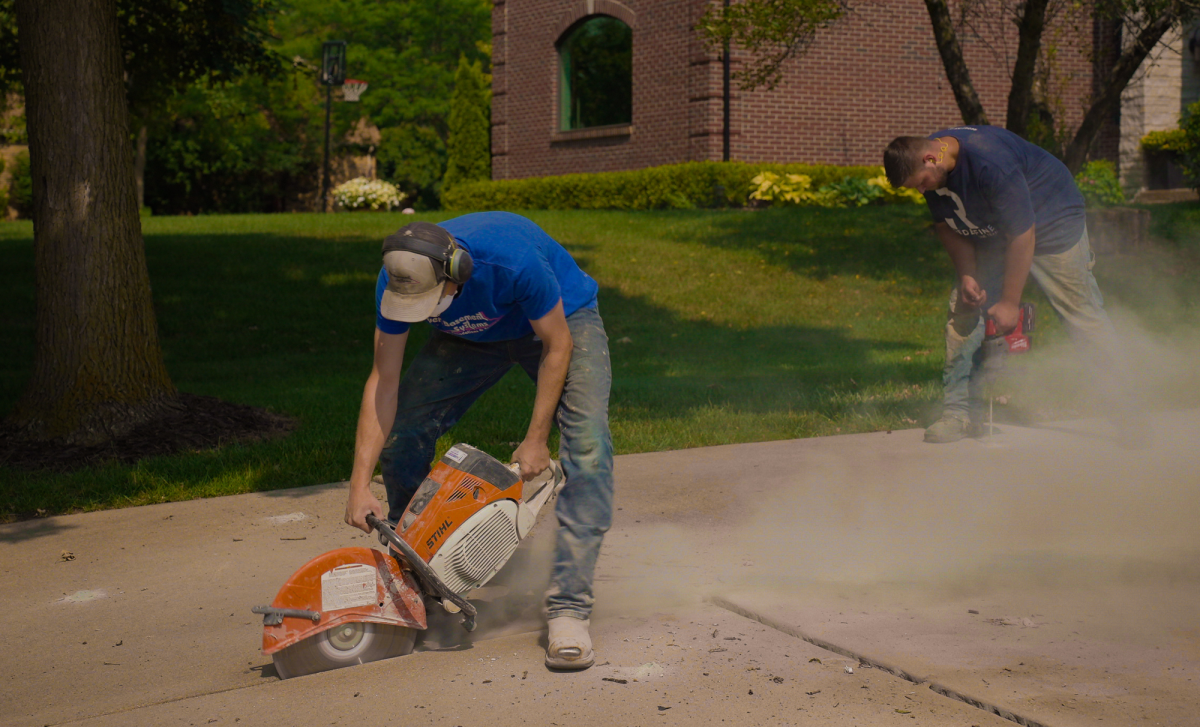
Repairing vs. Replacing Your Concrete
Cracked, sinking concrete hurts curb appeal and safety, but replacement isn’t always the best solution.
-
Can Cracked Concrete Be Repaired Instead of Replaced?
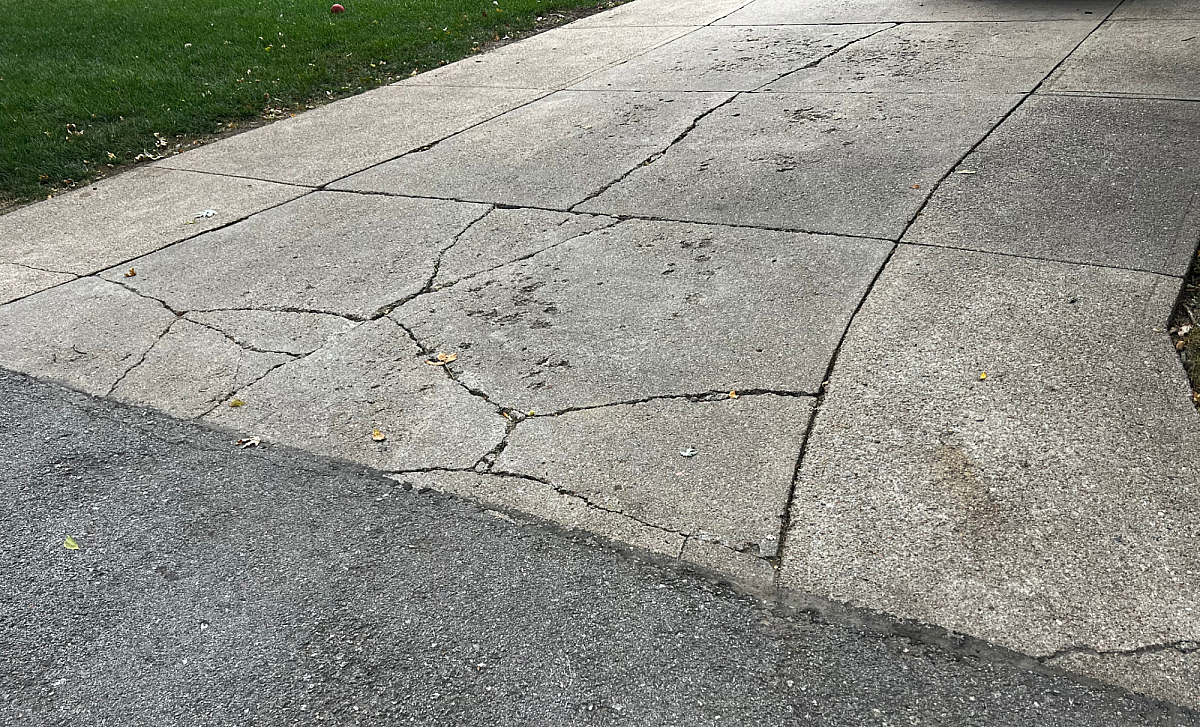
Can Cracked Concrete Be Repaired Instead of Replaced?
At Ayers, we help homeowners in Troy, MI, not only lift and level their concrete, but also protect it with permanent joint sealant.
-
Concrete Repair Solutions: How to Fix Cracks, Spalling & Sinking Slabs
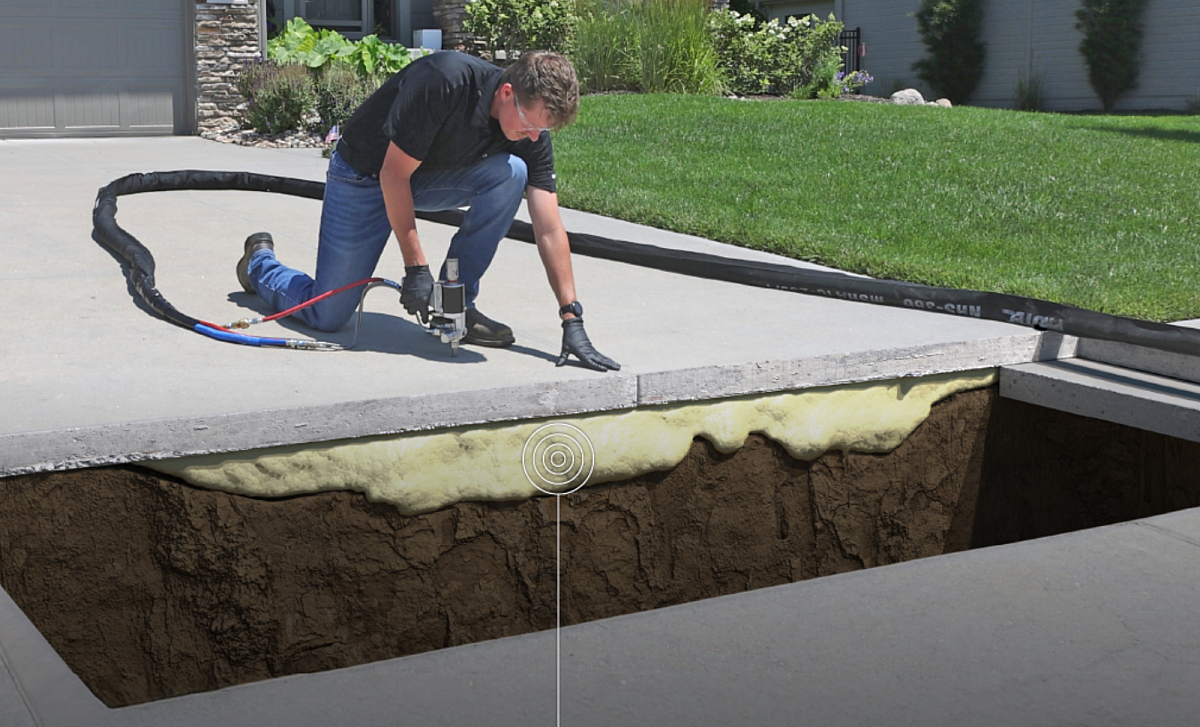
Concrete Repair Solutions: How to Fix Cracks, Spalling & Sinking Slabs
Learn how to identify common concrete problems and discover effective repair solutions that restore safety, stability, and long-term durability to your home’s s…


