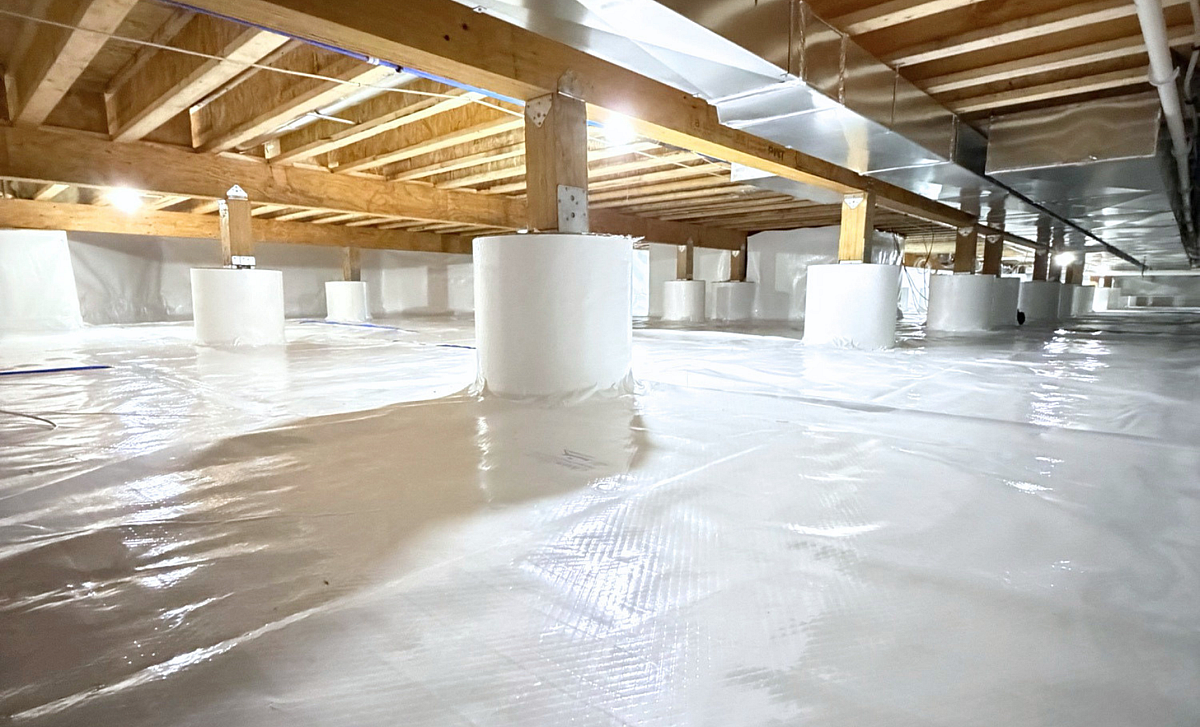
Winter Crawl Space Checklist: 5 Things Michigan Homeowners Should Check
Is your crawl space ready for Michigan winter? Use this simple checklist to spot moisture, insulation, and cold-weather concerns before they worsen.
Michigan winters bring freezing temperatures, snow, and plenty of moisture. While homeowners are busy preparing their roofs, gutters, and heating systems, one area often gets overlooked: the crawl space.
Even though it's hidden beneath your home, your crawl space can affect indoor comfort, energy efficiency, and moisture levels throughout the winter. Before temperatures drop too far, here are five things worth checking.
1. Look for Standing Water or Damp Areas
Winter doesn't mean moisture problems disappear. Melting snow, groundwater, and changing temperatures can all contribute to water collecting beneath your home. Check for standing water, damp soil, water stains, or musty odors. These can indicate drainage issues that may worsen during winter thaws or spring snowmelt.
If water is regularly entering your crawl space, professional crawl space waterproofing may help address the source.
2. Check for Cold Floors and Missing Insulation
Are the floors above your crawl space noticeably colder in winter? Poor insulation and air leaks beneath your home may be contributing to the problem.
Look for fallen, damaged, or damp insulation, particularly between floor joists. Wet insulation can lose effectiveness and may contribute to moisture-related problems. Proper crawl space insulation and air sealing can help improve comfort and reduce heat loss.
3. Watch for Excess Humidity and Condensation
Even during colder months, crawl spaces can experience moisture problems. Condensation on pipes, damp wooden supports, and musty odors are all signs worth investigating. Ideally, crawl space humidity should remain below 60% to help discourage mold growth. A properly sized crawl space dehumidifier can help maintain more consistent moisture levels.
4. Inspect Your Crawl Space Vapor Barrier
If your crawl space has exposed dirt, moisture from the ground can evaporate into the space beneath your home. If you already have a vapor barrier, look for visible tears, gaps, or sections that have shifted out of place. These openings can allow ground moisture to enter.
Professional crawl space encapsulation helps separate the crawl space from exposed soil and manage moisture more effectively.
5. Check for Drafts and Exposed Pipes
Cold air entering through crawl space openings can contribute to uncomfortable floors and increase the risk of frozen pipes. Look for obvious gaps around vents, access doors, and utility penetrations. Also check whether exposed water pipes are properly insulated and protected from freezing temperatures.
Avoid blocking necessary ventilation or altering crawl space openings without understanding your home's existing moisture-control system.
Crawl Spaces in Winter
Frequently Asked Questions
-
Yes. Water pipes in poorly insulated or drafty crawl spaces can freeze when temperatures drop. Proper pipe insulation, air sealing, and appropriate temperature protection can help reduce the risk.
-
It depends on your crawl space design. Closing vents in a traditional vented crawl space may help limit cold air entering during winter, but it can also affect moisture levels and ventilation. Professionally encapsulated crawl spaces are typically designed with sealed vents as part of a complete moisture-control system. Before closing or sealing your vents, it's important to understand how your crawl space manages moisture.
-
It can. When combined with appropriate insulation and air sealing, crawl space encapsulation can help reduce cold air infiltration and improve comfort in rooms above the crawl space.
-
Yes. When snow begins to melt, water can saturate the soil around your foundation and eventually find its way into your crawl space. Homes with poor drainage or existing moisture problems may be especially vulnerable during winter thaws and early spring. Proper crawl space drainage and a sump pump can help manage this water before it collects beneath your home.
Protect Your Crawl Space This Winter
A little attention now can help you identify crawl space concerns before winter weather makes them worse. If you've noticed cold floors, standing water, damaged insulation, or musty odors, Ayers Basement Systems can help.
Serving homeowners throughout Michigan and Northern Indiana, Ayers offers customized crawl space repair, waterproofing, and encapsulation solutions.
Get a free estimate and take the first step toward a more comfortable, protected home this winter.
-
Why Are My Floors So Cold in Winter? A Project Story in Huntington Woods, MI
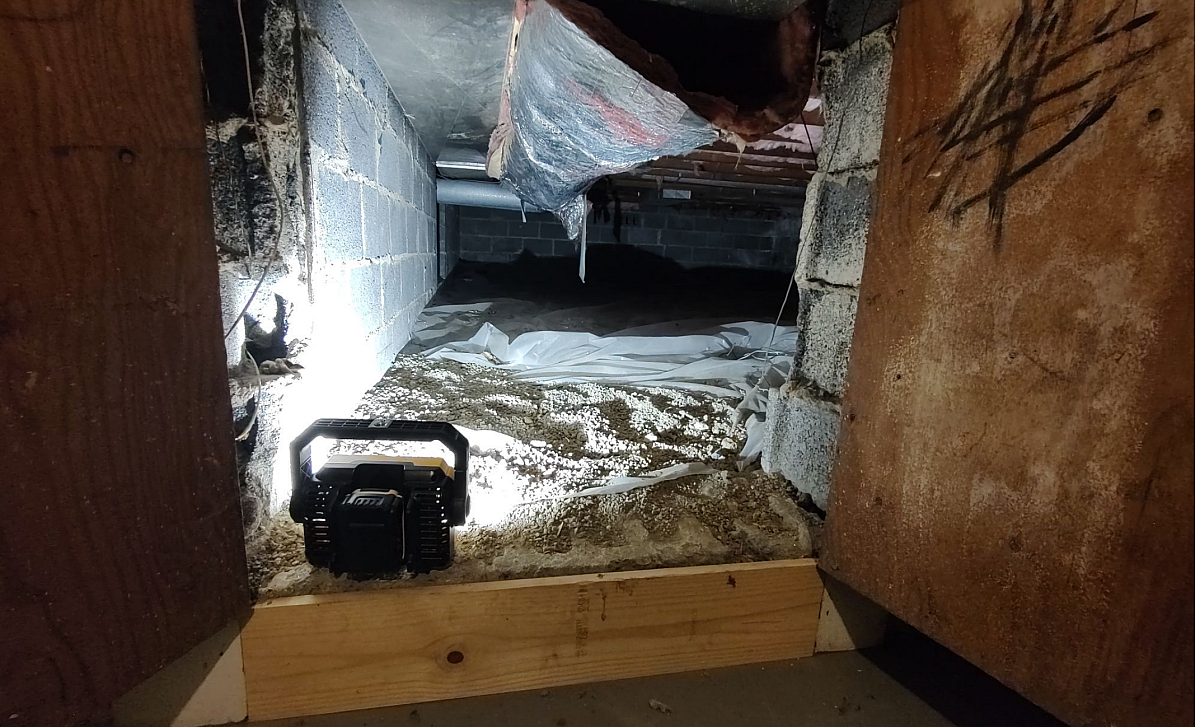
Why Are My Floors So Cold in Winter? A Project Story in Huntington Woods, MI
See how one Huntington Woods homeowner addressed cold, uncomfortable floors by improving the crawl space beneath their home.
-
How Should You Insulate a Basement or Crawl Space?
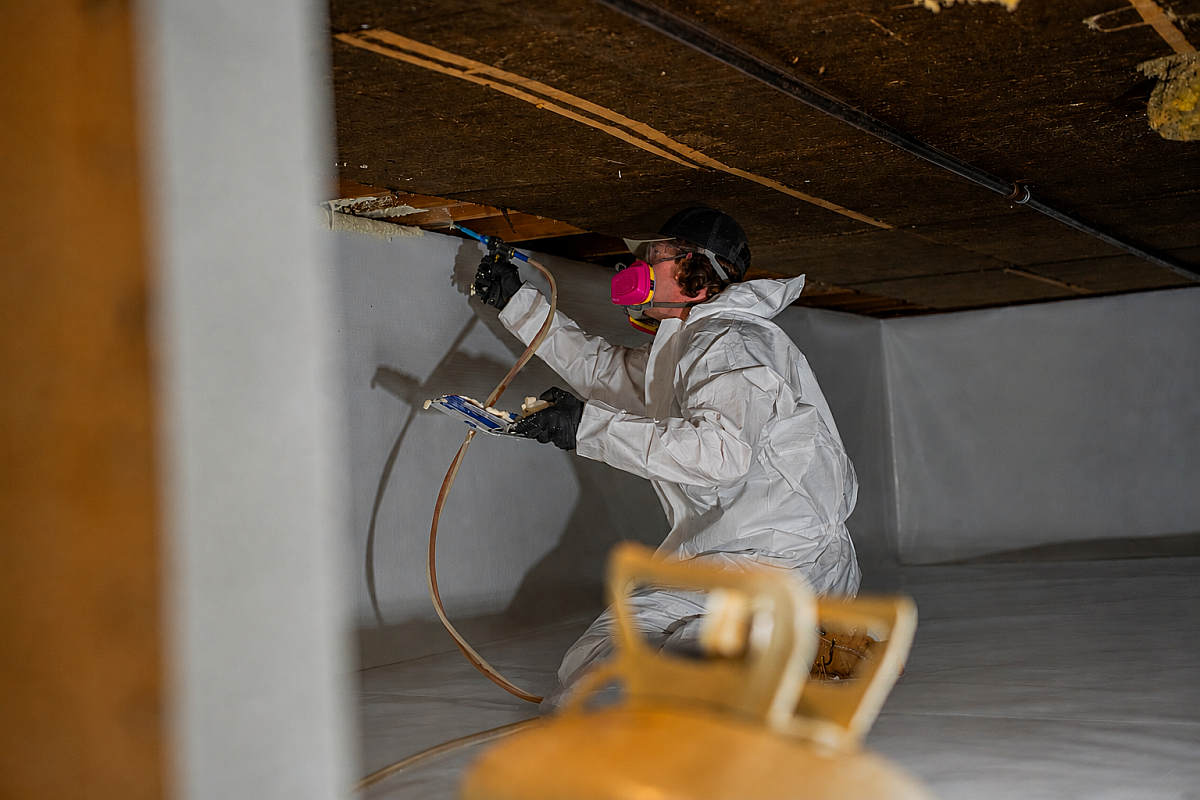
How Should You Insulate a Basement or Crawl Space?
Learn how rim joist insulation with spray foam, and other insulation options can improve comfort and energy efficiency in your home.
-
Cold Floors? Musty Smell? It Could Be Your Crawl Space.
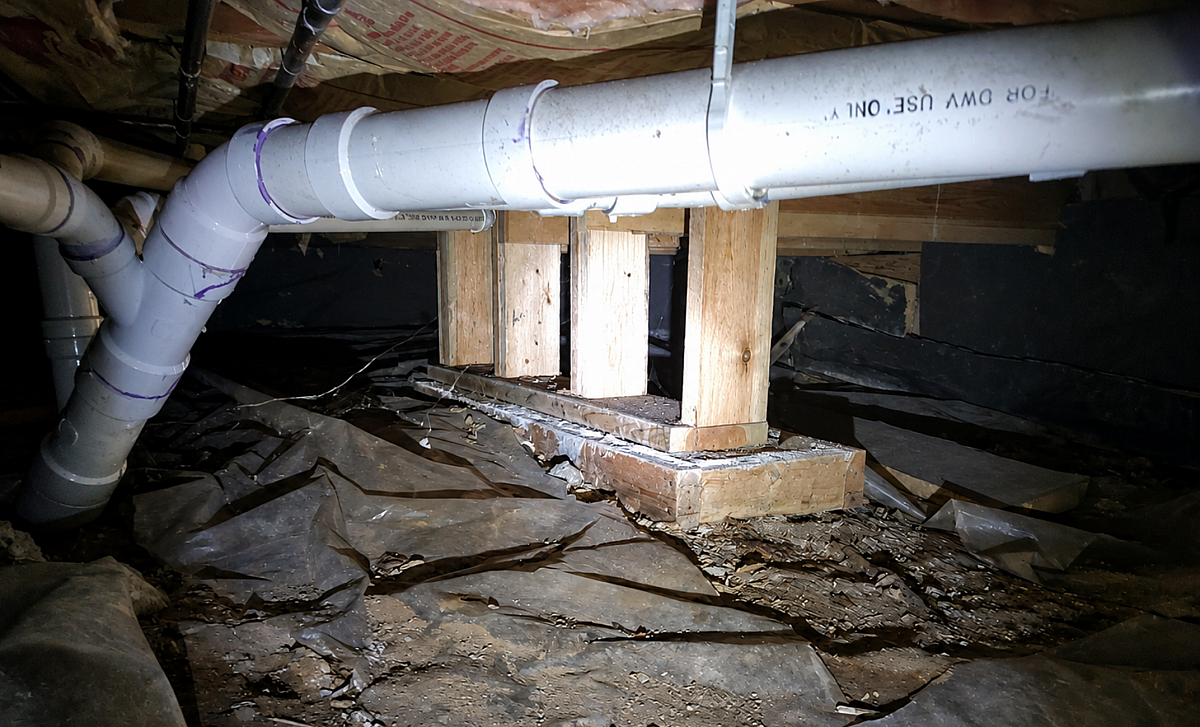
Cold Floors? Musty Smell? It Could Be Your Crawl Space.
Learn how crawl space waterproofing and encapsulation helped a Plymouth, MI homeowner eliminate cold floors, reduce musty odors, and create a warmer, healthier …