
Why Is My Basement Getting Water After Snow Melt and Heavy Rain?
Basement flooding after snow melt? Learn why it happens and how to permanently fix it.
If your basement is suddenly getting water after the recent snow melt and heavy rain, you are not alone. Across Royal Oak and the surrounding Detroit suburbs, homeowners are seeing:
- Water along the basement walls
- Puddles forming on the floor
- Sump pumps running nonstop
- Damp carpet or musty smells
- New foundation cracks
When temperatures rise quickly and snow melts all at once, the ground becomes saturated. If temperatures drop again, pressure increases even more.
Here’s why this happens and what actually fixes it.
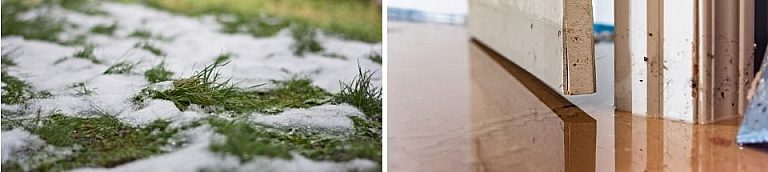
Why Snow Melt Causes Basement Leaks
When snow melts rapidly, a large volume of water enters the soil at once. If rain follows, the ground cannot absorb it fast enough. That water builds up around your foundation.
This creates hydrostatic pressure, the force of water pushing against your basement walls and floor.
Water will find the easiest path inside, including:
- Hairline wall cracks
- The joint where the wall meets the floor
- Porous concrete
- Existing foundation damage
Many Royal Oak homes in neighborhoods such as Northwood, Washington Heights, and Vinsetta Park have aging foundations that are especially vulnerable during Michigan’s harsh freeze-thaw cycles. When moisture seeps into small cracks in older concrete or block walls, it freezes and expands, widening those cracks each winter if left unaddressed. Over time, this repeated expansion can lead to bowing walls, water intrusion, and costly structural repairs.
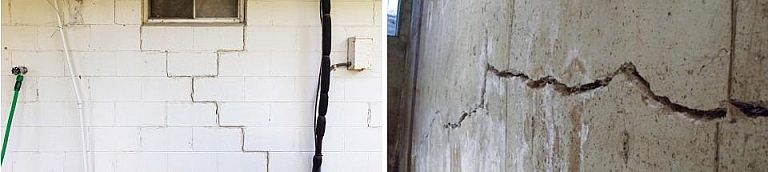
Why It Gets Worse With Freeze-Thaw Cycles
After a warm spell, when temperatures drop below freezing again, several things happen beneath the surface:
- Saturated soil freezes and then expands
- Pressure against foundation walls increases
- Small cracks widen as expanding moisture forces them apart
This constant cycle of freezing and thawing repeatedly stresses your foundation. If you are seeing water now, it is often a sign that pressure has been building over time.
Water intrusion is rarely random. It is usually a pressure problem.
What Actually Stops Basement Flooding in Royal Oak?
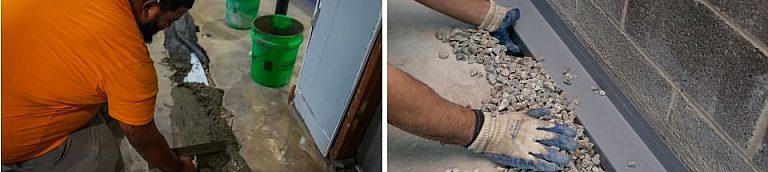
The most reliable and long-term solution is an interior, full-perimeter basement waterproofing system. This system is designed to capture water entering your home due to hydrostatic pressure and direct it into a drainage channel installed along your foundation.
Interior Drainage System
Installed along the perimeter of your basement floor, this system:
- Captures groundwater
- Relieves pressure
- Directs water safely to a sump pump
Instead of blocking water, it manages and redirects it.
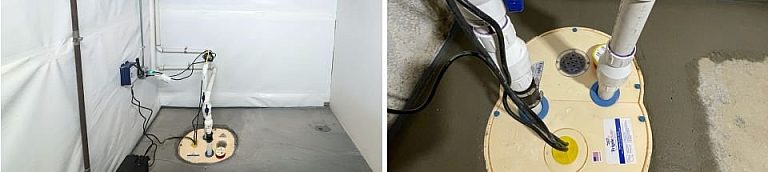
High-Performance Sump Pump System
During heavy snowmelt and rain, basic sump pumps often cannot keep up, failing to allow water to properly exit your basement.
A TripleSafe™ Sump Pump System has:
- A high-capacity primary pump for everyday water removal
- Backup protection with a secondary pump for heavy water flow or pump failure
- A battery-powered backup that operates during power outages
With temperatures dropping again, frozen discharge lines (the pipes that carry water away from your home) are a real concern. These lines should be monitored to ensure water can properly exit your system and prevent backups or potential basement flooding.
Foundation Crack Repair
If hydrostatic pressure has already caused cracks, professional repair is necessary to:
- Stop active leaks
- Prevent further widening
- Protect structural integrity
Ignoring cracks allows pressure to continue damaging your foundation.
Why Royal Oak Homes Are Especially at Risk
Royal Oak properties often deal with:
- Clay-heavy soil
- Older foundations
- Dense drainage conditions
- Rapid Michigan temperature swings
Clay soil holds water longer, keeping pressure elevated even days after a storm or snowmelt.
If your basement is getting water after snow melt and heavy rain in Royal Oak, it is a sign that your foundation is under stress. Schedule your free estimate with Ayers Basement Systems and protect your home before the next storm.
Frequently Asked Questions
-
As snow melts, the water gradually saturates the soil, creating deep hydrostatic pressure around your foundation. Unlike the brief, often swift drainage of summer rain, the melting snow saturates the ground for extended periods. This prolonged exposure significantly heightens the risk of water entering through cracks or porous walls, making it essential to protect your home.
-
Snow melt itself doesn’t create cracks, but freeze-thaw cycles can make existing cracks worse or evident in your home. As moisture enters small openings in your foundation and freezes, it expands, gradually widening those cracks over time.
-
Not always. A single sump pump can handle normal conditions, but during heavy storms or rapid snowmelt, water volume can exceed its capacity. Backup sump pump systems, especially with battery backups, provide added protection during power outages or extreme weather events.
-
Detroit Basement Waterproofing, Foundation and Cement Repair Pros

Detroit Basement Waterproofing, Foundation and Cement Repair Pros
From foundation repair to waterproofing and concrete leveling, we help Detroit homeowners protect aging homes with reliable, long-lasting solutions built to las…
-
Wet Basement After Rain? The Real Reasons Your Water Problems Don’t Disappear
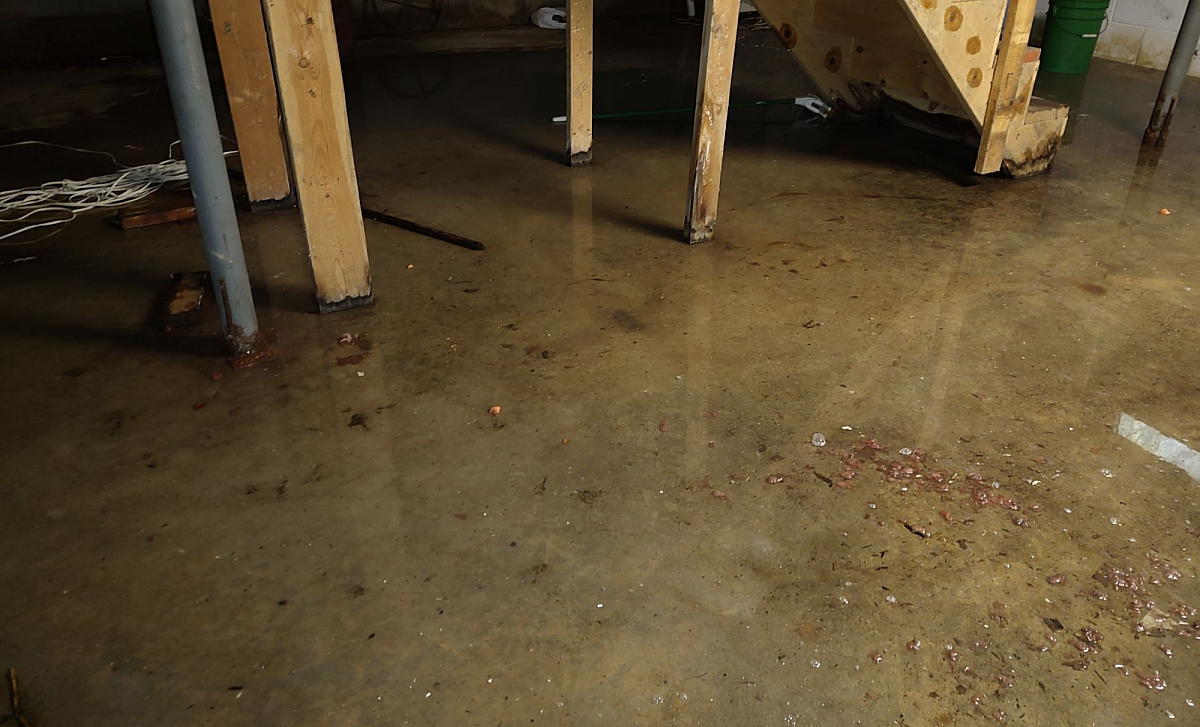
Wet Basement After Rain? The Real Reasons Your Water Problems Don’t Disappear
Even when the rain stops, lingering soil saturation and hidden drainage issues can leave your basement vulnerable, learn why dry spells don’t always mean dry ba…
-
How Snow Melt Affects Indoor Air Quality in Your Home
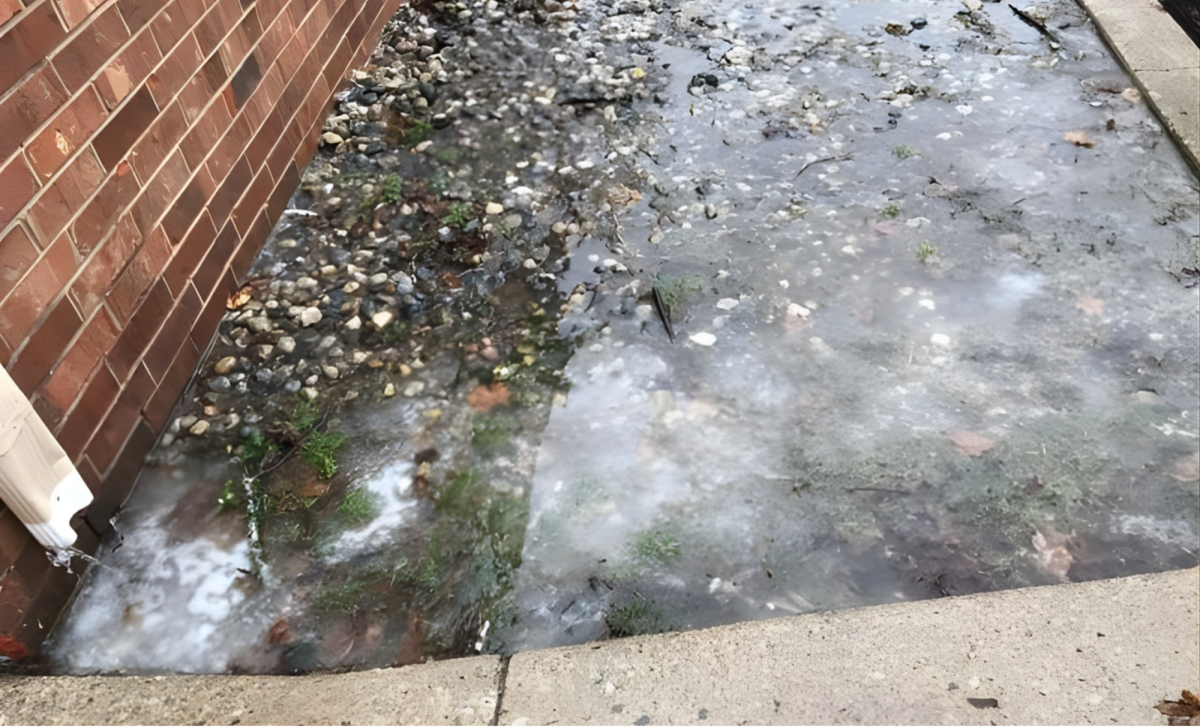
How Snow Melt Affects Indoor Air Quality in Your Home
Snow melt increases moisture in Michigan basements, causing indoor air quality problems and mold growth.

