What Wood Paneling Can Hide in Michigan and Indiana Basements
Wood paneling can hide moisture and mold problems in Michigan and Indiana basements, especially in finished spaces.
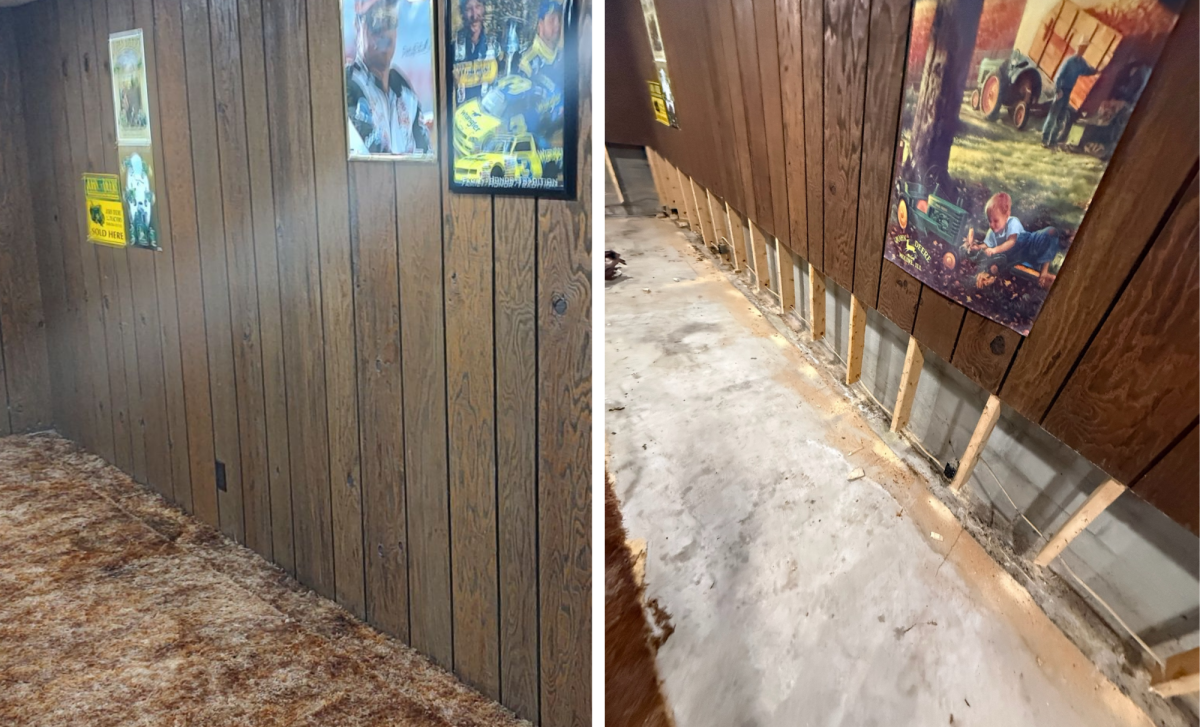
If your basement was finished in the 1980s or 1990s, there’s a good chance wood paneling was part of the design. At the time, it was popular for good reason. It created a warm, comfortable, lodge-like feel that made basements more inviting. The problem is not the look itself, but what wood paneling can hide when moisture is present. Without proper basement waterproofing, hidden moisture can become a recurring concern.
How Wood Paneling Can Hide Mold in Basements
Mold needs moisture and organic material to grow. Basements often have higher humidity and occasional water intrusion, and wood paneling provides an organic surface that can trap moisture.
When moisture enters through foundation walls or floor seams, it can become hidden behind the paneling, allowing mold to grow out of sight for years without obvious warning signs.
Common signs wood paneling may be hiding a moisture or mold problem include:
- Musty or persistent odors in the basement
- Warping, buckling, or visible water damage on wood panels
- Damp carpet or water stains on concrete floors
- Ongoing humidity or condensation in basement
- White residue or water staining on exposed basement foundation areas
Addressing moisture early can help protect both your finished space and your home's structure. Solutions like basement dehumidifiers can help control excess humidity, while drainage systems address water entering through the foundation.
Helping a Homeowner in St. Johns, Michigan Protect His Basement
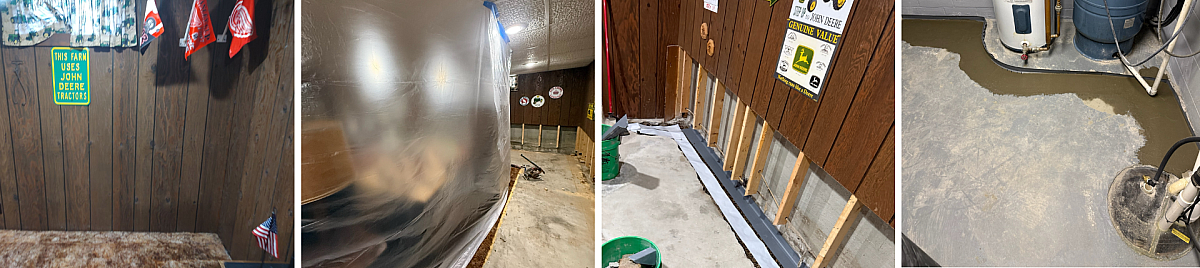
We recently worked with a homeowner in St. Johns who was experiencing water intrusion in his finished basement. Water was soaking into the carpet and seeping in from behind the wood paneling.
The basement wasn’t just extra space. It was his primary hangout area; a place he spent a lot of time relaxing and entertaining. Seeing water damage threaten that space was both frustrating and concerning.
A Targeted Waterproofing Solution
After evaluating where moisture was entering the basement, our team designed a waterproofing solution that worked with the home’s existing systems.
To manage water and protect the finished space, we installed:
- WaterGuard interior drainage system, designed to capture water at the foundation wall and direct it away, then tie into the home’s existing sump pump for safe removal
With the moisture properly managed, the homeowner could move forward knowing his basement was protected and his living space preserved.
Basement Solutions Designed for Your Home
Finished basements should be comfortable, not a source of worry. Because every home is different, especially across Michigan and Indiana, waterproofing solutions should be customized to match the space and how it’s used.
If you have wood paneling in your basement and have noticed signs of moisture, a professional evaluation can help identify what's happening behind the walls. Once water issues are addressed, basement wall coverings and flooring options designed for below-grade spaces can help you create a more comfortable, protected living area.
Wood Paneling and Basement Moisture
Frequently Asked Questions
-
Yes. Mold can grow behind wood paneling when moisture becomes trapped between the paneling and foundation walls. Because the growth may be hidden, homeowners might notice musty odors or water damage before seeing visible mold.
-
If wood paneling has been exposed to water, it's important to investigate the extent of the damage. Wet or mold-damaged materials may need to be removed, especially if moisture has been trapped behind them. Addressing the source of the water is essential before repairing or replacing finished walls.
-
Common warning signs include musty odors, warped paneling, peeling finishes, damp carpeting, and water stains. A professional basement inspection can help identify potential sources of moisture, even when water intrusion isn't immediately visible.
-
A dehumidifier can help control basement humidity, reducing conditions that encourage mold growth. However, it won't stop water entering through foundation walls, cracks, or floor joints. Active water intrusion may require a basement waterproofing system.
-
Basement wall coverings made with moisture-resistant materials are generally better suited for below-grade spaces than traditional wood paneling. Before installing new finishes, it's important to address existing water intrusion and humidity problems to help protect the finished basement.