
Out of Sight, Out of Mind: What’s Really Happening in Your Crawl Space?
Discover what hidden moisture, damaged insulation, and standing water beneath one Royal Oak home revealed about crawl space health.
Most Homeowners Never See Their Crawl Space
Out of sight often means out of mind.
For many homeowners, the crawl space is rarely opened unless there's a problem. But beneath the floors of your home, moisture, damaged insulation, pests, and poor air quality can quietly develop for years without being noticed.
That's exactly what happened when our team visited a home in Royal Oak.
It Started With a Concern About the Home
Kathleen and William initially reached out because they wanted to make their home more comfortable and protect it for the future. They had noticed issues beneath the home and wanted to understand what was really happening in their crawl space.
Once our team entered the crawl space, it quickly became clear that there was much more going on than anyone could see from the access door.
What We Found
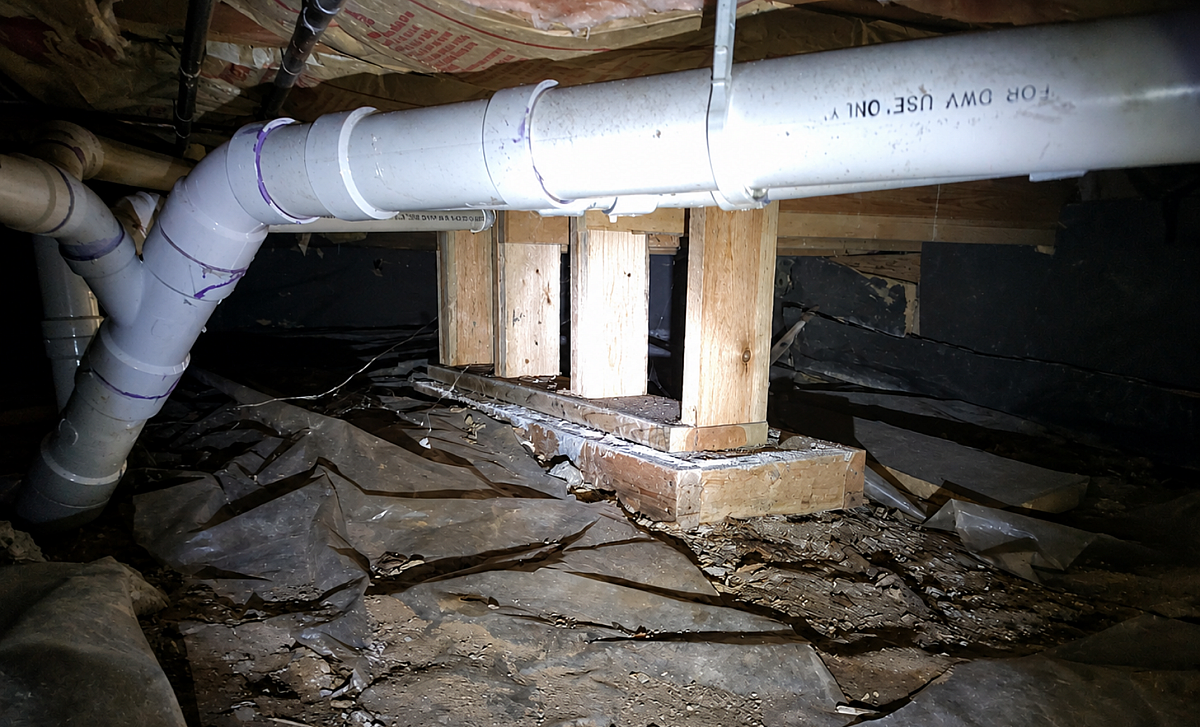
The crawl space had accumulated years of moisture damage and debris.
Our crew removed 65 bags of fallen insulation that had become dirty, damp, and ineffective. We also discovered openings in the rim joists, evidence of pest activity, standing moisture, and even a recently deceased rat. While completing the project, the team identified a leaking hot water line that the homeowners could now repair before it created additional problems.
Every issue on its own may not have seemed significant, but together they painted a clear picture of why the crawl space needed attention.
Before The Repairs


Why These Problems Matter
A neglected crawl space can affect far more than the area beneath your home. Moisture and damaged insulation can contribute to:
- Poor indoor air quality
- Increased humidity
- Mold and mildew growth
- Higher energy bills
- Unpleasant odors
- Wood rot and structural damage
- Cold or uncomfortable floors
Because air naturally moves upward through a home, problems in the crawl space don't always stay there.
Building a Healthier Crawl Space
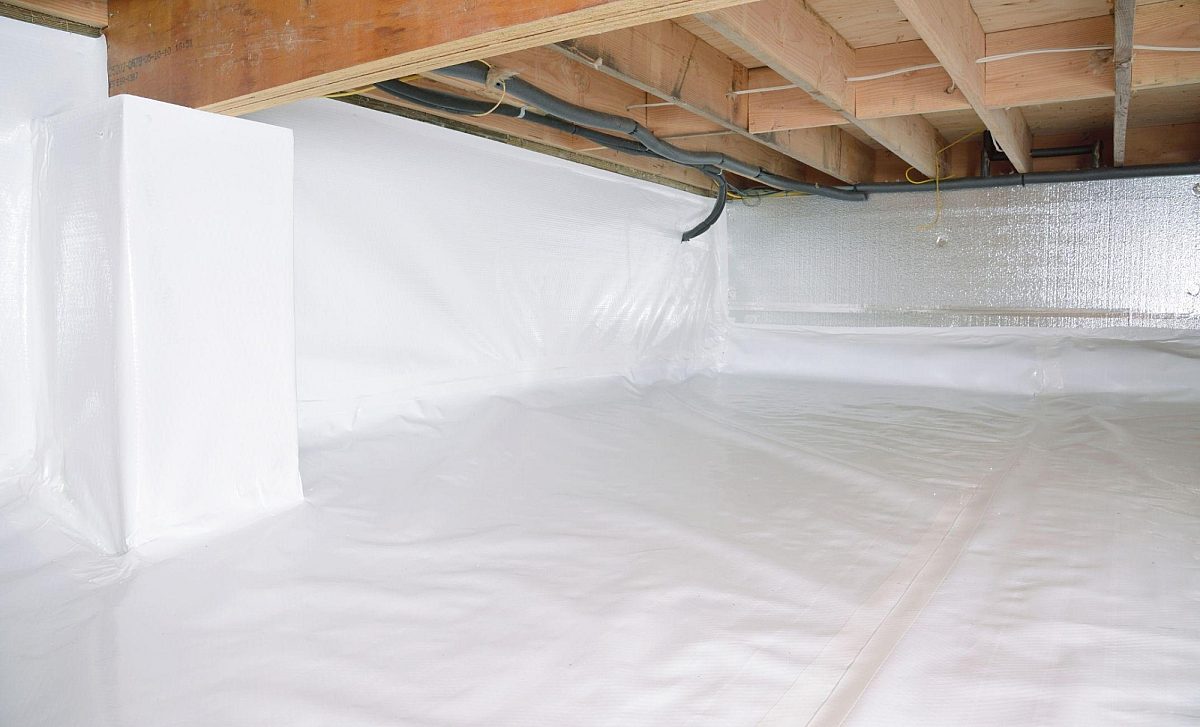
To permanently address the issues, our team completed a full crawl space encapsulation system. The project included:
- Removing damaged insulation and debris
- Installing a drainage system and SmartSump® liner
- Installing TerraBlock™ floor insulation
- Sealing the crawl space with a CleanSpace® vapor barrier
- Insulating the rim joists with spray foam
- Installing a SaniDry™ Sedona dehumidifier
Together, these improvements help control moisture, improve energy efficiency, and create a cleaner, healthier environment beneath the home.

More Than a Crawl Space Repair
As the project progressed, our crew got to know Kathleen and William and learned the story behind their home. Kathleen shared how the original house had been moved on the property before they rebuilt the upper level and added an addition. She also showed the team the handcrafted cutting boards she enjoys making, while William shared stories about his work at Little Caesars Arena. Every morning, their friendly dog was there to greet the crew before work began.
By the end of the project, the crawl space looked completely different. More importantly, Kathleen and William no longer had to worry about odors, moisture, or what was happening beneath their home. They could focus on enjoying the house they had worked so hard to make their own.
Could Your Crawl Space Be Hiding Similar Problems?
Many crawl space issues develop slowly and go unnoticed for years.
It may be time for an inspection if you notice:
- Damp or fallen insulation
- Musty or earthy odors
- High humidity
- Cold floors
- Pest activity
- Standing water or damp soil
- Higher than normal energy bills
A professional crawl space inspection can identify hidden problems before they become larger repairs.
Know Your Crawlspace
Frequently Asked Questions
-
Signs include damp insulation, standing water, musty odors, condensation, mold growth, or high humidity inside your home. A professional inspection can determine the source of the moisture.
-
Yes. Air naturally rises from the crawl space into the living areas above. Moisture, odors, and airborne contaminants below your home can impact indoor air quality throughout the house.
-
Depending on your home's needs, encapsulation may include drainage, a sump pump, a vapor barrier, insulation, air sealing, and a dehumidifier to create a dry, protected environment.
-
No. Falling insulation is often a sign of excess moisture, age, or improper installation. Wet insulation loses its effectiveness and should be replaced.
-
A crawl space should be inspected periodically, especially after heavy rains or if you notice changes such as odors, humidity, cold floors, or signs of pests.
Protect the Space Beneath Your Home
Your crawl space may be hidden, but it plays a major role in the comfort, health, and efficiency of your home.
If you're concerned about moisture, odors, insulation, or simply want to know what's happening beneath your floors, schedule a free crawl space inspection with Ayers Basement Systems. We'll identify any hidden issues and recommend solutions designed to protect your home for years to come.
-
Musty or Wet Crawl Space? How Crawl Space Health Impacts Your Health

Musty or Wet Crawl Space? How Crawl Space Health Impacts Your Health
Moisture and mold in your crawl space can impact your family’s air quality. Protect your home from the ground up with proper encapsulation.
-
How Do I Insulate My Crawl Space the Right Way?
How Do I Insulate My Crawl Space the Right Way?
Cold floors often start in the crawl space. Learn the right way to insulate and keep your home warmer year-round.
-
Cold Floors? Musty Smell? It Could Be Your Crawl Space.
Cold Floors? Musty Smell? It Could Be Your Crawl Space.
Learn how crawl space waterproofing and encapsulation helped a Plymouth, MI homeowner eliminate cold floors, reduce musty odors, and create a warmer, healthier …


