
Water in the Basement With a Working Sump Pump? Here’s What Could Be Happening
Your sump pump is running, so why is there still water in your basement? Learn what could be causing the problem and what to check next.
If you already have a sump pump, finding water in your basement can be especially frustrating. After all, isn't the sump pump supposed to keep the basement dry?
A sump pump plays an important role in basement waterproofing, but it's only one part of the system. Water still needs to be collected, directed to the sump pit, and pumped safely away from the foundation. If one part of that process isn't working properly, you can still end up with a wet basement.
Your Sump Pump Is Only One Part of Basement Waterproofing
A sump pump removes groundwater that collects in the sump pit and pumps it away from your home. What it can't do on its own is collect water from every part of the basement.
An effective waterproofing system works together to capture, direct, and remove water before it reaches your basement floor.
That's why a working sump pump doesn't always mean the entire basement is protected.

Can Heavy Rain Overwhelm a Sump Pump?
Yes. Heavy summer storms can quickly saturate the soil surrounding your foundation, increasing the amount of groundwater your waterproofing system needs to manage. If your sump pump is running constantly during a storm, it may be struggling to keep up with the volume of water entering the system. An aging or undersized pump can also have difficulty managing periods of heavy groundwater.
Summer thunderstorms introduce another problem: power outages. A perfectly functional sump pump can't operate without electricity unless the system includes a battery-powered backup. For Michigan homeowners, having backup protection can be especially important during severe storms when you need your sump pump the most.
The Drainage System Matters Just as Much as the Pump
Sometimes, the sump pump isn't the problem at all.
If water is entering along the opposite side of the basement and there isn't an effective drainage system directing that water toward the sump pit, the pump never gets the opportunity to remove it. A complete basement waterproofing system may include perimeter drainage to collect groundwater, wall protection to direct seepage into that drainage system, a reliable sump pump, battery backup protection, and a dehumidifier to control moisture in the air.
The goal isn't simply to pump out water after it appears. It's to manage water before it reaches your basement floor.
Keeping a Livonia Basement Dry During Summer Storms
A Livonia homeowner near Hines Park thought their basement was protected because they already had a sump pump. After several rounds of heavy summer rain, however, they began noticing water along the perimeter of the basement even while the pump continued running.
After evaluating the basement, our specialist determined that the existing sump pump was only addressing part of the problem. The home needed a better way to collect water entering around the foundation and direct it toward the sump system. Our team installed a complete interior drainage solution and updated the sump system, giving groundwater a controlled path out of the home.
With the new system in place, the homeowner could head into the next Michigan storm with greater confidence that the entire basement was protected, not just the area surrounding the sump pit.
Do You Need a Better Sump Pump or a Better Waterproofing System?
If you're still finding water despite having a working sump pump, look beyond the pump itself. Signs your basement waterproofing system should be evaluated include:
- Water appearing far from the sump pit
- Water entering where the wall meets the floor
- A sump pump that runs almost constantly during rain
- Recurring water after heavy storms
- Damp walls or high basement humidity
- A system without battery backup protection
A professional inspection can determine whether the problem is the pump, drainage system, water entry point, or a combination of issues.
Basement Waterproofing
Frequently Asked Questions
-
Your pump may be working while water is entering faster than it can remove it, or the basement drainage system may not be directing all incoming groundwater toward the sump pit.
-
It's normal for a sump pump to run more frequently when groundwater levels rise. If it runs continuously or can't keep up with incoming water, the system should be evaluated.
-
A battery backup provides protection if your primary pump loses power or cannot operate during an outage, which can be particularly valuable during severe storms.
-
Not always. A sump pump removes water that reaches the sump pit. A complete waterproofing system also needs a way to collect and direct groundwater to the pump.
Keep Your Basement Dry Through Michigan's Next Storm
If your sump pump is running but you're still finding water, don't assume replacing the pump is automatically the answer. The problem could be somewhere else in your basement waterproofing system.
Get a free estimate from Ayers Basement Systems to identify where the water is coming from and find a solution designed to keep your basement dry.
-
Why Basement Waterproofing Paint Bubbles and Peels
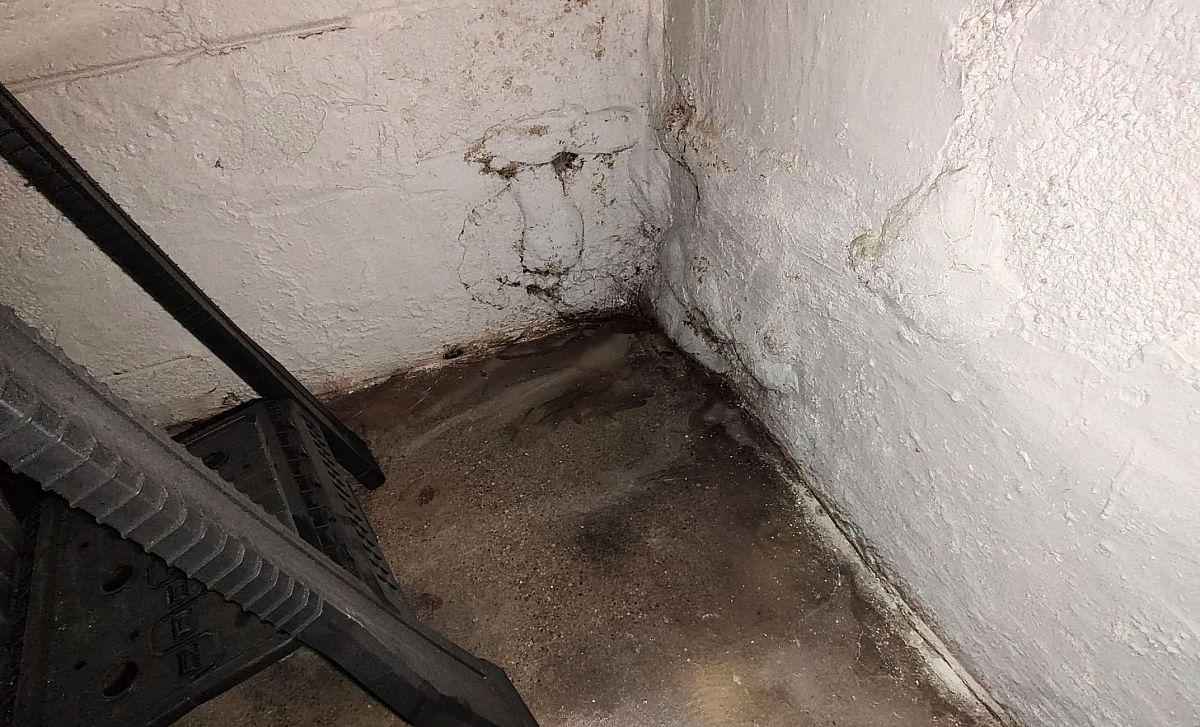
Why Basement Waterproofing Paint Bubbles and Peels
If your basement waterproofing paint is bubbling or peeling, learn why it happens and what it takes to stop basement water damage for good.
-
Finished Basement Leaking? Why You Should Waterproof Now
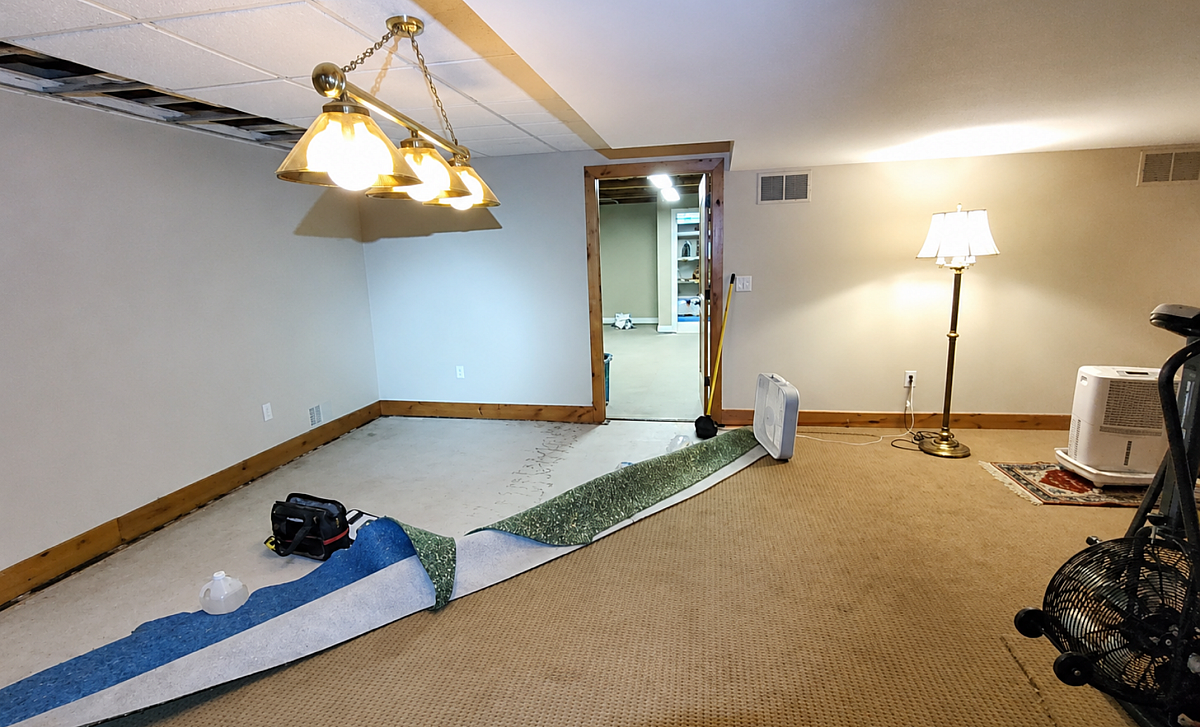
Finished Basement Leaking? Why You Should Waterproof Now
See how Ayers solved a leaking basement in Northville with a customized waterproofing system designed to stay dry.
-
What to Do After Your Basement Floods From Heavy Rain
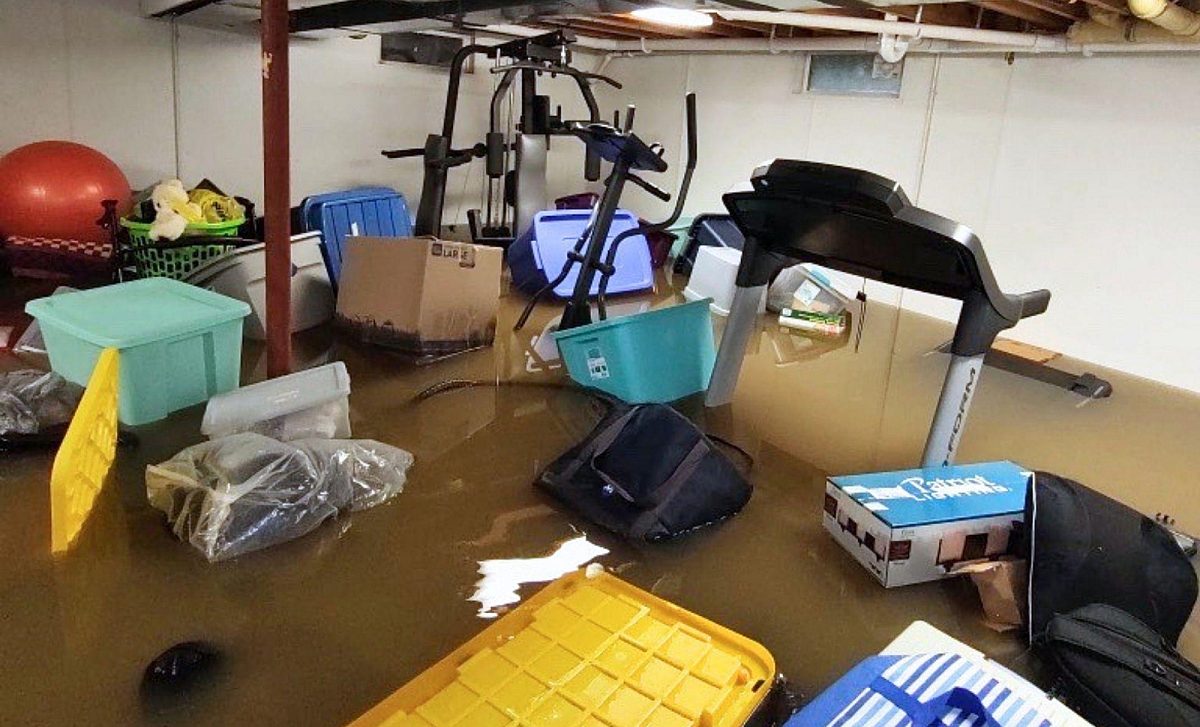
What to Do After Your Basement Floods From Heavy Rain
Basement flooded after heavy rain? Learn what to do next and how to prevent future water damage with the right solution.


