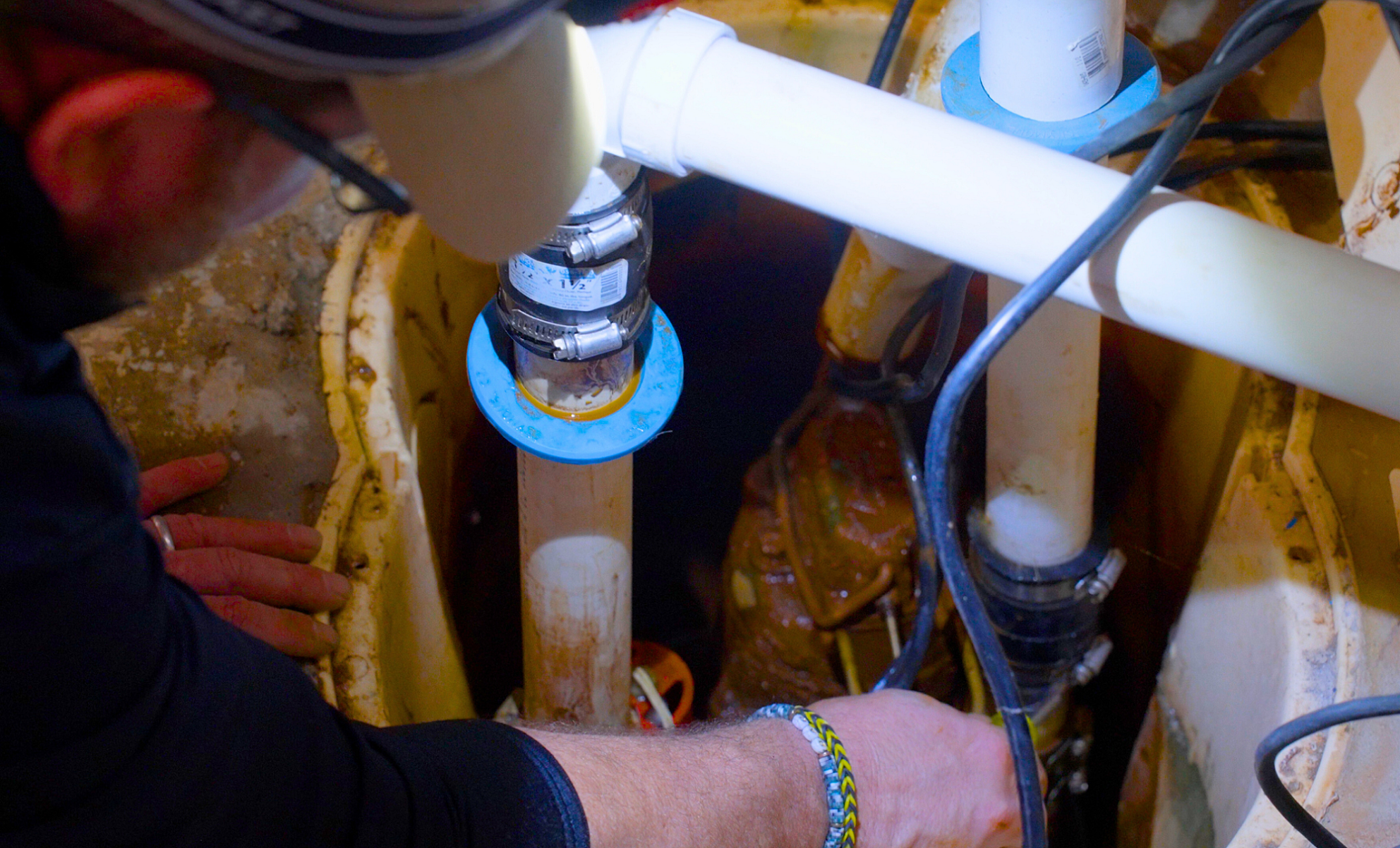
Iron Ochre in Your Basement? What It Is and How Ayers Can Help
Iron ochre clogging your waterproofing system? Our experts clean, protect, and maintain your basement so it stays dry, healthy, and reliable year-round.
When it comes to protecting your basement from water, it's not just about having the right systems, it's also about knowing what can compromise them. One of the most frustrating issues homeowners in Michigan and Northern Indiana face is a slimy, red-orange substance called iron ochre. It looks like rust, smells metallic or musty, and can wreak havoc on your waterproofing system if not properly addressed.
What Is Iron Ochre?
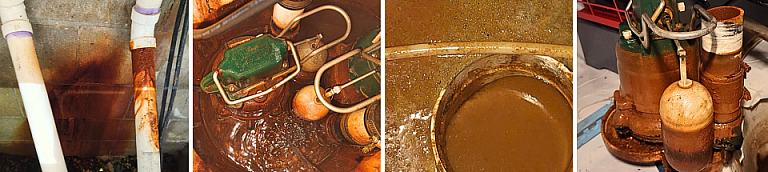
Iron ochre is a thick sludge formed by a combination of iron, oxygen, water, and certain naturally occurring bacteria. While it’s not usually dangerous to people, it is dangerous to your home’s waterproofing system. It thrives in moist environments, especially where iron-rich soil is common, making many areas we serve especially prone to it. Iron ochre is often mistaken for rust or clay, but it feels sticky or gelatinous and may appear in your sump pump basin, drain lines, or even along your basement walls.
Is Iron Ochre Harmful?
To people? Not really. But to your basement system? Absolutely. Iron ochre is known for clogging drainage systems, coating sump pumps, and restricting water flow through your waterproofing system. Left unchecked, it can cause premature system failure, basement flooding, and expensive repairs. It’s like cholesterol for your basement if it builds up, your system can’t function.
Systems That Can Be Affected by Iron Ochre
If you have iron ochre, it can impact your basement waterproofing system. Here are a few common issues you may notice:
- Drainage System: Iron ochre buildup can block interior drainage systems, restricting water flow and reducing their effectiveness.
- Sump Pump: Iron ochre can coat sump pumps and float switches, potentially causing mechanical problems or pump failure.
- Discharge lines: If ochre clogs the discharge line, water can back up into the basement.
- Outlets: Exterior discharge outlets can become blocked, reducing system performance.
Where Does It Come From?
Iron ochre forms naturally in environments with water, oxygen, and iron-rich soil, common conditions in the Michigan and Indiana regions. The bacteria that contribute to its formation feed on the iron in the soil and leave behind this reddish-orange residue. If you've seen it once, it’s likely to return unless proactive steps are taken.
How Ayers Treats and Prevents Iron Ochre
There’s no single cure that "kills" or dissolves iron ochre for good. But that doesn’t mean you’re stuck with it. At Ayers, we approach iron ochre proactively with customized solutions and ongoing care.
- Tailored System Design: During your inspection, we’ll determine whether iron ochre is present or likely and recommend systems designed to resist buildup.
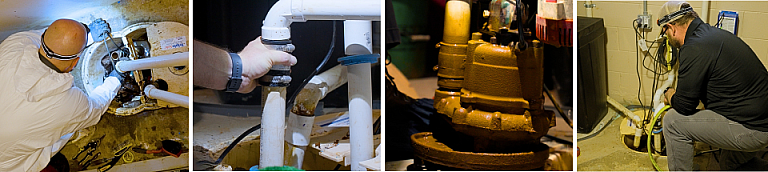
- Routine Maintenance: Just like a car needs regular oil changes, your basement systems need regular cleanings, especially if iron ochre is involved.
- AyersCare Club: An annual membership with AyersCare for routine maintenance with options for biannual or even more frequent service depending on severity.
- Cleaning and Flushing: We flush the drain lines and clean out sump pumps to remove any buildup before it causes a problem.
- Advanced Monitoring: We can install monitoring equipment or perform more frequent service visits for homes with persistent issues.
Can You Prevent Iron Ochre Completely?
You can’t change the soil beneath your home, but you can manage how your systems respond to it. The key is regular maintenance and early intervention. Without maintenance, even the best waterproofing systems can fail when iron ochre is present. With Ayers on your side, you’ll get a plan that adapts to your home’s unique conditions and keeps your basement protected year after year.
Iron Ochre
Frequently Asked Questions
-
Iron ochre typically appears as a reddish-orange, slimy, or gelatinous substance. You may notice it inside your sump pump basin, along drainage lines, or near discharge outlets. Unlike ordinary rust stains, iron ochre often has a thick, sticky texture.
-
Yes. Iron ochre can accumulate inside sump pump basins and coat pump components, including float switches. Over time, this buildup can interfere with normal operation and increase the risk of drainage problems or pump failure.
-
The cleaning schedule depends on how quickly iron ochre accumulates and the design of your waterproofing system. Some homes may need more frequent maintenance than others. Regular inspections can help determine an appropriate cleaning schedule.
-
Iron ochre typically doesn't disappear permanently without intervention. Because the conditions that allow it to form may remain present around your foundation, buildup can return even after cleaning. Ongoing maintenance is often necessary.
-
No. Although both can create reddish-orange discoloration, iron ochre is associated with iron oxidation and bacterial activity in wet environments. It often forms a slimy residue, while ordinary rust generally appears as staining or corrosion on metal surfaces.
Concerned About Iron Ochre in Your Basement?
If you've noticed rust-colored sludge in your sump pump or unusual odors in your basement, iron ochre could be the cause. Ayers Basement Systems can help identify potential buildup, recommend appropriate waterproofing solutions, and develop a maintenance plan for your home.
Get a free estimate to learn how we can help protect your basement waterproofing system.