
The Stages of Wall Failure: What Happens When a Basement Wall Starts Bowing
A bowing basement wall doesn’t fix itself. Learn the stages of wall failure and why early action matters.
If you have a bowing basement wall, it’s easy to assume you have time. After all, it may have taken decades for the wall to start leaning, so it feels logical that the problem will continue slowly. Unfortunately, that’s not how wall failure works.
As a basement wall begins to bow, it becomes weaker over time and less able to resist pressure from the soil outside your home. The process accelerates, much like a car picking up speed as it rolls downhill. Understanding the stages of wall failure can help you recognize when it’s time to take action.
Stage 1: A Crack Appears
The first sign of trouble is often a visible crack in the basement wall. You may notice it right away if it’s in a frequently used area, or you might stumble upon it later and wonder how long it’s been there.
This is the earliest and best stage to address the issue. Even if you’re unsure whether it’s serious, marking the ends of the crack can help you monitor any changes over time.
Stage 2: The Crack Expands
Most wall cracks don’t stay the same size. As pressure from the surrounding soil continues to push against the foundation, cracks typically grow longer, wider, or both.
Horizontal cracks may widen as the concrete begins to crumble, while stair-step cracks in block walls can branch off into new directions. At this stage, the problem is actively progressing and should be professionally evaluated.
Stage 3: The Wall Begins to Bow
If cracking goes unaddressed, the wall may begin to bow inward. This is often noticeable, whether the wall leans at the top or bulges toward the center.
Once bowing starts, it usually worsens more quickly. The combined pressure from the soil and the weight of the home becomes too much for the wall to handle. Pipes, wiring, or other fixtures attached to the wall may also be at risk of damage. This stage is often the last opportunity to stabilize the wall before major structural failure occurs.
Stage 4: Wall Collapse
In the most severe cases, the wall can partially or completely collapse. Homeowners often describe the sound as a loud bang or crash, followed by debris in the basement and a serious safety concern.
At this point, repairs become far more complex and costly. Emergency support is required to stabilize the home, and the wall must be rebuilt. This stage poses significant risks to both the structure of the house and the safety of those inside.
Why Early Action Matters
We’ve spoken with many homeowners who reached stage three, decided to wait, and later faced a wall collapse that doubled the repair cost. Bowing walls don’t improve with time, they only get worse.
No matter what stage your basement wall is in, there are stabilization options available. Get a free estimate today to understand what’s happening with your foundation and explore solutions that fit your home and budget.
-
How Winter Ground Pressure Causes Bowing Basement Walls
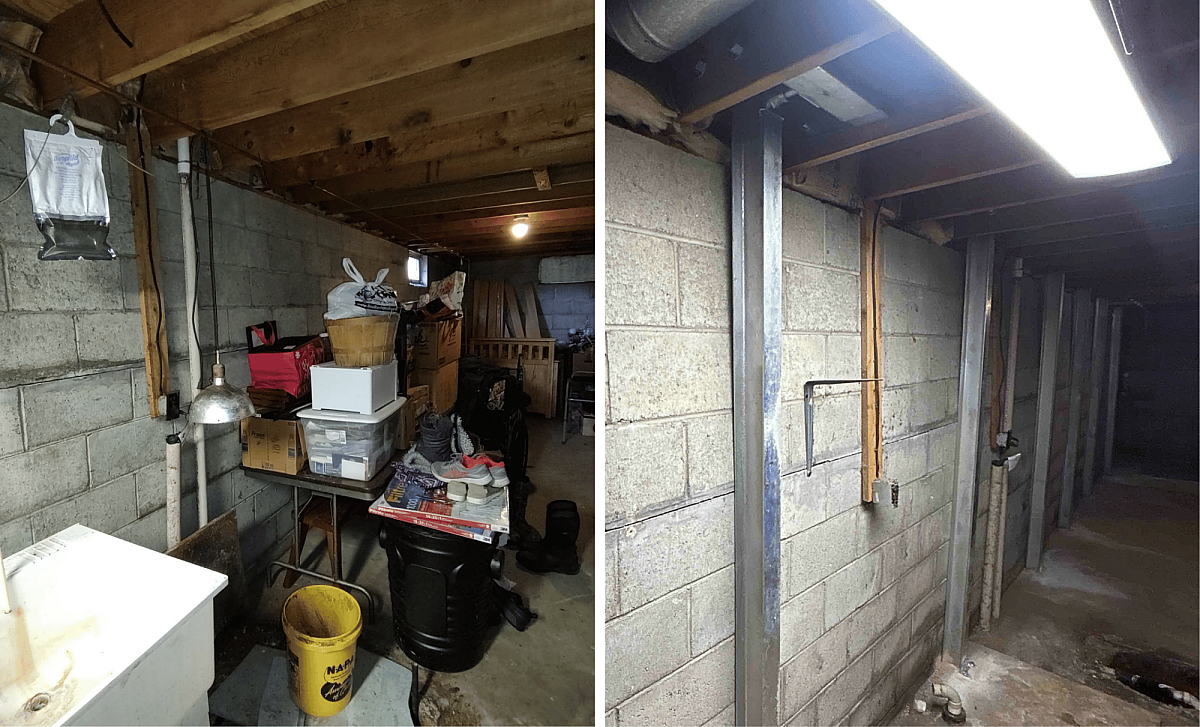
How Winter Ground Pressure Causes Bowing Basement Walls
Winter ground pressure can worsen bowing basement walls in Michigan and Indiana homes, leading to long-term structural damage.
-
Cinder Block Walls vs Poured Walls
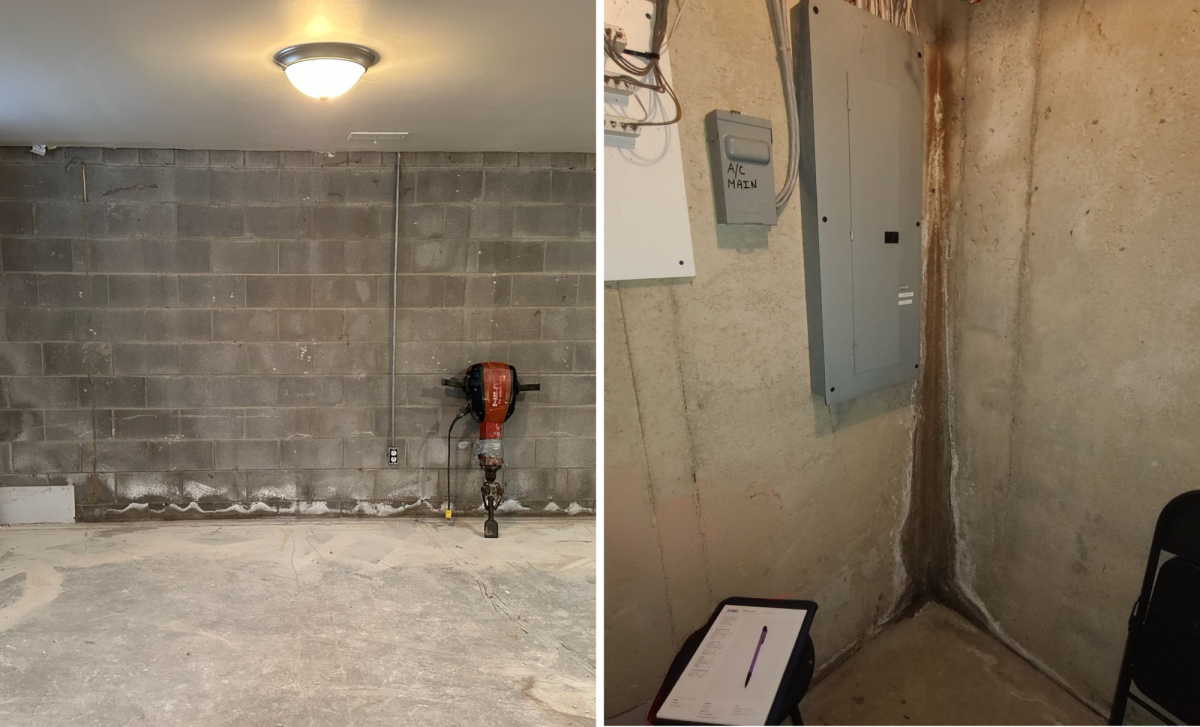
Cinder Block Walls vs Poured Walls
Compare cinder block versus poured concrete foundations, pros, cons, waterproofing, and repair solutions for homeowners.
-
Foundation Problem Warning Signs You Shouldn’t Ignore
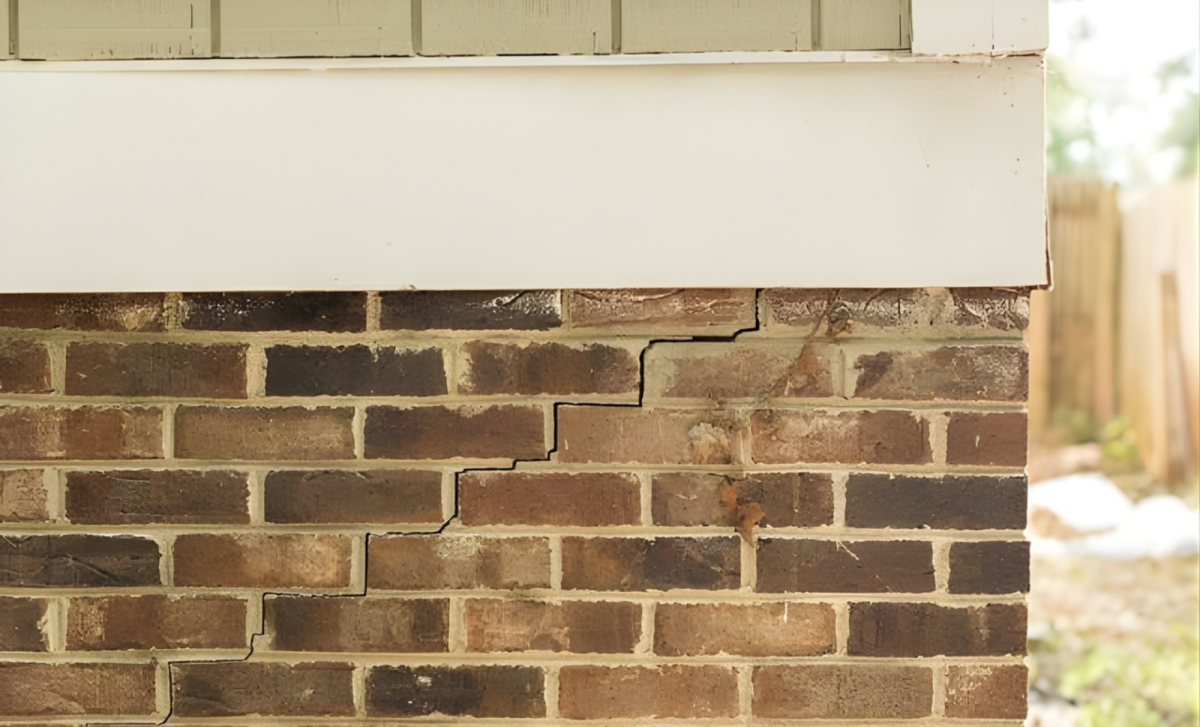
Foundation Problem Warning Signs You Shouldn’t Ignore
Foundation problems often show subtle warning signs that homeowners should recognize early to prevent costly repairs.


