

Spring Rain Causing Basement Flooding? Here’s Why It Happens
Spring rain is overwhelming basements. Learn what causes flooding and how waterproofing systems protect your home from water damage.
Spring rain can quickly turn into a major problem for homeowners, especially when it leads to water in the basement. After several days of steady rain, the ground becomes saturated, and that water has nowhere to go except toward or into your home.
You may notice:
- Water along the basement walls
- Damp carpet or flooring
- Puddles forming near floor joints
- Dehumidifier or sump pump running constantly
- Musty smells or increased humidity
Understanding what causes basement flooding is the first step toward preventing it.
Helping a Homeowner in Novi, MI Stop Basement Flooding
After a stretch of heavy spring rain, a homeowner in Novi, MI, near Walled Lake and Lakeshore Park, began noticing water along the edge of their basement floor.
What started as minor dampness quickly turned into visible pooling after each storm. With a finished basement, the homeowner was concerned about damage to the flooring and belongings.
With limited drainage space in the neighborhood, water was collecting around the foundation, increasing pressure on the basement walls.
We proposed a solution that included:
- An interior drainage system to capture water before it reached the floor
- A battery backup sump pump to remove water safely away from the home
- A dehumidifier that could take away the moisture in the air
With the full waterproofing system in place, this Novi homeowner now has a dry basement and peace of mind during the next spring rain.
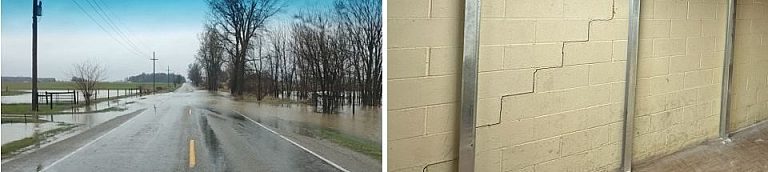
How Spring Rain Leads to Basement Flooding
When the soil around your home becomes saturated, it creates pressure against your foundation.
This is called hydrostatic pressure.
As water builds up in the ground, it pushes against your basement walls and floor. Over time, that pressure forces water through even the smallest openings, including:
- Hairline foundation cracks
- Mortar joints in block walls
- The joint where the wall meets the floor
- Porous concrete surfaces
In areas with clay soil, like much of Southeast Michigan, this problem is even more severe. Clay holds water longer, meaning pressure stays elevated well after the rain stops.
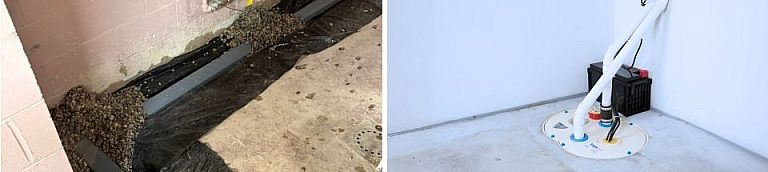
What About Crawl Space Flooding?
Some homes also have crawl spaces that can experience similar issues after heavy rain.
Common problems include:
- Standing water
- High humidity
- Rotting support beams
- Mold or musty odors
Crawl space waterproofing solutions, like drainage systems, vapor barriers, and dehumidifiers, help keep these areas dry and protect your home.
Protect Your Home This Spring
If your basement flooded after recent rain, it is a sign that pressure is building around your foundation.
Without a proper system, the problem will likely return.
A professionally installed waterproofing system can:
- Prevent recurring flooding
- Protect your foundation
- Reduce moisture and mold risks
Schedule your free estimate with Ayers Basement Systems and get a solution designed to keep your home dry year-round.
-
Why Heavy Rain Can Lead to Basement Water Problems
Why Heavy Rain Can Lead to Basement Water Problems
Heavy rain can overwhelm foundations. Learn why basements leak and how a waterproofing system protects homes from flooding and moisture issues.…
-
Wet Basement After Rain? The Real Reasons Your Water Problems Don’t Disappear
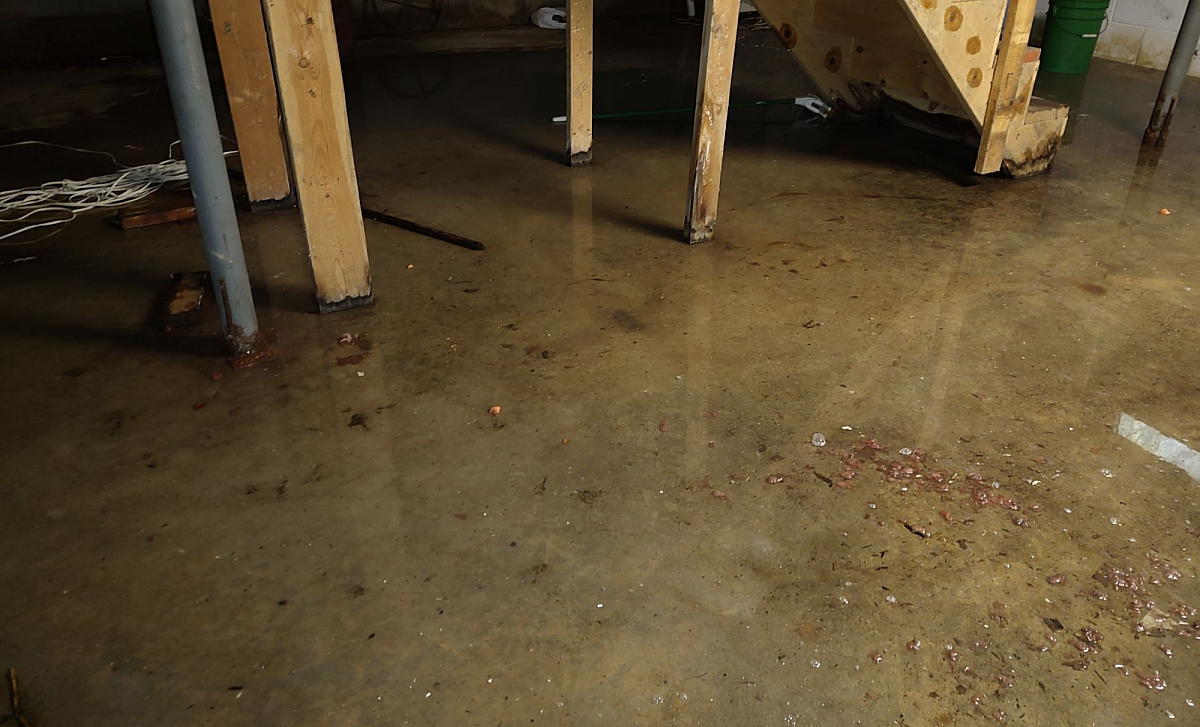
Wet Basement After Rain? The Real Reasons Your Water Problems Don’t Disappear
Even when the rain stops, lingering soil saturation and hidden drainage issues can leave your basement vulnerable, learn why dry spells don’t always mean dry ba…
-
Why Is My Basement Getting Water After Snow Melt and Heavy Rain?
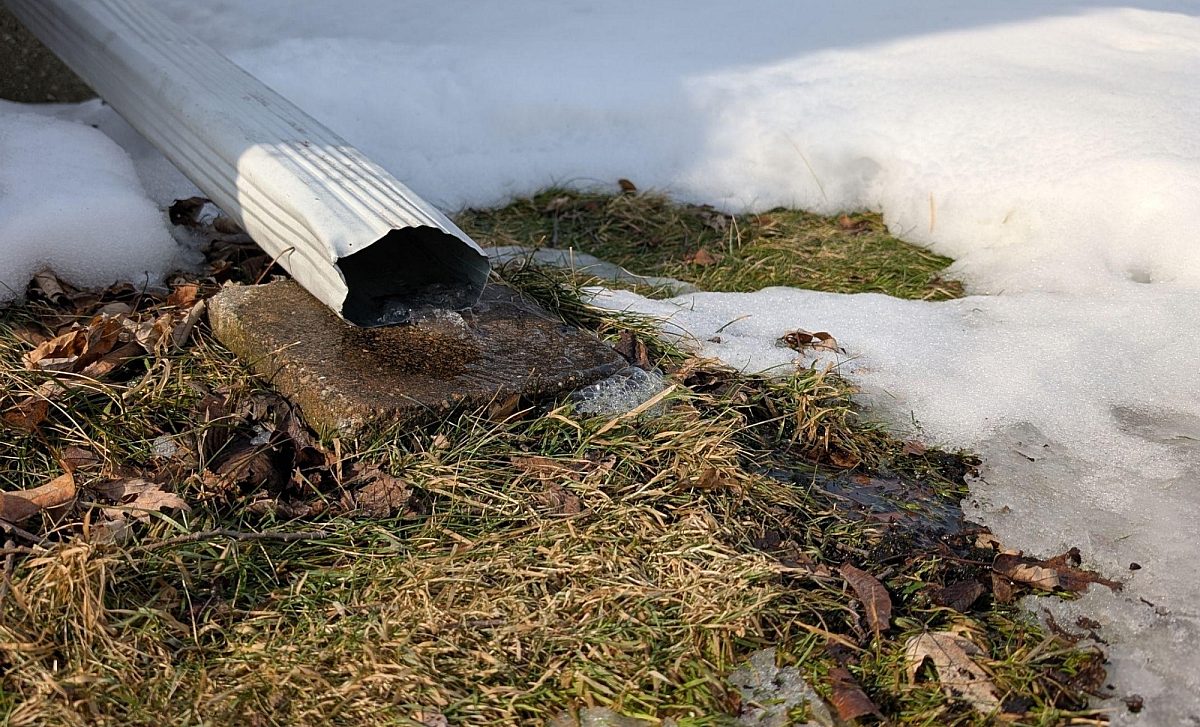
Why Is My Basement Getting Water After Snow Melt and Heavy Rain?
Basement flooding after snow melt? Learn why it happens and how to permanently fix it.


