

Why Is My Crawl Space Wet? What Every Michigan Homeowner Should Know
A wet crawl space can lead to mold, damaged insulation, wood rot, and poor indoor air quality. Learn what causes crawl space moisture and how to stop it for good.
Why Is My Crawl Space Wet?
Most homeowners never think about their crawl space until there's standing water, musty odors, or cold floors above.
Because crawl spaces sit below ground level, they're especially vulnerable to groundwater, humidity, and poor drainage. Over time, excess moisture can affect much more than the crawl space itself.
If left untreated, a wet crawl space can impact your home's structure, energy efficiency, and indoor air quality.
What Causes a Crawl Space to Get Wet?
Several issues can allow water and moisture to build up beneath your home, including:
- Heavy rain and groundwater
- Poor drainage around the foundation
- Open crawl space vents
- High humidity
- Plumbing leaks
- Missing or damaged vapor barriers
In Michigan, spring snowmelt and seasonal rain often create the perfect conditions for crawl space moisture problems.

What a Crawl Space Inspection Can Reveal
Many crawl space problems aren't obvious from inside the home. That's why our specialists enter the crawl space and inspect the conditions firsthand.
During one particular Milford inspection, our specialist used a moisture meter to test the home's floor joists. The reading came back at 50% moisture content. Healthy structural wood typically has a moisture content well below 20%. When moisture levels remain above that threshold, the risk of mold growth, wood rot, and structural damage increases significantly.
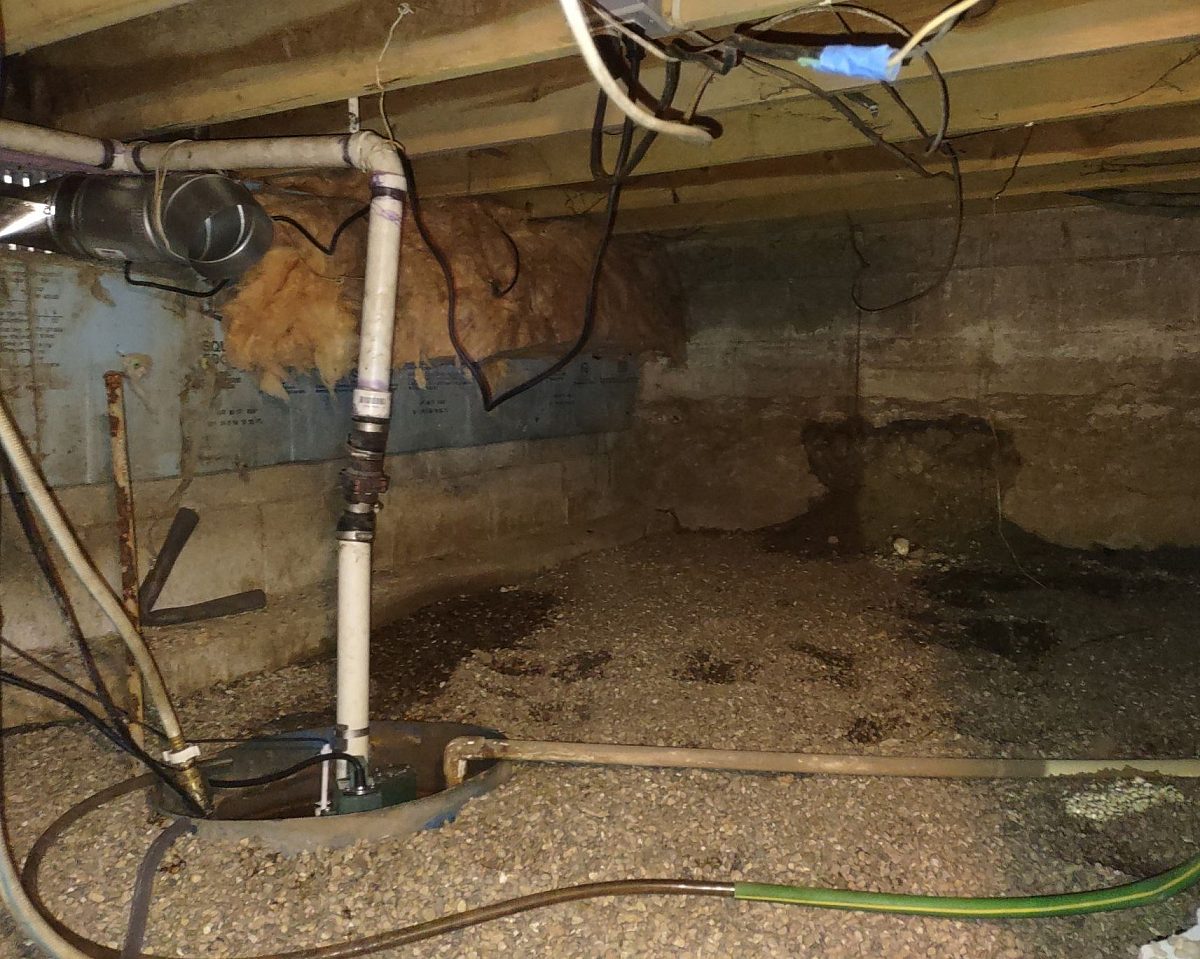
In addition to the elevated moisture reading, we found wet insulation that had begun to lose its effectiveness. This is exactly why a thorough crawl space inspection matters. What appears to be "just a little moisture" from the access door can actually be a much larger problem beneath your home.
Because a significant portion of the air inside your home naturally rises from the crawl space, excessive moisture below can also contribute to musty odors, increased humidity, and reduced indoor air quality throughout the rest of the house.
How Crawl Space Encapsulation Solves the Problem
Simply removing the water doesn't prevent it from coming back. A complete crawl space repair system addresses both the water and the moisture.
Depending on your home's needs, a permanent solution may include:
- Interior drainage to collect groundwater
- A sump pump to remove water
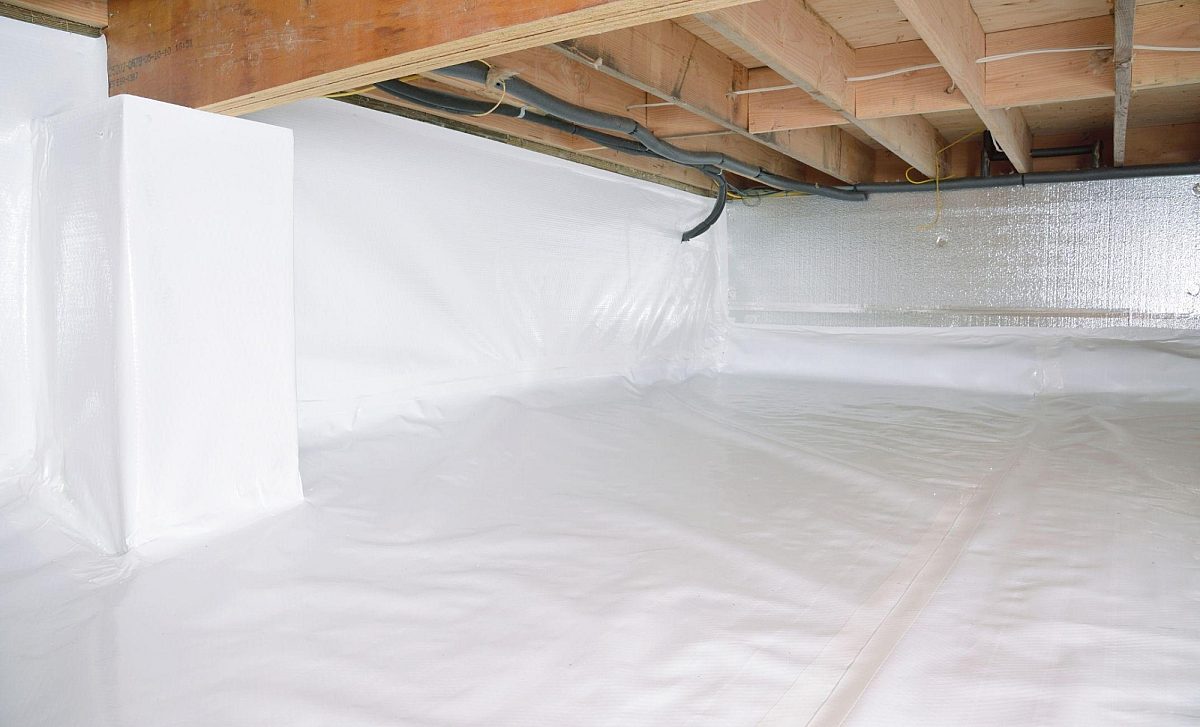
- A CleanSpace® vapor barrier to seal out moisture
- Spray foam insulation or rim joist insulation
- A crawl space dehumidifier to control humidity
Together, these systems create a cleaner, drier, healthier crawl space.

A Milford Homeowner Protected Their Crawl Space
When a Milford homeowner living near Kensington Metropark began noticing persistent moisture beneath the home, they wanted to solve the problem before it caused more serious damage. With so many lakes, wooded areas, and seasonal weather changes throughout the Milford area, keeping the crawl space dry was an important part of protecting the home for years to come.
After entering the crawl space, our specialist found elevated moisture levels, wet insulation, and conditions that could eventually impact the home's structure and indoor air quality. To permanently address the problem, our team installed a complete crawl space encapsulation system with drainage, a CleanSpace® vapor barrier, insulation, and a dehumidifier designed to keep the space dry year-round.
Today, the crawl space is clean, dry, and protected, giving the homeowner peace of mind that the moisture problem has been solved.
Get a Free Crawl Space Inspection
At Ayers Basement Systems, we've helped thousands of homeowners throughout Michigan and Northern Indiana transform wet crawl spaces into clean, dry, healthy spaces.
Our specialists don't just look through the crawl space access door. They enter the space, inspect the conditions firsthand, and recommend permanent solutions based on what they find.
Schedule your free estimate today and learn how crawl space encapsulation can protect your home.
Crawl space Repair
Frequently Asked Questions
-
Heavy rain, groundwater, humidity, poor drainage, and open crawl space vents are some of the most common causes of crawl space moisture.
-
Yes. Because air naturally rises through your home, moisture, mold spores, and musty odors from the crawl space can impact your indoor air quality.
-
Yes. Wet insulation loses its ability to insulate properly and can become a breeding ground for mold and mildew.
-
Crawl space encapsulation seals the area with a durable vapor barrier while often adding drainage, a sump pump, insulation, and a dehumidifier to keep the space dry year-round.
-
Signs include standing water, musty odors, wet insulation, mold growth, wood rot, high humidity inside the home, or elevated moisture readings during a professional crawl space inspection.
-
Musty or Wet Crawl Space? How Crawl Space Health Impacts Your Health

Musty or Wet Crawl Space? How Crawl Space Health Impacts Your Health
Moisture and mold in your crawl space can impact your family’s air quality. Protect your home from the ground up with proper encapsulation.
-
Solutions for Crawl Space and Basement Water Intrusion
Solutions for Crawl Space and Basement Water Intrusion
Water problems in your basement or crawl space rarely start as emergencies; they’ve almost always been there. However, most homeowners wait until the issue gets…
-
How Do I Insulate My Crawl Space the Right Way?
How Do I Insulate My Crawl Space the Right Way?
Cold floors often start in the crawl space. Learn the right way to insulate and keep your home warmer year-round.


